Vast Africa
I promise we will have an exciting, emotional, adventurous, and inquisitive journey through memories and current events – with the expectation of a continuation.
If Asia was my earliest, not fully realized childhood and a hazy memory, then Africa is my lifelong experience. My start amid the savannas, getting to know the jungle, the adventure and the test with climate, diseases, and challenges. To preserve yourself, to protect yourself, to survive.
Have you read the adventure novel by Henryk Sienkiewicz „Stas and Nelli“ with the subtitle „Through African Deserts and Forests“? The original name is „In Desert and Wilderness“ (W pustyni i w puszczy). If you haven't: make sure to plan and carry it out.
It's worth it.
Although written more than a century ago—in 1911, with its first edition published in 1912—the novel is a vibrant and captivating tale about Africa and the adventures of two children: 8-year-old Nellie, an English girl, and her 14-year-old Polish friend Staś. The book is very similar to my own experiences, albeit in 1968–1971. Still in the last century...
And what lies ahead? Lifting the curtain
In Africa we will cross the Sahara Desert, peek into the secrets of Ethiopia, visit the Serengeti, and see what happens at Victoria Falls. Why not in South Africa as well?
Besides being bright, colorful, beautiful, and unique, this is also a land of misery, internal strife, civil wars, and unrest. Have you ever seen people sick with leprosy? Or children's bellies bloated from hunger?
For diseases, lack of water, and nutrition.
With contrast: unique nature, a continent full of untold riches, one of which are the people. Yes, these wonderful people who love to sing, dance, and have fun.
Mali – My African Childhood
My childhood was spent in Mali. It is a unique country, perhaps one of the poorest now, and even then. But there are Timbuktu and the vast, full-flowing Niger River.
I know well and have visited many of the neighboring countries. And that is why today it hurts me to watch as extreme fundamentalism „shoots point-blank“ at the unique clay structures from the time of the Mali Empire and the cultural flourishing of Timbuktu.
And this is a time when Mali was not synonymous with poverty. During the reign of Mansa Musa in the 14th century, the empire was among the wealthiest states in West Africa, and Timbuktu became a major center of trade, knowledge, and Islamic culture. And it is no coincidence that to this day the name of Mansa Musa is associated with wealth, but also with books, scholars, and construction.
There is a movie: „"Timbuktu"“. Highly recommend it.
„Timbuktu – When Art is Under Fire
An auteur film by the director of Mauritanian-Malian origin Abderrahmane Sissako, with international nominations and awards. The 2014 film received an Academy Award nomination for Best Foreign Language Film, participated in the Cannes competition program, and won a number of awards, including seven César Awards—among them for Best Film and Best Director.
„Timbuktu begins terrifyingly: with the destruction of African art and the fundamentalists“ violence against cultural memory.
But the film is not only about destruction. Quite the contrary—its power lies in the evocative, „tranquil,“ gentle scenes of everyday life. In the bans on listening to music, playing football, smoking, speaking freely. In the people's gazes. In their attempt to preserve their normality and dignity when someone from the outside dictates how they should live.
This makes the bar even more painful. Because when you destroy monuments, books, music, and art, you are not just destroying stone or clay. You are trying to destroy the memory of a people.
Africa is a land of extremes
In Africa is the finest sand, which burns during the day and cuts like ice at night.
There is the highest and bluest sky, the clearest horizon. Vast, untamed, and distant.
The blackest, like anthracite, basalt rocks against which the waters of large rivers crash.
The most interesting animals. Sounds, smells. The yellow savanna. The green-layered tropical jungle…
And all of this will be told and shown to us in photographs by talented and passionate traveler-photographers who will share their personal experiences.
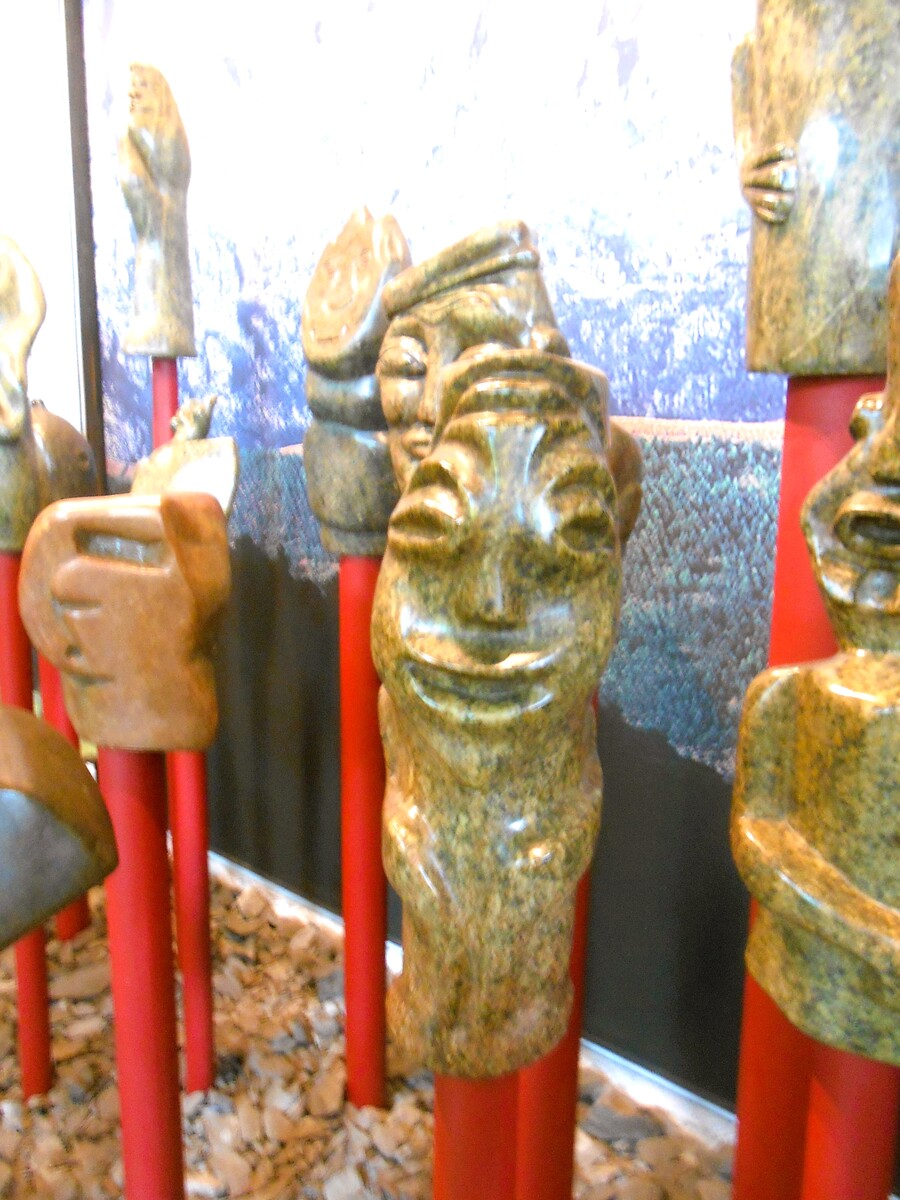
African Art – Another Way to the Continent
So, let's discover Africa together?!
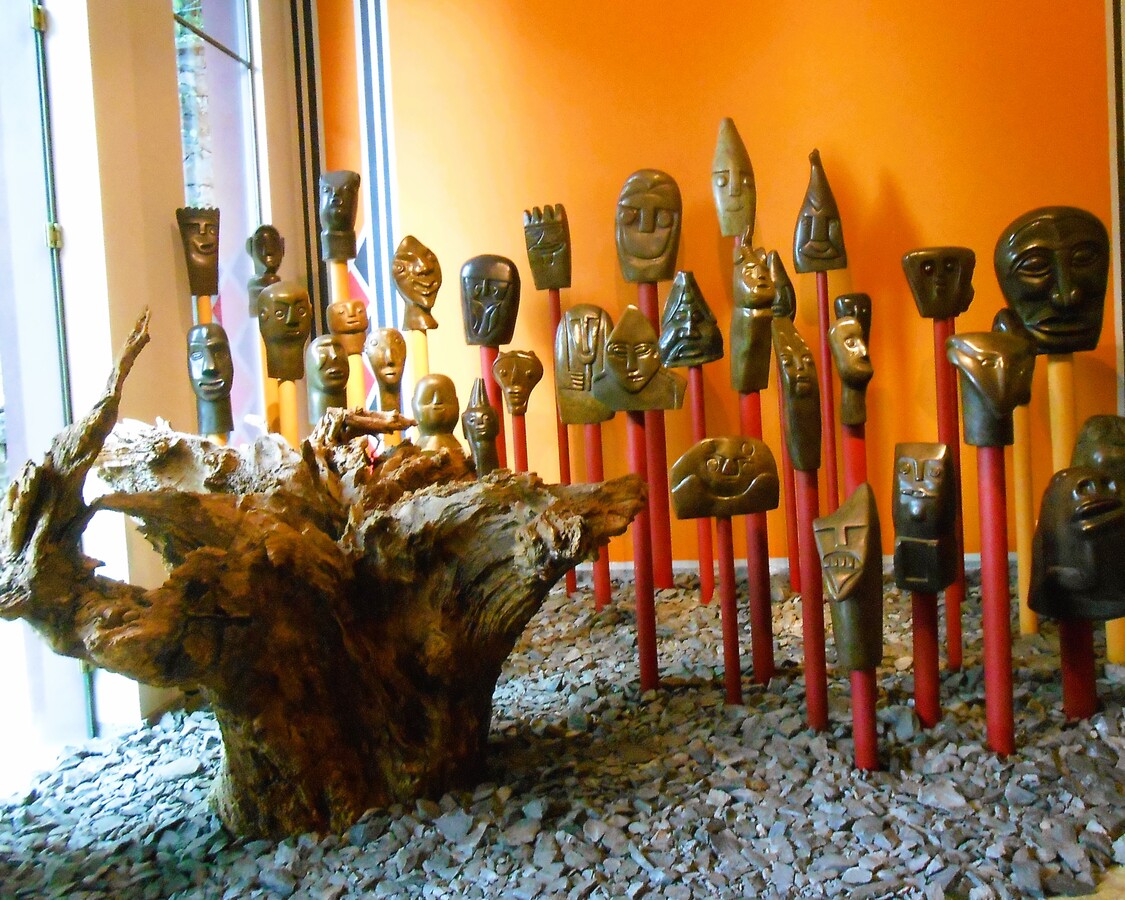
To provoke your curiosity, I have uploaded photos of African art from Madeira, from the private collection of the garden's creator. Such collections provoke: the objects are not souvenirs, but concentrated bearers of a different consciousness. You gaze at faces, figures, animals, and symbols that tell of cultures different from ours.
And from the African Museum in Washington.
We visited the Quai Branly Museum in Paris… If you happened to miss it, you can check it out here! Musée du quai Branly – „Where Creation Begins“
The exhibition is called „African Passion. Where can we take a peek – in Madeira, on the Island of Spring.
Shona: The Stone That Comes to Life
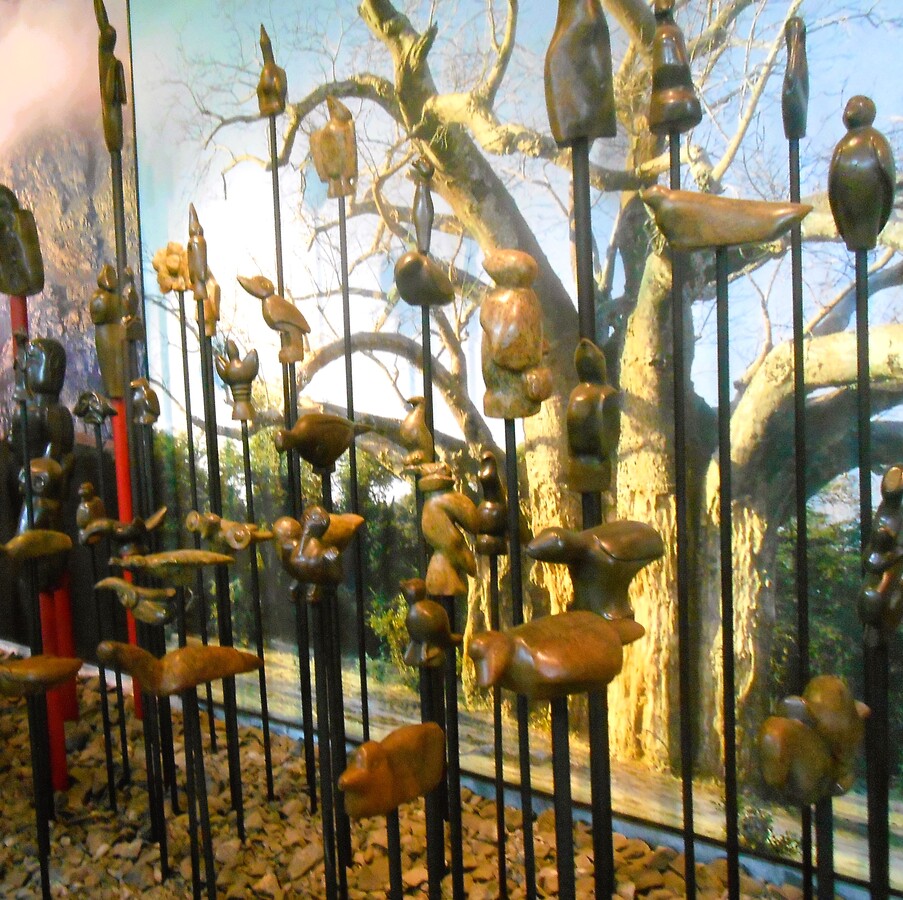
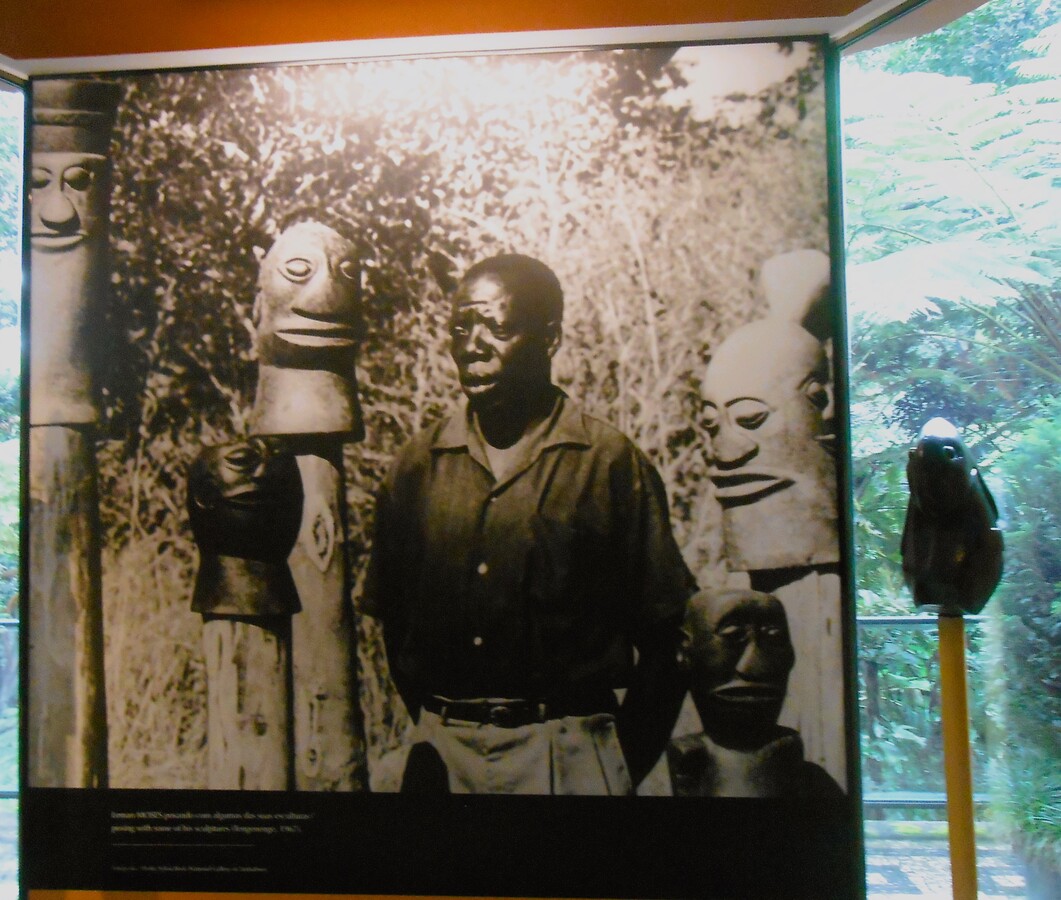
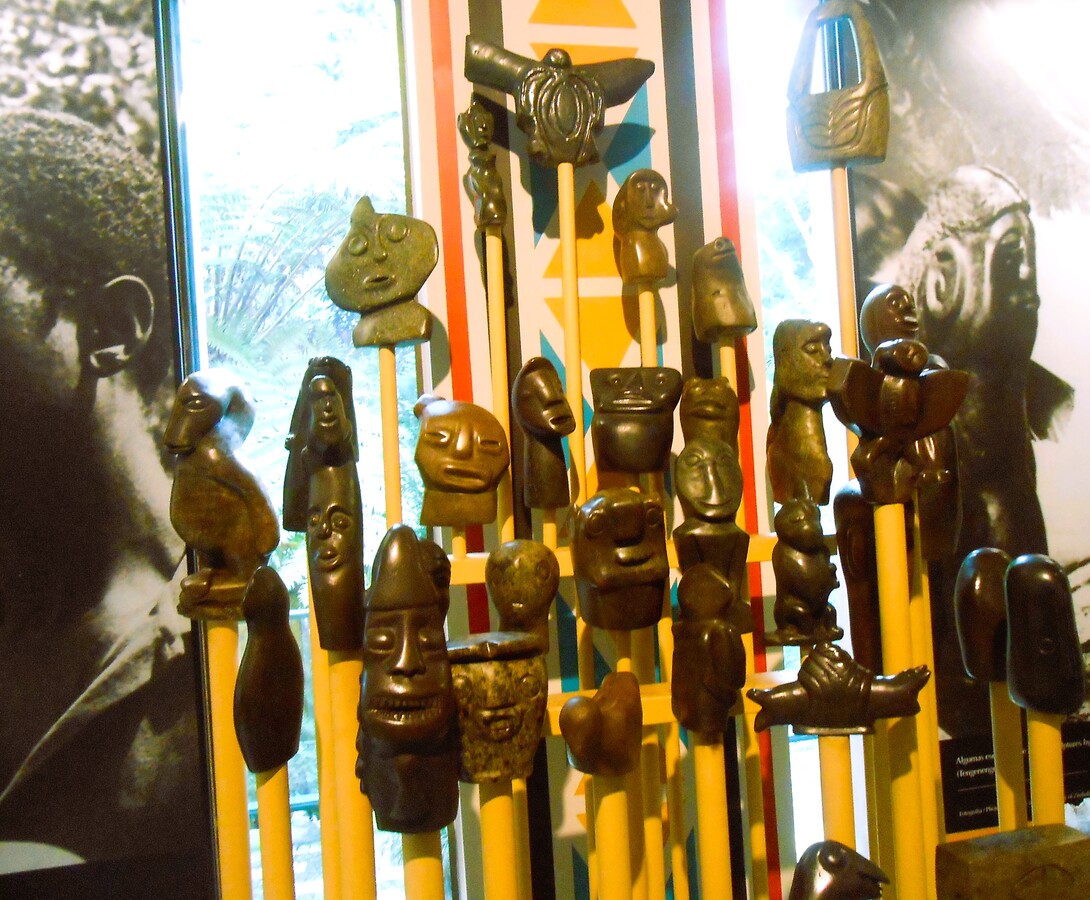
Sculptural exhibition from the island of eternal spring is from Zimbabwe, Tengenenge, by talented African artists – Bernard Matemera, Edronce Rukodzi, Edward Chiwawa, Fanizani Akuda – made of stone, starting from 1967 to the present day. The exposition is called „African Passion.
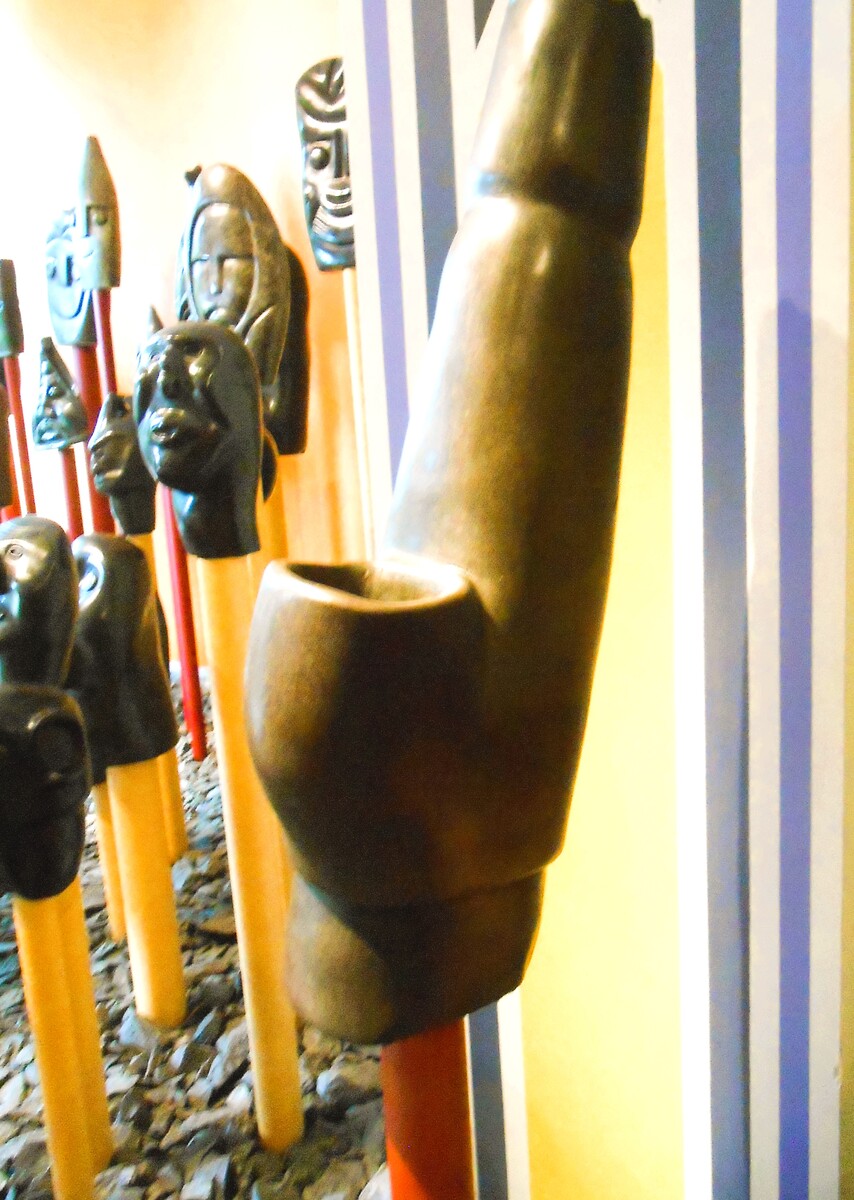
The unique, original Shona sculpture is typical of Zimbabwe. It is born from the contemporary artistic tradition of stone sculpture, which developed particularly strongly in the Tengenenge community. The artists work with local stone and often let the shape of the stone „suggest“ what will be born from it.
This is precisely one of Shona's most exciting qualities—the sculpture does not look like a form forced upon the stone, but rather as if it were extracted from it.
By the way, about thirty unique miniatures can also be found in Sofia, at „Kvadrat 500“! The National Gallery holds 31 works by Shona artists – a collection that allows one to trace the development of contemporary stone sculpture in Zimbabwe.
Several world museums also have Shona sculptures in their collections.
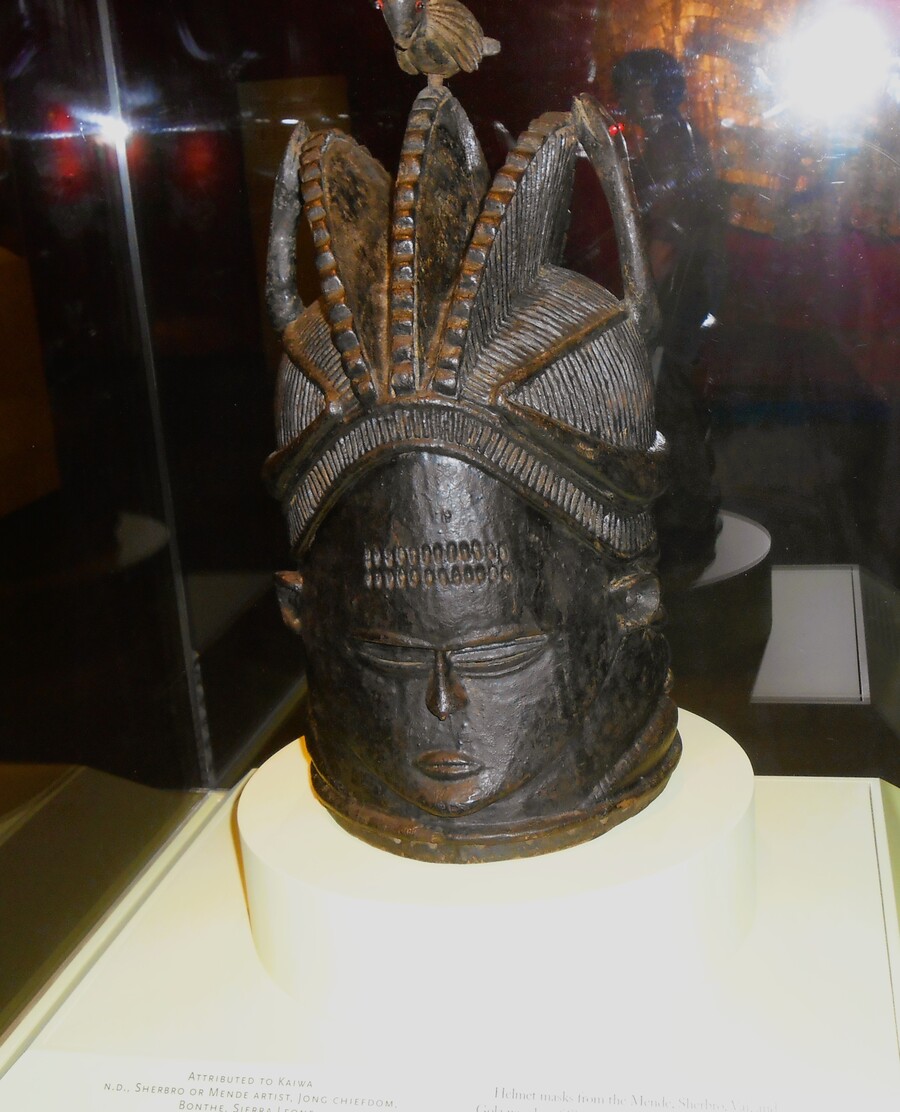
National Museum of African Art in Washington
I added some exhibits from the National Museum of African Art to Smithsonian Institution in Washington, D.C.
An imposing building housing more than 12,000 works of African art. The collection spans a vast period: from historical works to contemporary art, from various parts of the continent. The museum also features a rich photographic archive and a library.
But for me the most exciting thing is something else—the feeling that Africa here is not presented as a distant, exotic continent, but as a vast world of cultures, languages, beliefs, music, images, and human stories.
There is also a space where you can hear music and songs from different parts of the continent.
This is one of those museums where you can start with a mask, move on to a sculpture, and an hour later find yourself immersed in the history of an ethnic group.
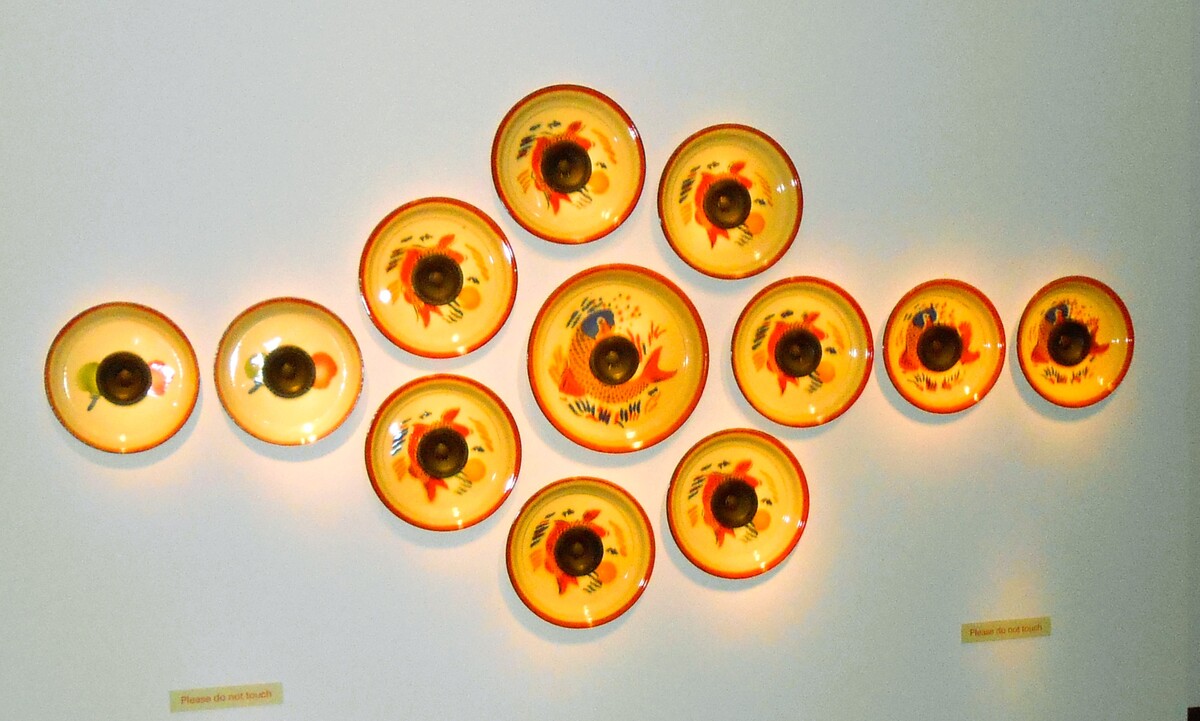
And this is just the beginning...
... I am hinting at our shared, upcoming, shared adventures.
I am sharing the first part of the column „Animals of Tanzania, Serengeti, and Ruaha National Park“ by Dora:
The photo shows a safari in Africa
More about the photographer-writer Dora
Here is a continuation of Dora's photo safari – part two.
Africa is coming!
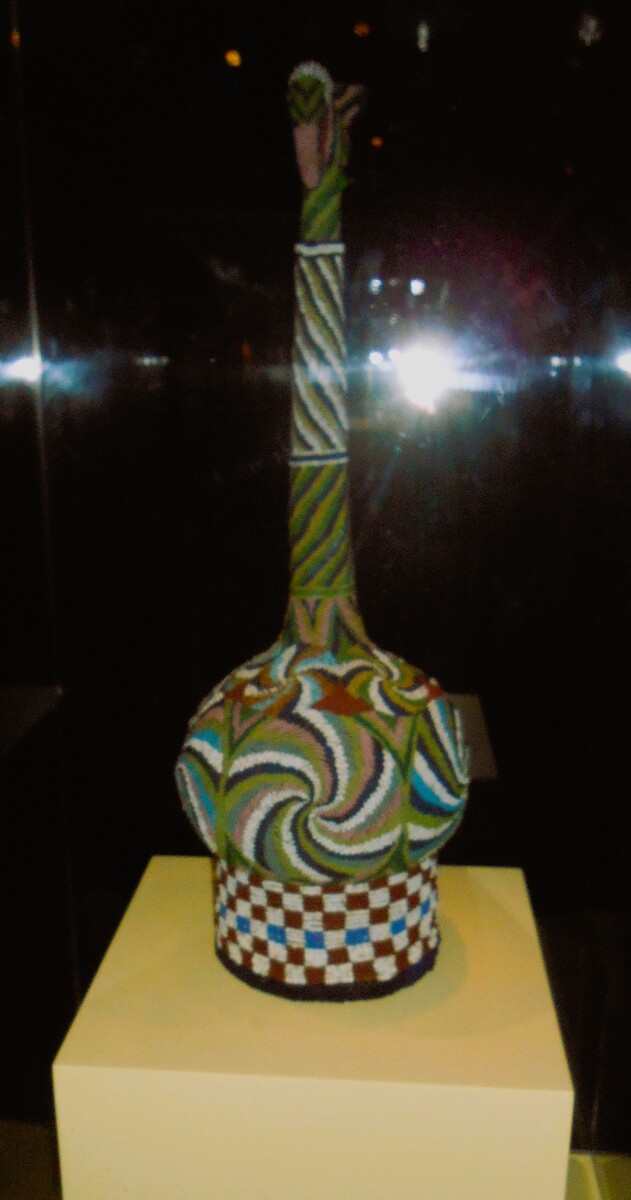
See more for the author Maria Radeva here