Following in the footsteps of Sumer, Akkad, Assyria, Babylon, Persia, Parthia, Rome…
First part
We share an extremely interesting and fascinating journey of Iskra Todorova.
A group of like-minded companions and comrades embark on a journey of adventure through southeastern Turkey, amidst ancient civilizations, historical cities, and places that preserve the traces of millennia.
They leave on October 24, 2020, and return on November 1.
You have a real road map with dates ahead of you.
October 24, 2020.
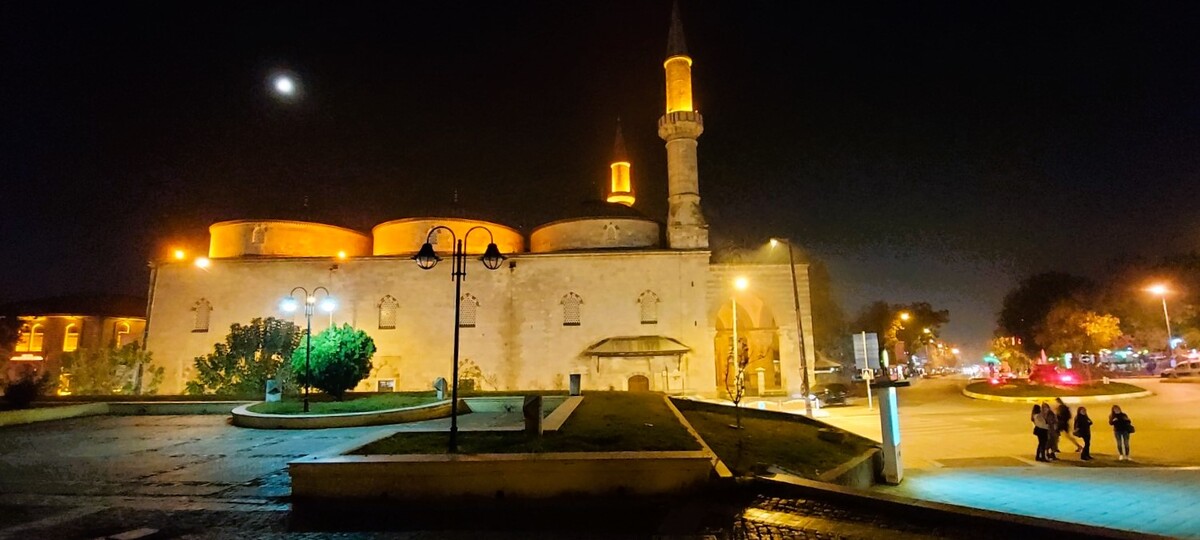
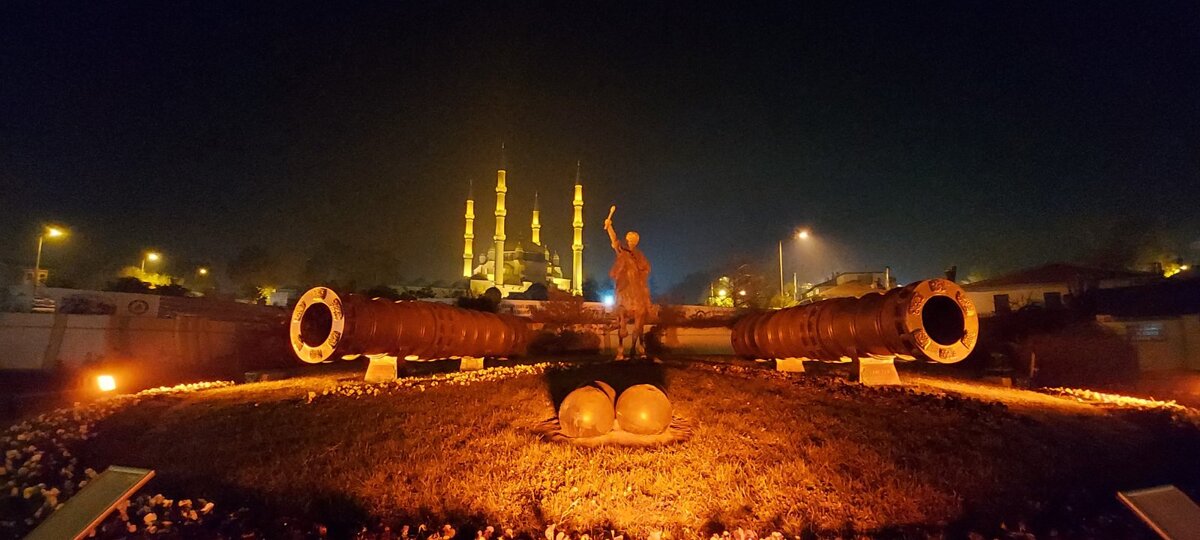
Nighttime Edirne
Our journey begins in Turkey.
After many failed travel plans this year, in the context of the global COVID-19 pandemic, we are heading to our southern neighbor wearing masks, with thermometers and a supply of medicines (just in case, and in the hope that if we have medicines, the disease won’t catch us).
We are traveling to southeastern Turkey, but we will arrive there tomorrow.
Today we are in Odren, It's only 20 km from Bulgaria. We've passed by the town many times, but only now am I staying for longer.
She is most famous the Selimiye mosque, the work of the famous Architect Mimar Sinan.
In the center of the city there are many mosques; the old buildings coexist with the new ones and are filled with people.
The Bulgarian language is heard often, and if you see a group of women in a bar, they are most likely fellow countrywomen. However, the neighbors know how to get you to sit in their establishment and make you feel uncomfortable.
With a compliment from the restaurant, with nice and cheap food and warm smiles. In a nutshell: you won't go hungry here.
You can buy a doner kebab for 5 Turkish liras, which at the current low rate of the lira makes 1 lev. This is just one example.
The food is cheap and very tasty. Probably that's why it's full of Bulgarians on Saturday nights.
However, I would like to emphasize that people are wearing masks and there are disinfectants everywhere.
I don't see any panic.
Life and the alush-verish are flowing on.
Tomorrow we continue south. We’ll see how it is there…🙂
October 25, 2020.
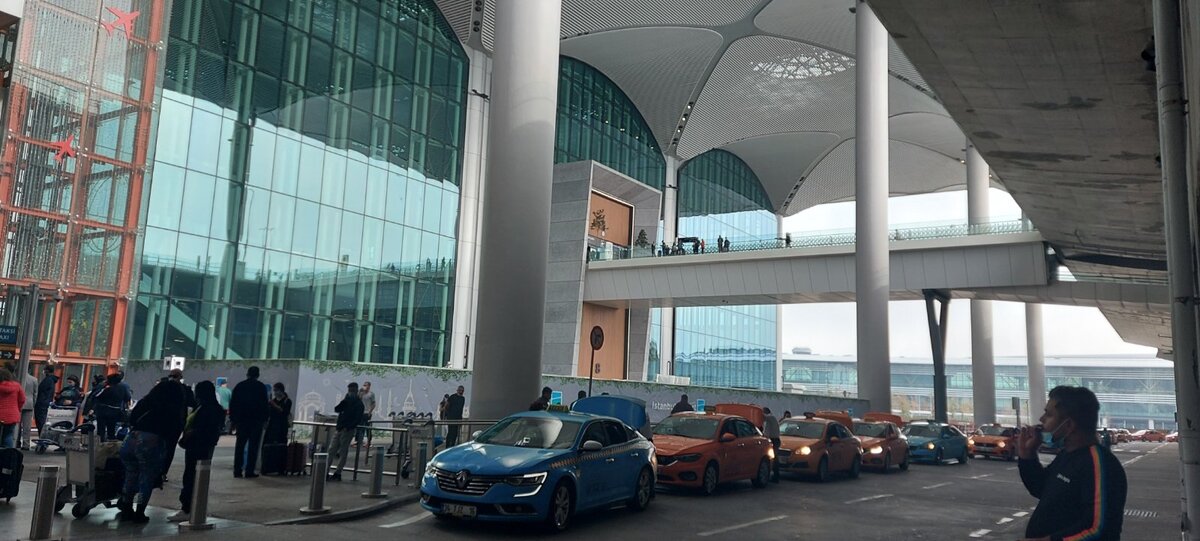
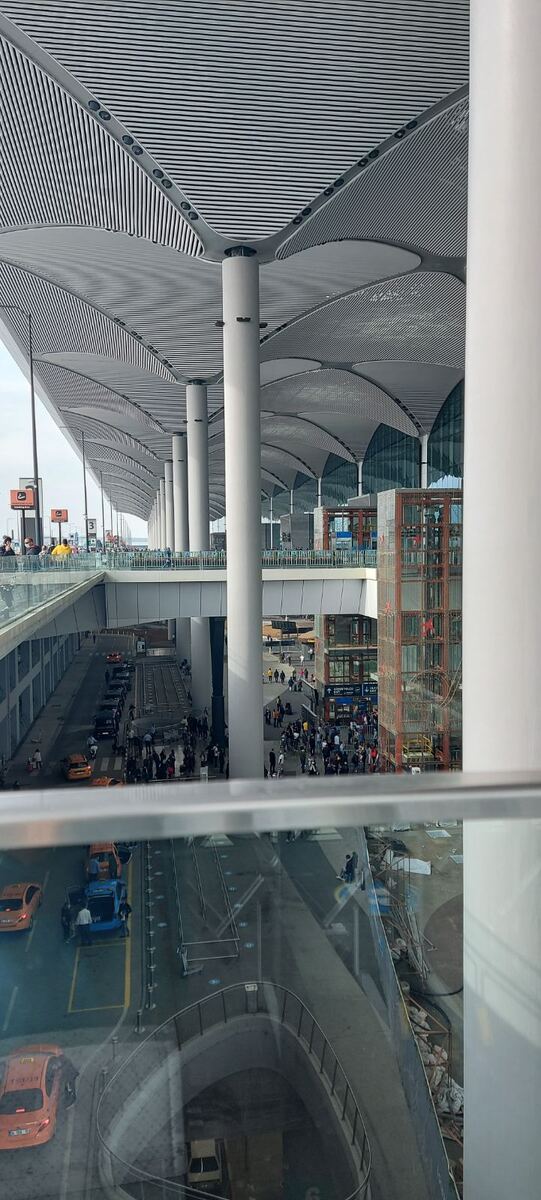
The third airport in Istanbul
Today we are flying from Istanbul to Mardin.
The road from Edirne to the new airport is a perfect four-lane highway with beautifully shaped spaces around it.
It takes about two hours by car. After the turnoff to the airport, there are huge signs that direct the flow of cars towards arrivals and departures.
There are inscriptions in English as well as pictograms. It is intended for everyone.
We are heading towards the parking lot. Illuminated signs show the number of available parking spaces in the sector. We park on the third (of 6) level. We head towards the airport entrance.
There is a payment point at the level. For 7 days the price is 240 TL, around 50 лв. We find the entrance for domestic flights. It is the first one.
Everyone is wearing masks, there are stickers indicating the distance to be maintained. Disinfectants are available in many places.
From the cars, huge billboards with information about the pandemic-related rules can be seen, as well as the care provided by the airport for passengers and luggage.
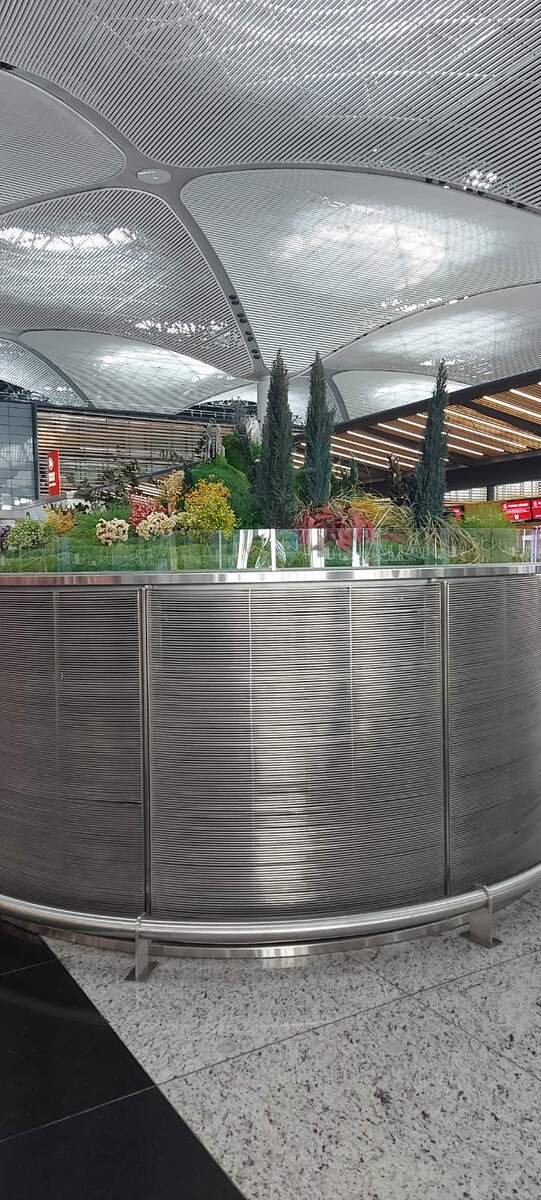
About a year ago I was here. At that time the airport was brand new. We flew in from Sofia and changed planes here. I remember walking huge distances from gate to gate and there was no one to ask. If we did meet a staff member, it was difficult to communicate in English with them.
Now the organization is much better. There are even small electric cars for moving to the gay bars.
The change is obvious and there is no doubt that the neighbors are striving to solve their problems, even in this absurd situation.
In Mardin
We land at the airport in Mardin with masks and a good mood.
To the north is the new, beautiful building of the airport, and to the south there is an endless plain.
We are located in Northern Mesopotamia.
Here we are greeted by Muksin – our guide, and the driver with the easy name Jack. They will help us for the next six days.
Muxin is a Kurd, he speaks very well, but also very fast English, and I can't always understand him. But the English-speaking group helps and everything is fine.
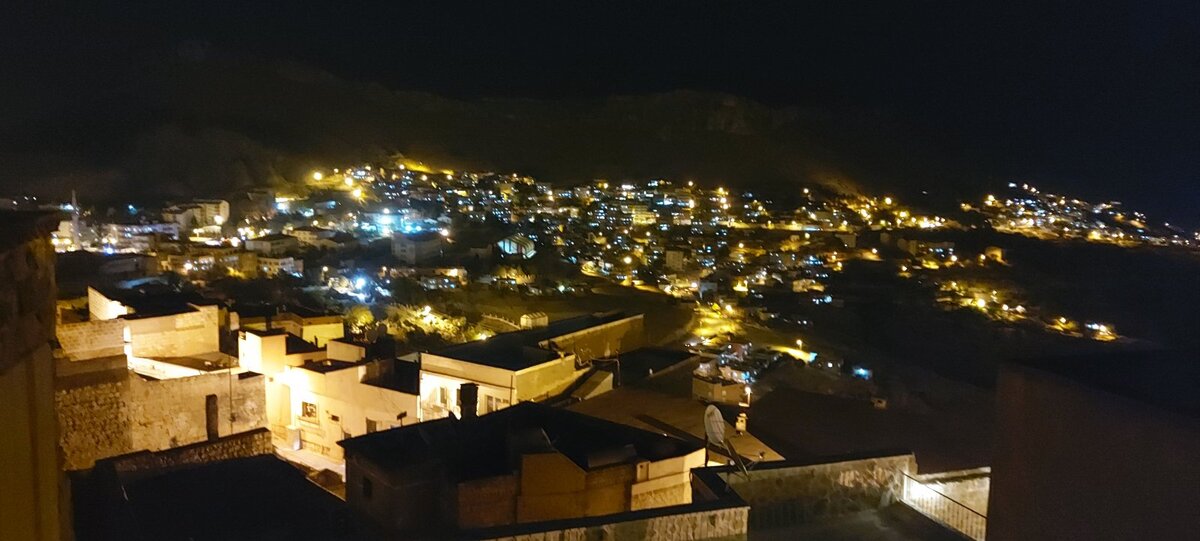
We head towards Mardin in the north and the landscape changes dramatically. Yellowish rocky plateaus with strange shapes emerge. The old Mardin is located on one of the plateaus.
The streets are narrow and one-way. The road to the hotel winds between the stone buildings and we gaze at the colorful storefronts of the shops. The streets are lively, and in the evening they are warm…
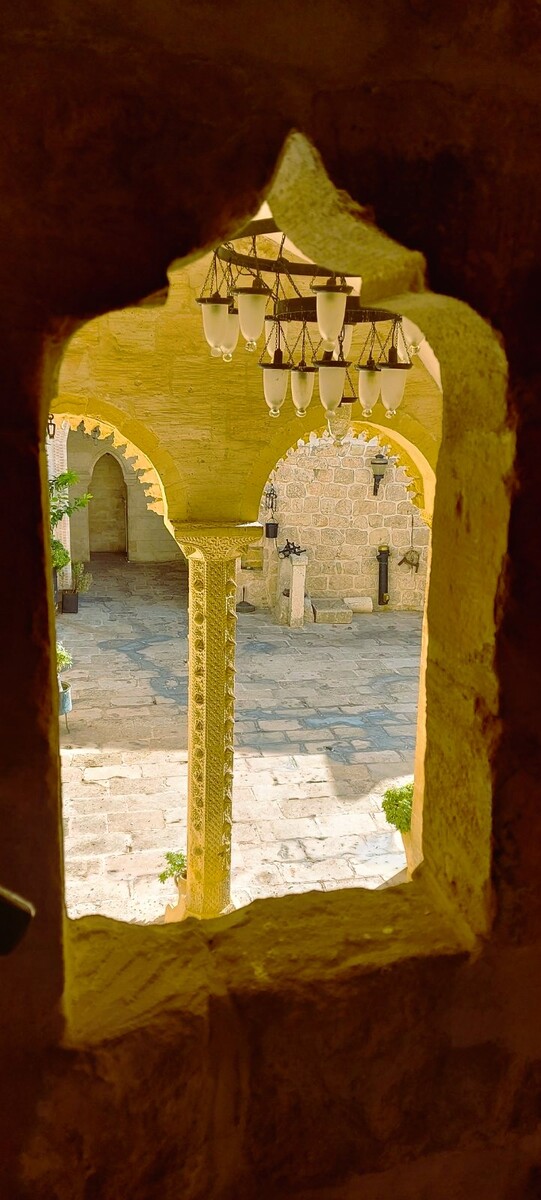
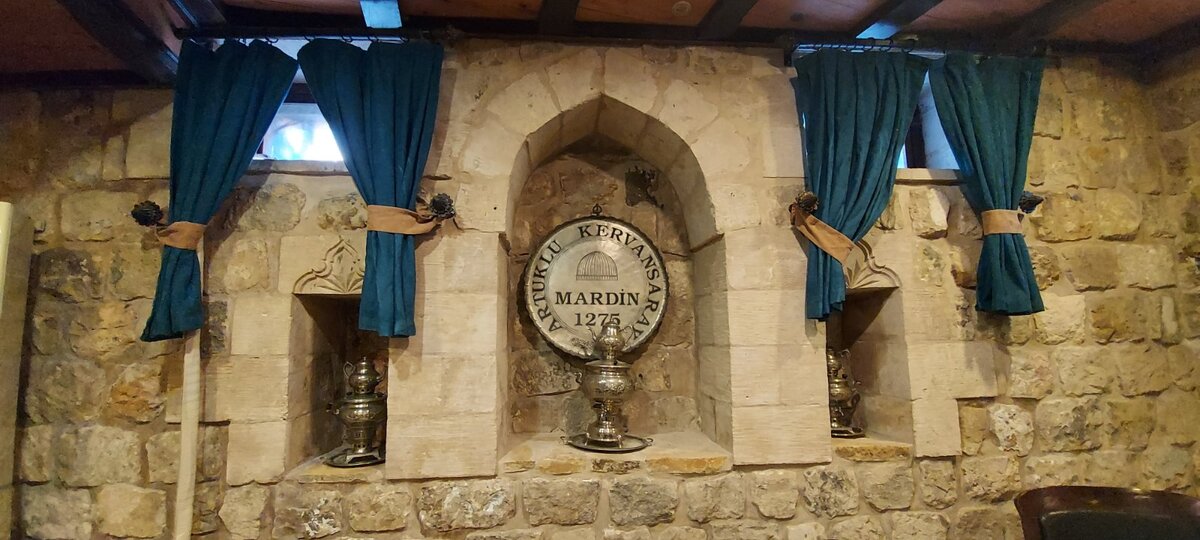
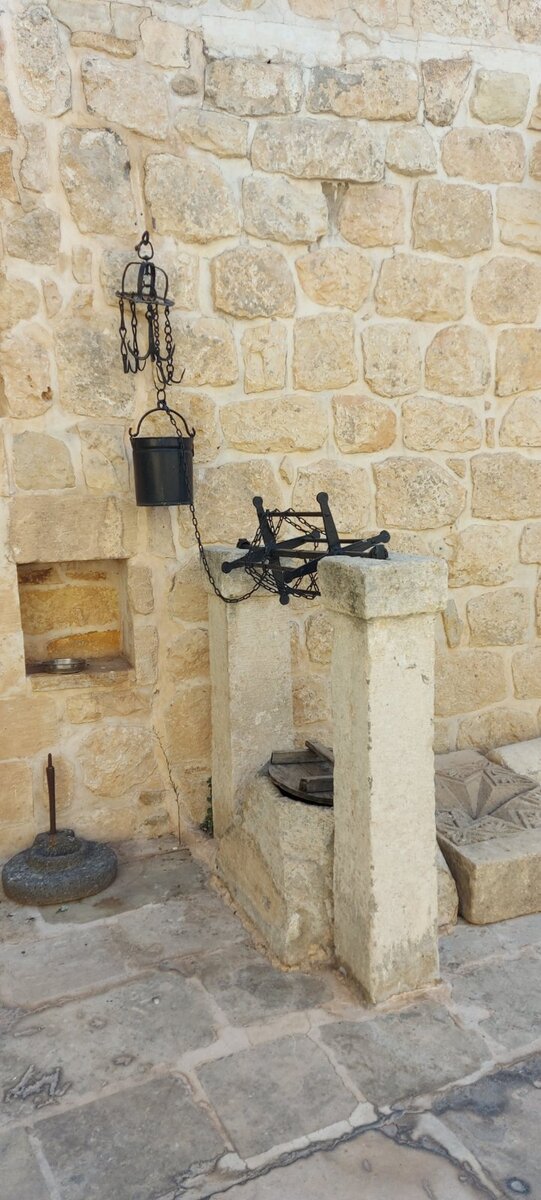
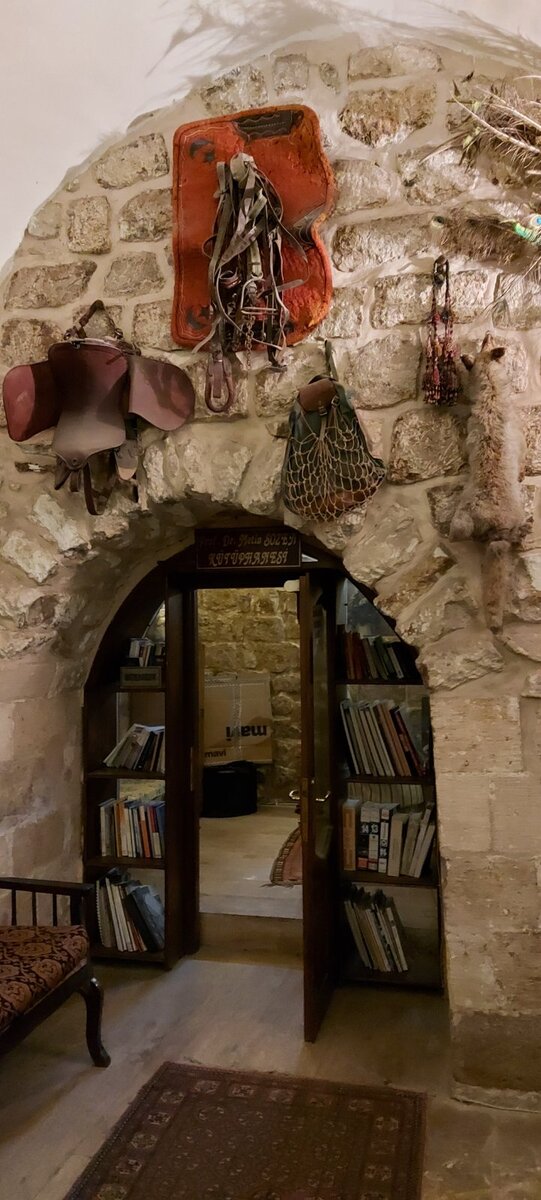
The hotel we are staying in is a guesthouse dating back to 1275. Caravans carrying silk have stayed here for centuries. And to this day many items of historical value have been preserved.
Prince Charles also stayed at the hotel; his photos are in the hotel lobby.
The building is huge and sometimes we get lost in its corridors, terraces and tunnels. But the city draws us towards its nocturnal streets.
End of part one.
To be continued
See more about the author Iskra Todorova here
The entire gallery of the town of Mardin can be seen here: