The parable about Sofia continues with the last thought so far: „The Russian poet“
If you missed the rest:
The beginning – „Sofia Crossroads“
Following:
„Moskovska“ and „Georgi Rakovski“ streets“
We continue on „Down along Vasil Levski Boulevard“
Towards „The Station and Love“
During „Art and Money“
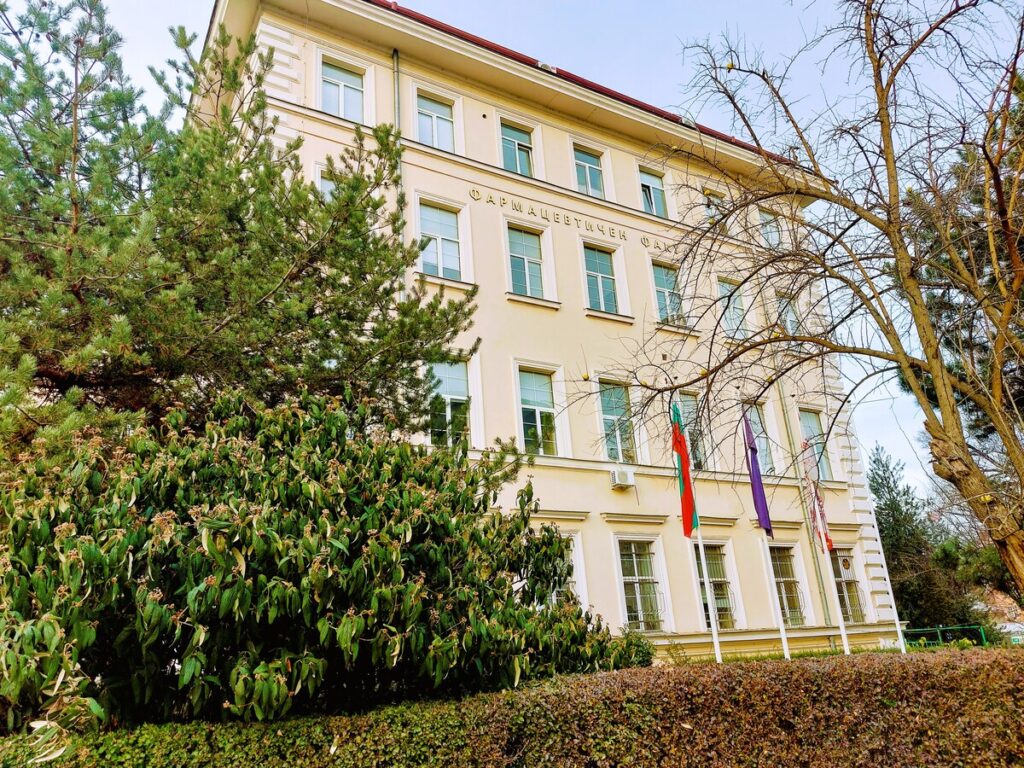
Where without the pharmacy „Science and Money“
Autumn in Ostankino
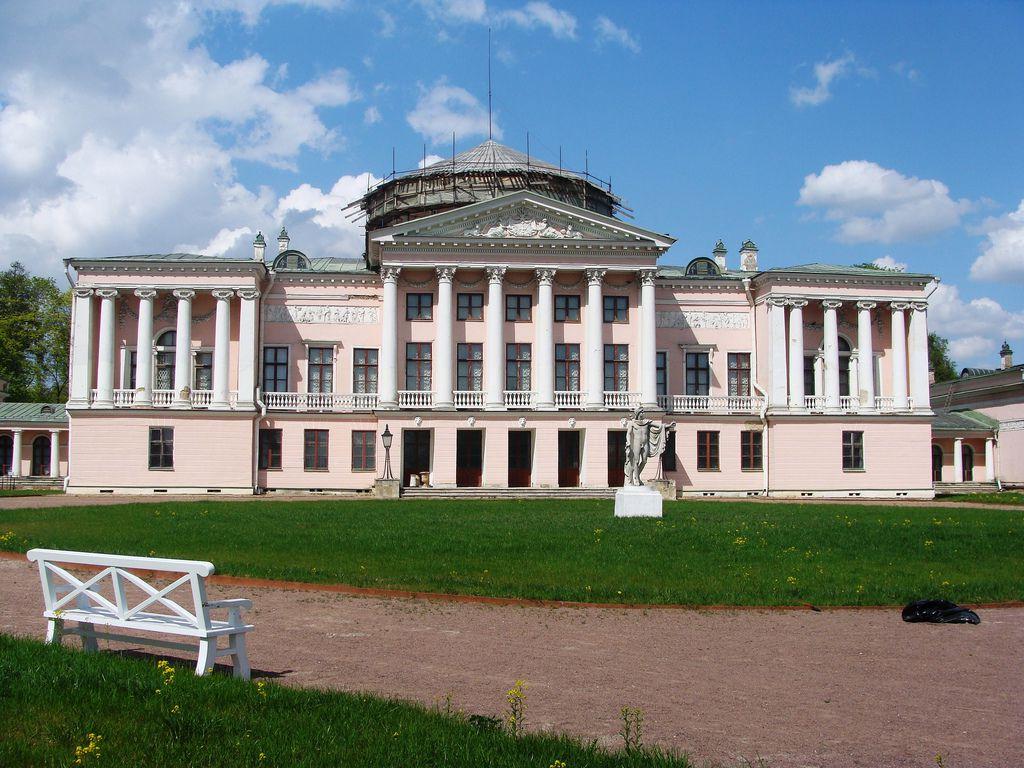
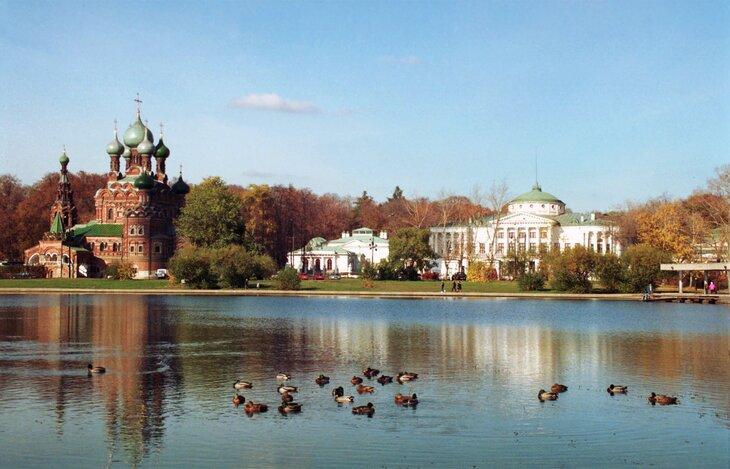
The Botanical Garden in Ostankino is not among the most famous sights of Moscow.
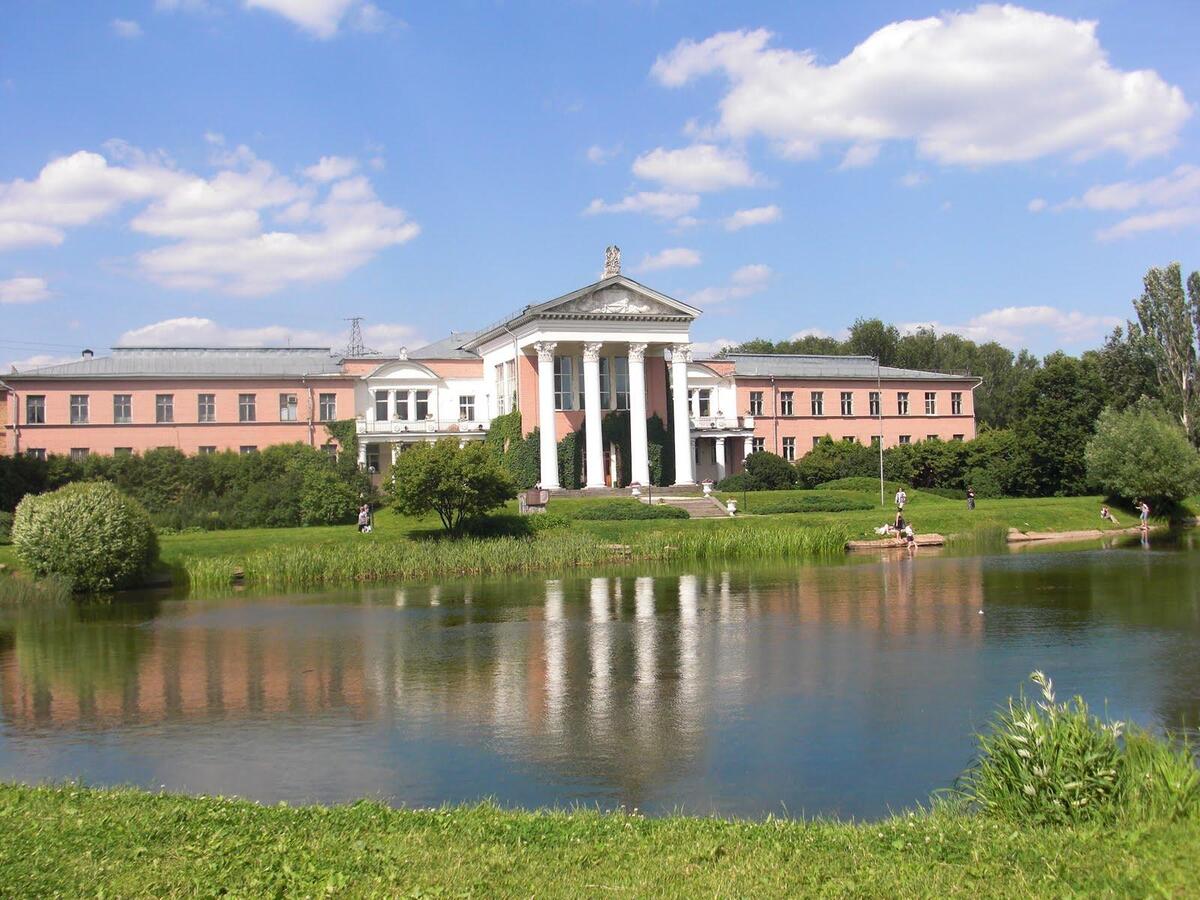
We stumbled upon it by chance, bored by the crowded hustle and bustle of VDNH. We wandered in search of the exit and suddenly entered the former Sheremetev estate, transformed into a magnificent park.
The metropolis gradually faded away, retreated and disappeared. It was one of those cold and clear October days, just before Siberia was to send the winds of the harsh Moscow winter. The trees were shedding their autumn coats towards the ground, then stretching their bare branches towards the afternoon sun. The leaves were pouring into golden clouds and revealed how nature can be the only thing in this world that is beautiful even in death.
The lake in the park, half-dimmed in front of the Shemeretievs’ house, reflected the pale afternoon sun; along the paths rose the branches of the pink bushes, and only one of them, how could it be, had survived a white rose. Everything was then slightly neglected, carelessly maintained, and therefore all the more authentic. It was as if we were going back in time, to Moscow in the 19th century.
We had read so much Russian literature that we felt like we were in a well-known world. It was as if the Shemeremeyev family had invited us as old friends – we are going to Paris, to another place, but you come along, stroll around when you get bored.
And we, of course, wandered around and smelled the aroma of that elusive, sweet sadness we had felt when we opened the pages of the Russian books. They say that Europeans cannot understand the complexity of the Russian soul. These people either haven’t read enough or haven’t been to the Botanical Garden. It’s there, hidden behind the autumn trees, peeking out from the mirror of the lake, blooming with the last flower that has bloomed.
We didn't realize when it got dark. At that moment, we were ready to sit under the elegant columns of the house behind the lake, drink tea and talk endlessly about how it was time to finally leave for Moscow. Although we were already there.
I don't need to travel to Russia to rediscover the elegant feeling of the Moscow Botanical Garden.
My Russian corner in Sofia
I have my own Russian corner here in Sofia.
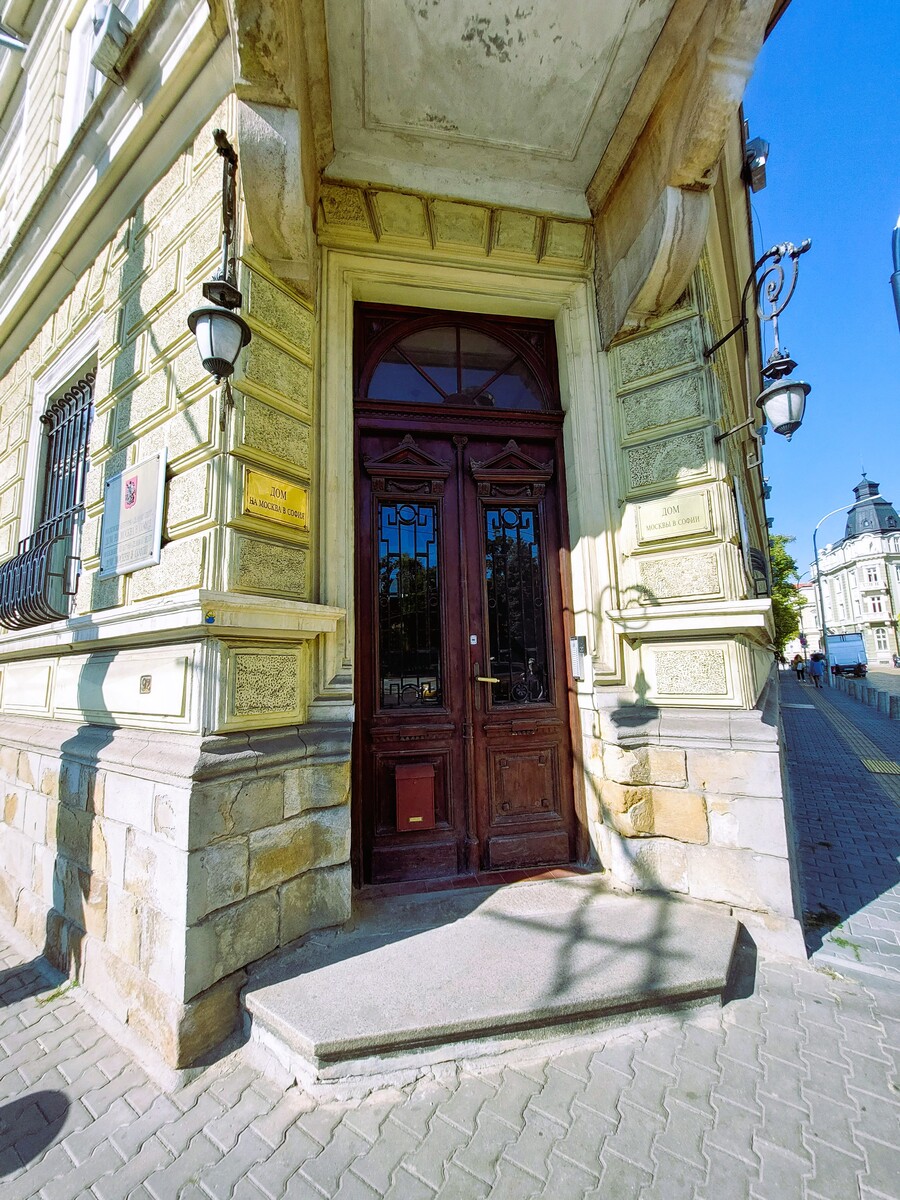
At one of the corners of Georgi Rakovski Street, opposite the Ivan Vazov monument, is the House of Moscow.
The building is one of the first administrative structures after the Liberation and was intended for the Russian diplomatic mission. It is neither grandiose nor particularly remarkable; it was designed more functionally, in the typical style of the time. But even the untrained eye of the amateur immediately detects the difference between it and the surrounding buildings and monuments.
Somehow she feels that the people in it speak Russian, not another language.
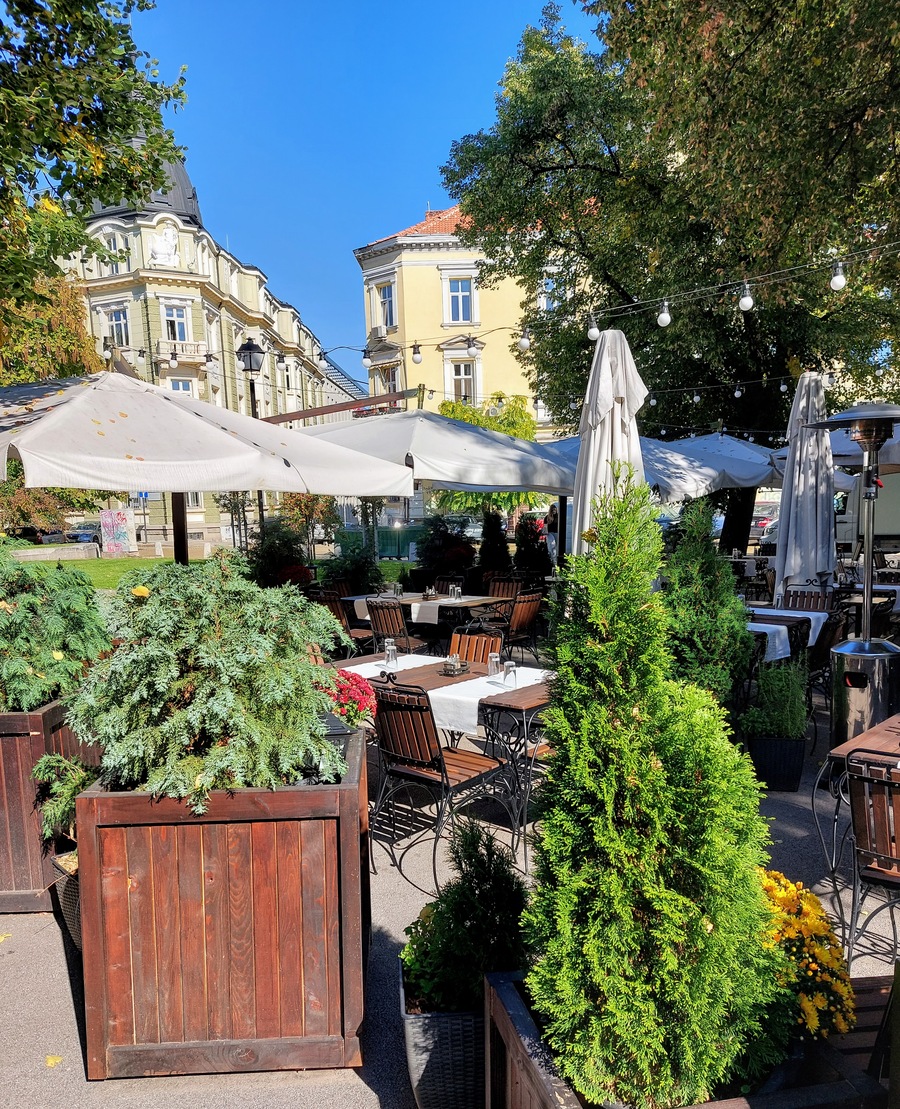
I start from there, passing the entrance with the massive wooden door and the two hanging lamps next to it, trying not to think about how much pleasure I would have drinking my coffee on the balcony above. Then I turn left, circling the restaurant terrace and it awaits me there, my secret Russian garden.
It is small and on one side it is surrounded by the House of Moscow, while on the other it adjoins the rear facade of the Russian Church.
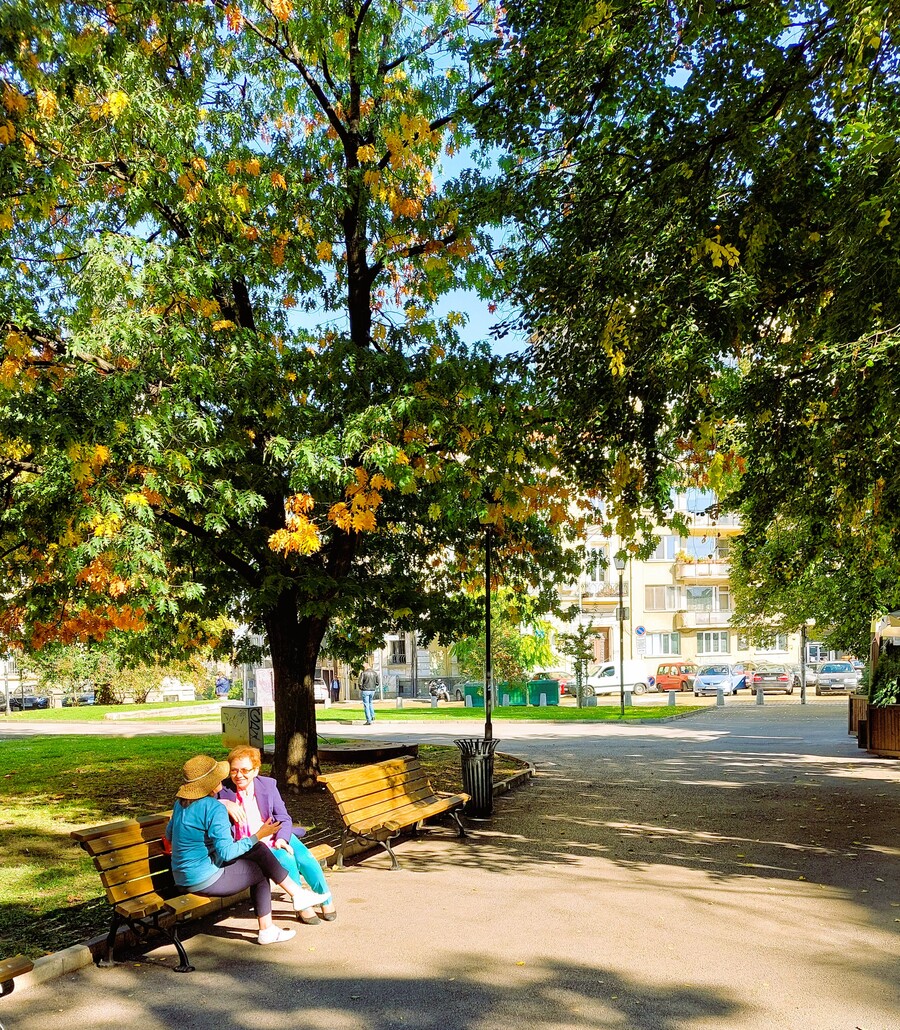
The garden has its own life. Although it is in the center of Sofia, it is quiet, as if it is miles away from the big city.
Old trees obscure the small alleys with their crowns and absorb the vibrations of the neighboring streets. Only the bells of Alexander Nevsky sometimes send a greeting from their gilded domes, shining among the branches of the cypresses.
It's not just me who feels the special atmosphere of this place.
Two friends chose it to share their smiles. A young woman, probably a student, is feverishly reading two books at the same time in preparation for the upcoming exam.
The journalist uses the placid tranquility of the place to ask her questions of an important person. The city sparrows are scurrying around, and a pigeon advances aggressively to court its mate.
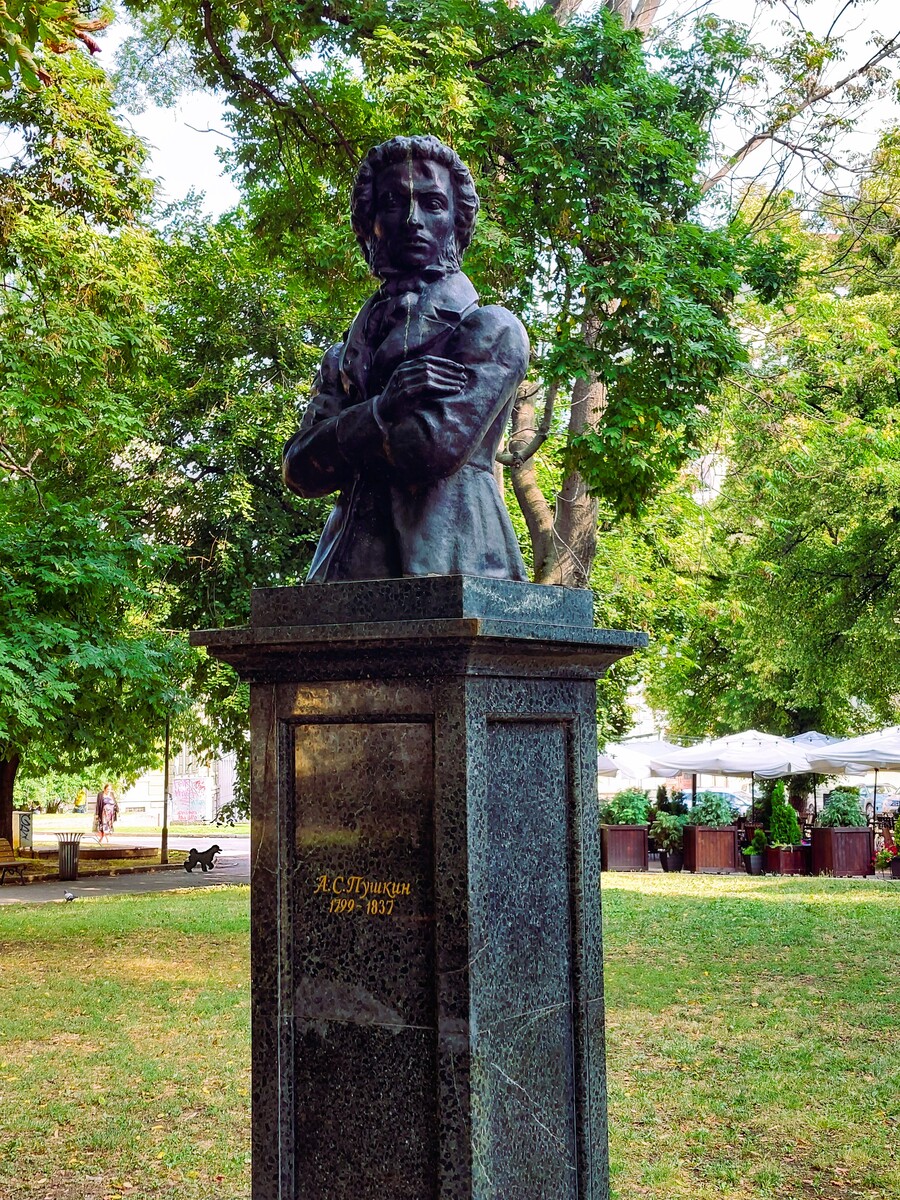
And there, in the center of the garden, the monument to Pushkin blesses the visitors and the lovebirds.
Many people in Sofia don't even suspect the existence of this monument to the Russian poet.
Pushkin monuments around the world
It is one of many in the world, not to mention those in Russia.
It turns out that the exact number of Pushkin's monuments is difficult to determine.
Only in his homeland there are about 300 of them, and in other countries, according to data from 2016, there are 667 of them.
Of course, every sculptor wanted to create something different and make their unique contribution to paying tribute to the writer. The monuments are often monumental, such as the one on Pushkin Square in Moscow; at other times they are compositions of the poet with other figures from his life or even his heroes. He is accompanied by Natalia Goncharova on Arbat, he is standing next to his beloved nanny Arina Rodionovna in Pskov, and in Yoshkar Ole he sat on a bench and looked at the nearby E. Onegin.
In Beijing, where they obviously also like to read his poems, he is immortalized sitting behind his work desk, cluttered with manuscripts.
And in Crimea there is even an underwater monument, near which, as is the tradition everywhere, lovers meet in diving suits.
Editor's note:
In recent years, the monuments to Alexander Pushkin in Ukraine have been subject to dismantling as part of the process of decolonizing public space. According to a statement from the Ukrainian National Memorial Institute on April 7, 2023, at least 34 monuments and memorial plaques of the Russian poet were dismantled during the first year after the start of the full-scale war. The number does not represent a final statistic at the present time.
According to a scientific study published in 2025, 643 monuments to Pushkin have been identified in 61 countries; the study uses a narrower definition of a monument and does not include all types of commemorative signs.
Therefore, the numbers from different sources are not completely comparable.
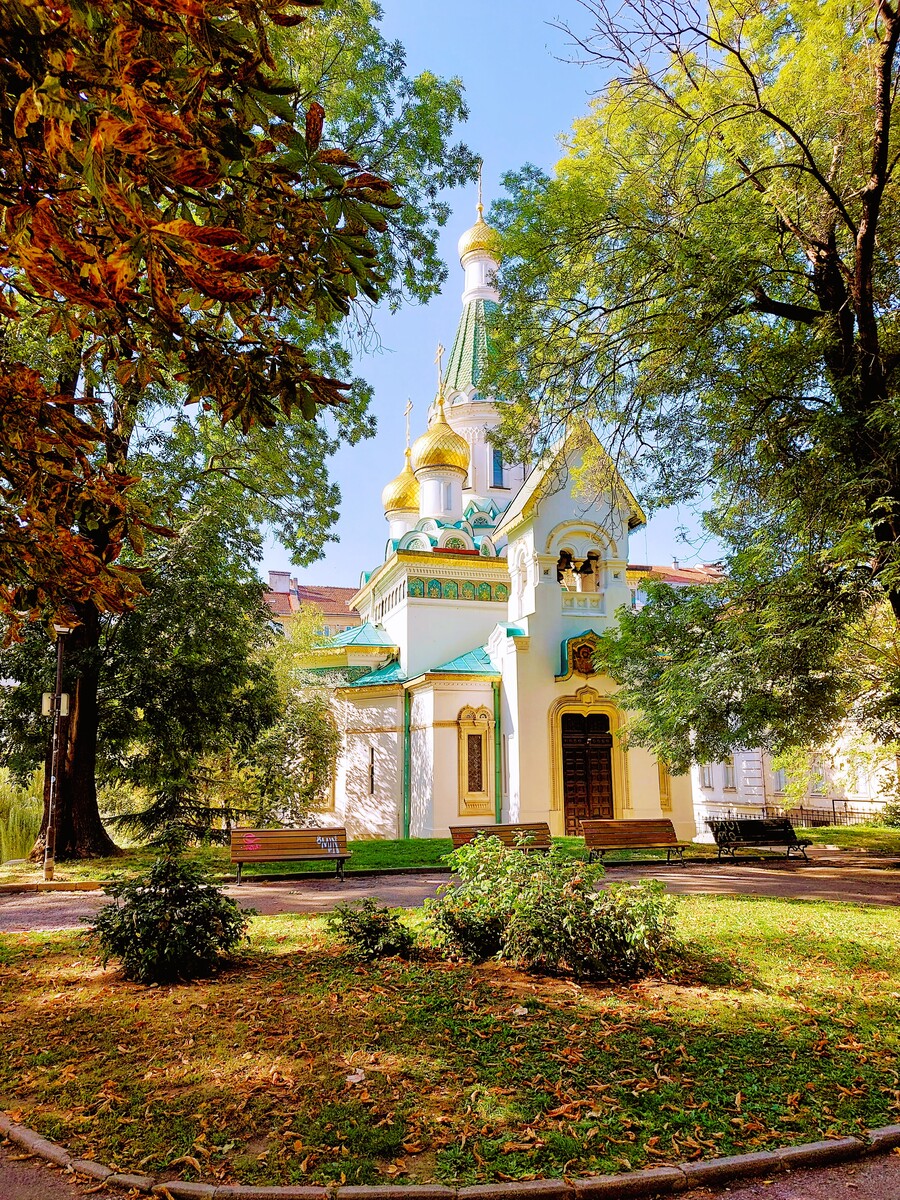
Pushkin's monument in Sofia
The idea of erecting a monument in Sofia came from the Pushkin Foundation. It was built with the assistance of the Russian ambassador and the mayor of the capital, and the project was entrusted to the sculptor. Vayeslav Klyakov, in cooperation with the Bulgarian architect Svetoslav Konstantinov.
The monument was unveiled on the poet’s birthday – June 6, which is every year a day of literary readings and celebrations. Thus, in 2001, Sofia became one of the many cities where lovers of Russian literature can honor the memory of Alexander Sergeyevich Pushkin.
The monument is modest and devoid of unnecessary pretensions of originality. The poet is depicted in natural size, and his presence creates the impression that he is one of the visitors to the garden, a simple person whom we can meet here, wave to him carelessly or secretly smile at him, sharing his unobtrusive company.
The strength of such people is not in their appearance or the exclusivity of their behavior, although Pushkin was a prominent figure in Russian society even while he was alive. It is only over time that we come to understand the wide impact they have left on our consciousness and how they managed to make the world a more different, better, and more beautiful place to live in.
This monument, seemingly humble yet significant, creates here in Sofia that special feeling that I first experienced in the Moscow Botanical Garden. The atmosphere of Russian culture and the Russian spirit, well-known from the poetry, novels, and plays of the brilliant Russian writers. Here, in this peaceful corner of Sofia, we can involuntarily become participants in their inspiration, sensuality, and love for life.
I sit on the bench in front of the Pushkin monument, and the big city stops rushing; the petty ambitions and vanity of its inhabitants remain far behind; even the nervous rumbling of the cars fades away among the chestnut trees.
That's how I wish I were young and in love; I don't even need to be called Tatyana. Then I would dream and then I would write something touching to my beloved. On the phone, of course, we are still in the XXI century.
And then a golden autumn leaf will fall on my lap.
Letter from the editor.
We have selected three websites from which you can see up-to-date information about the Ostaninok estate, the museums, and the lake.
The Official Museum-Estate of Ostankino
Wikimedia Commons –Photos of the Ostaninok estate
Wikimedia Commons – The Ostankino Palace:
See more about the author Darina Vankova here