Clean, cleaner, cleanest, South Korea (and Japan)...
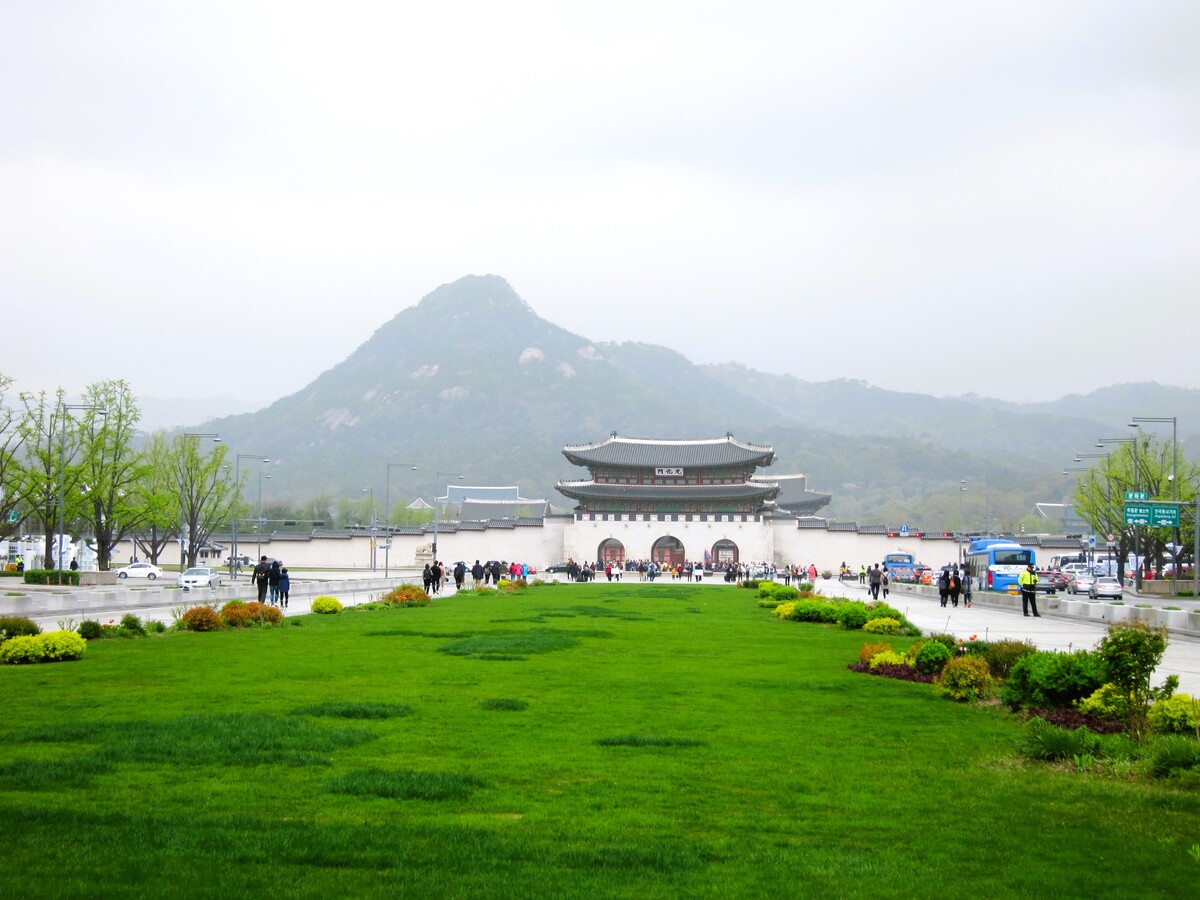
South Korea, as well as Japan, is a country where the number of trash cans determines cleanliness, as if trash cans themselves are considered something dirty.
Although trash cans are extremely hard to find, there is no litter on the streets.
It is recommended to bring a small bag to put your trash in.
Koreans themselves will call you out when even unintentionally a small piece of trash falls out of your pocket – someone will immediately be found to point it out to you.
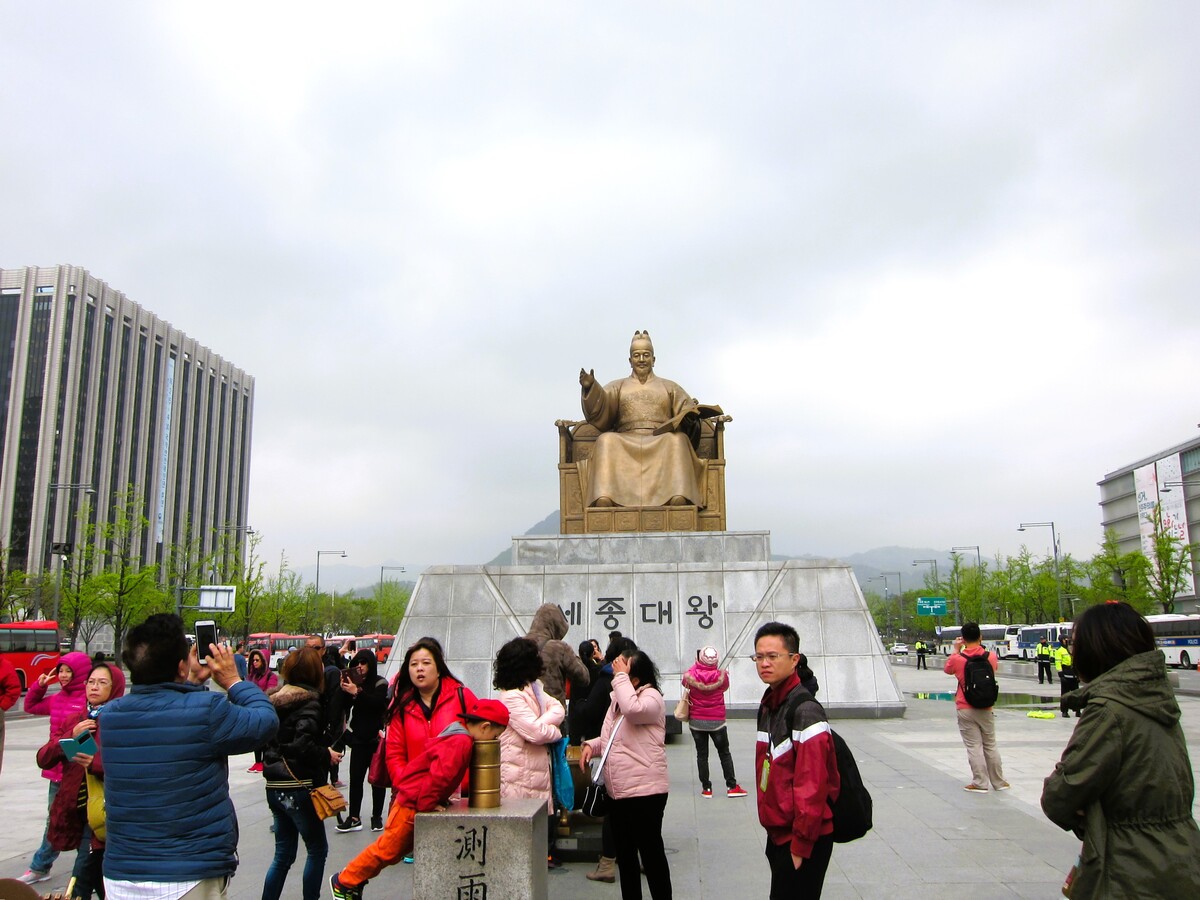
Flowers are everywhere, crime is low, minorities are few.
South Korea is one of the nations with the most homogeneous population.
Lately, there has been a gradual increase in the Chinese population, which is not well received by the Koreans. According to locals, where there is a concentration of Chinese people, problems usually brew.
At first glance it seems like a dream country, but, of course, there are difficulties, and not a few of them.
Much like in Japan, most workers are expected to work themselves to exhaustion.
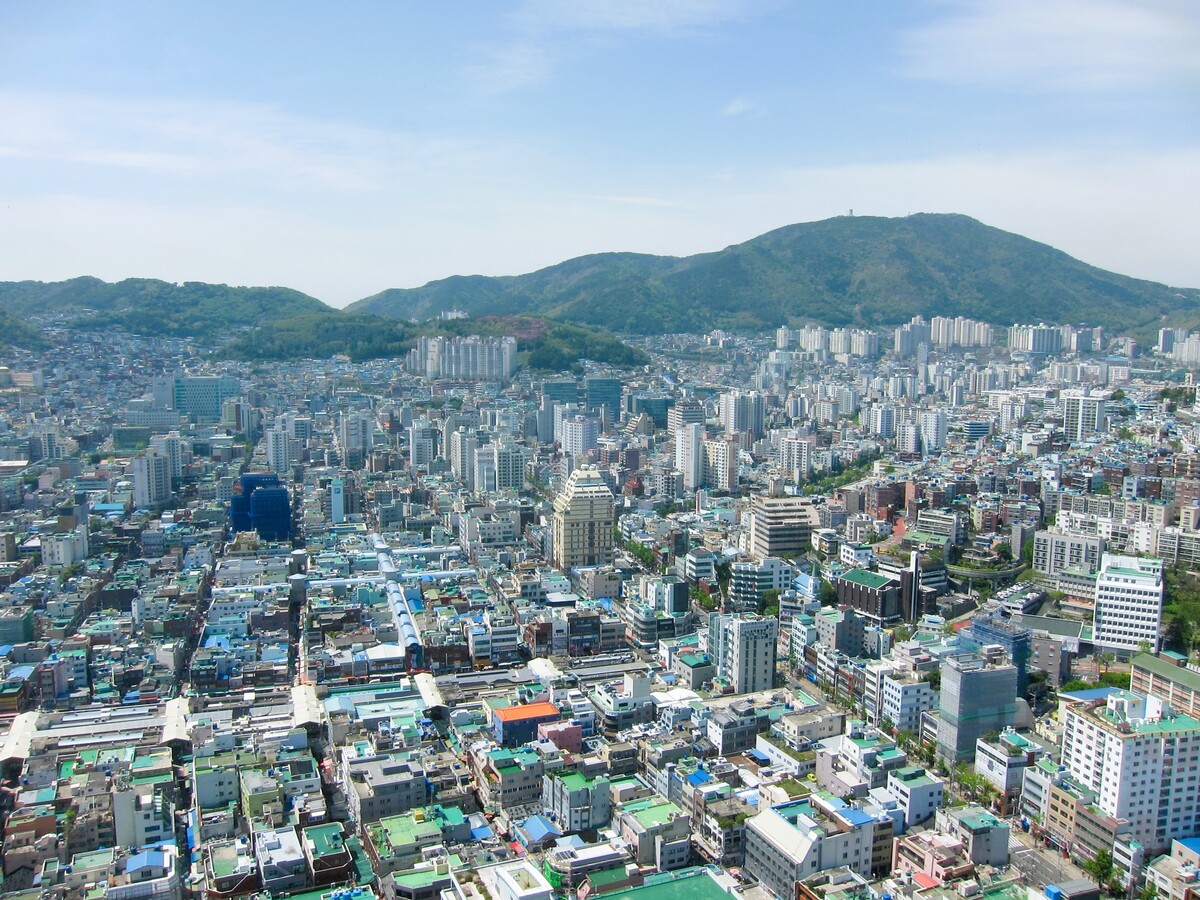
The country has an extremely high population density.
South Korea has a population density exceeding eight times the global average.
Accordingly, competition is fierce, and housing is small.
Based on memories from what I have read and the local tour guide's explanations, the social system does not provide everyone with sufficient funds for their „third age,“ and a person must take care of securing additional income after retirement on their own. It is common practice for people to invest in an additional property to rent out after retirement.
A significant portion of people over 65 live in extreme poverty and even destitution.
I was extremely impressed by the fact that the places of historical significance were often full of students, even very young ones.
Clearly, interest in traditions and history is cultivated and provoked from early childhood.
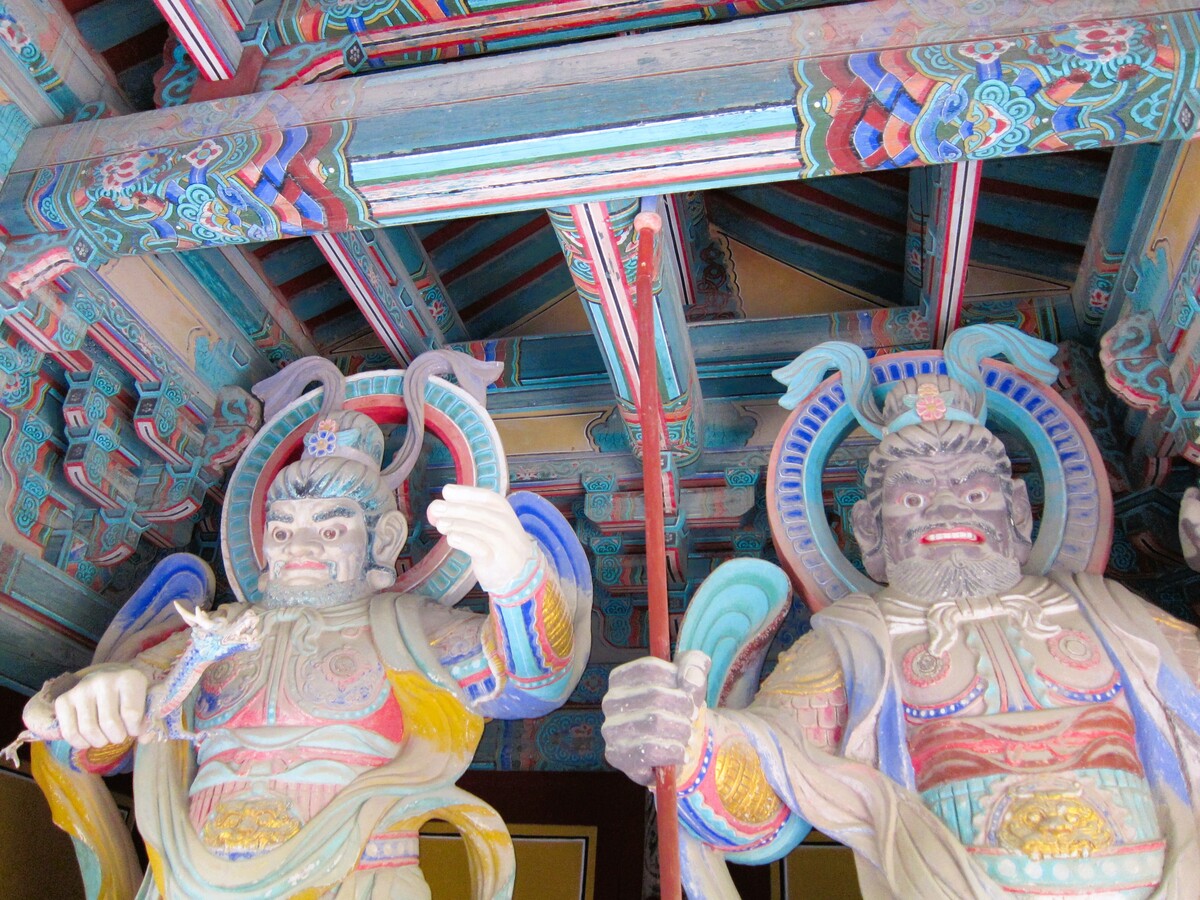
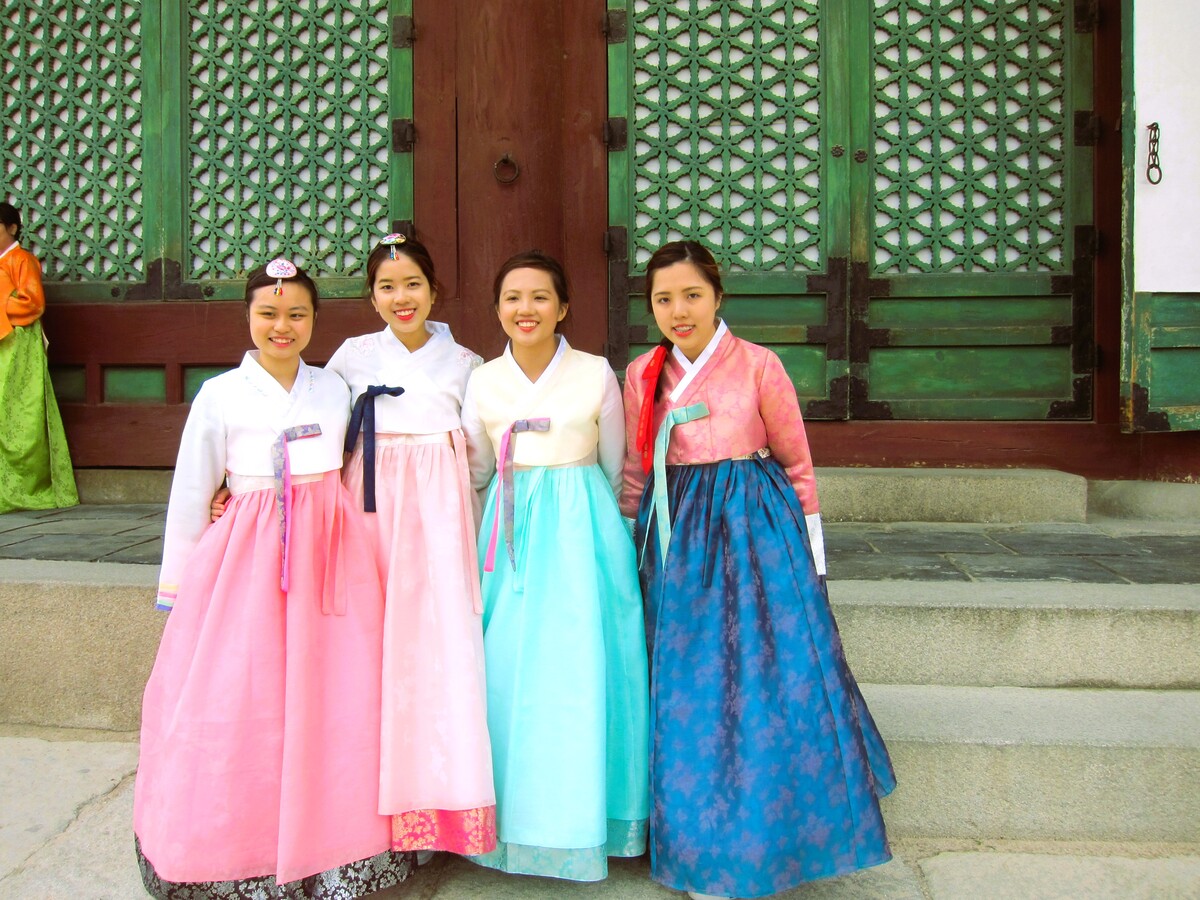
Patriotism is also encouraged by the fact that there are temples and museum complexes where anyone who comes dressed in traditional Korean attire is admitted for free.
The cuisine of South Korea
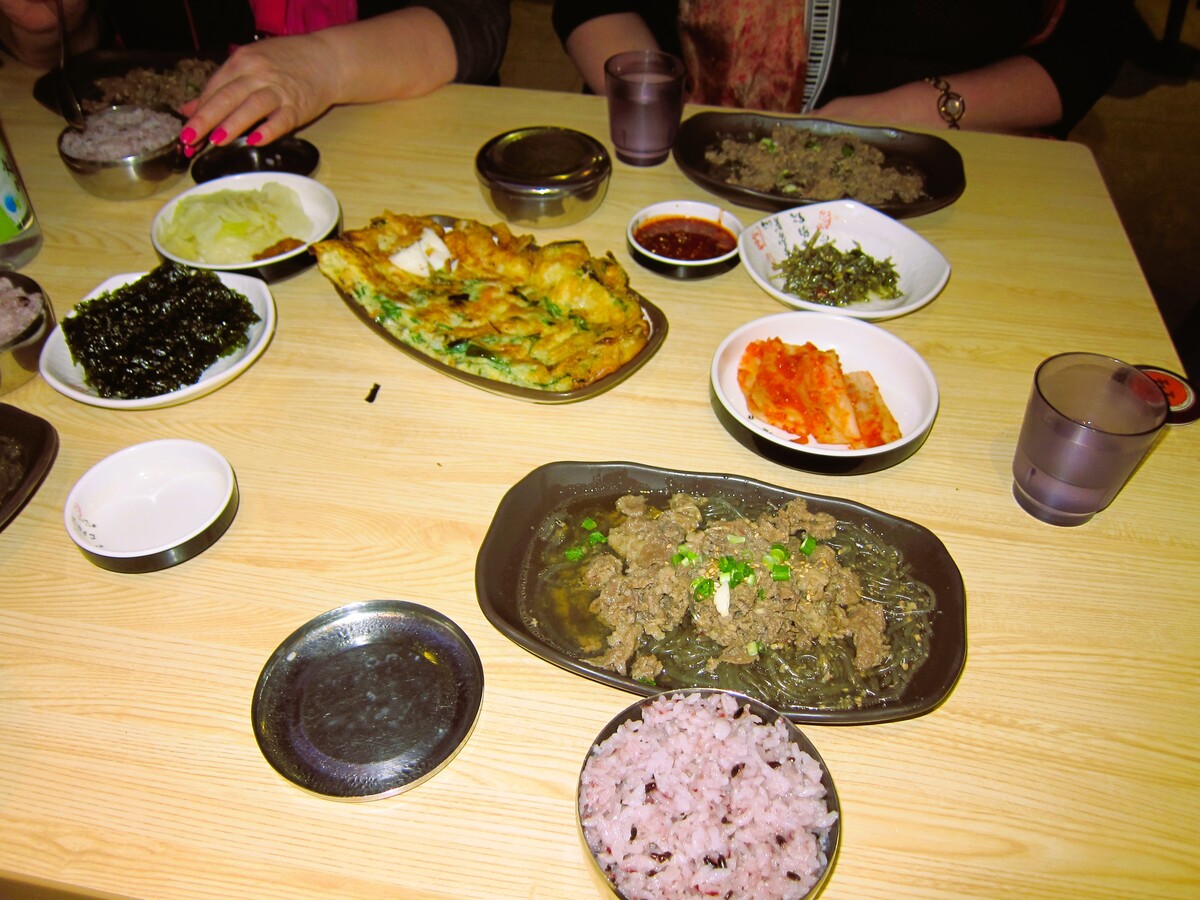
The food in Korea is also interesting, which most of us were not thrilled with.
„Kimchi, which resembles our sauerkraut, is always present at the table.
A mixture of new flavors intertwines on the Korean table, many of them being far from our local ones.
Overall, their food seemed pretty bland to me. And what surprised me the most there was the presence of scissors as part of the cutlery.
They are used in cases when there is no way to cut something with... chopsticks 😊
The shopping streets were crowded with countless rows of sportswear shops, and young people walked around en masse wearing sneakers and invariably glued to their mobile phones.
I was also very impressed by the presence of free and, of course, extremely clean restrooms at every metro station.
There are countless new buildings, the blocks are endlessly tall, resembling giants stuck into the ground.
People are in a rush, but very polite and always ready to help at least confused foreigners 😊
Jeju Island
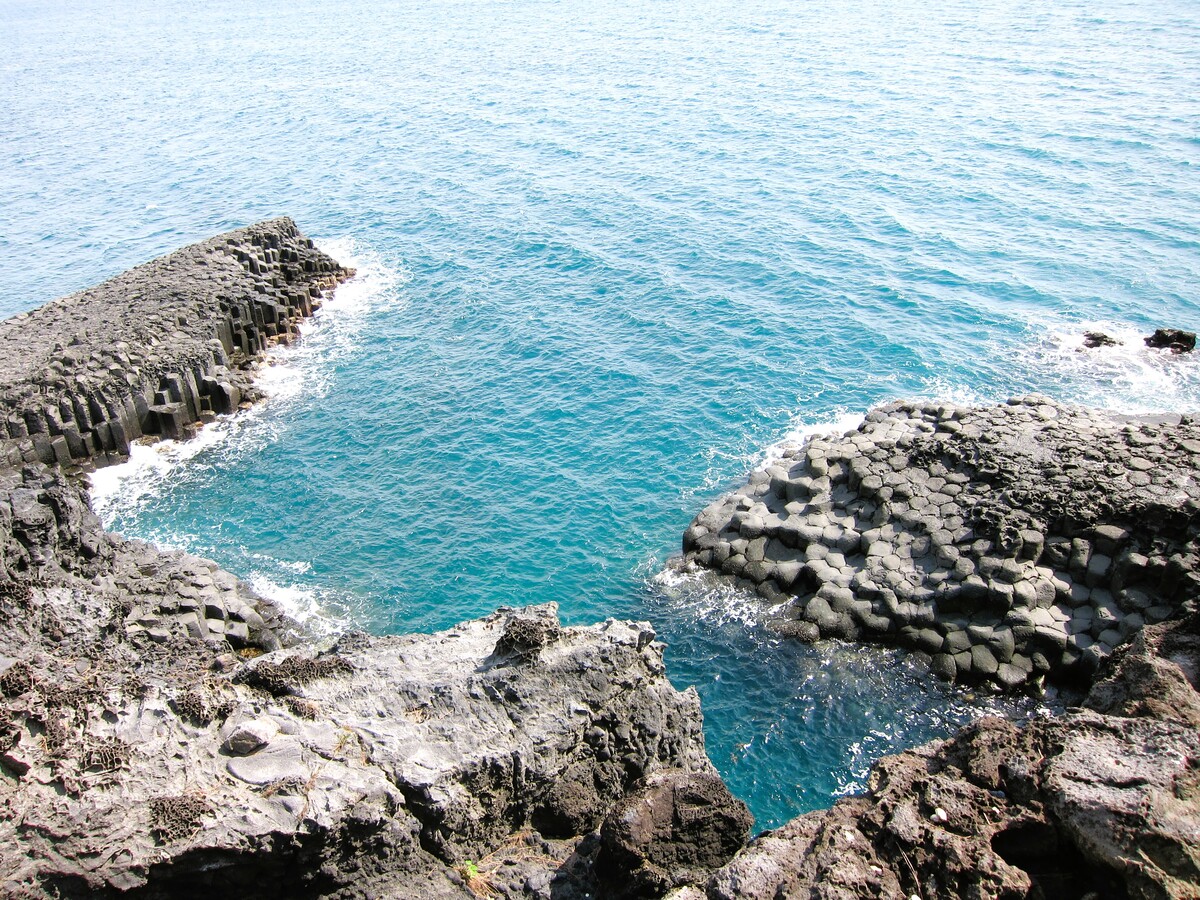
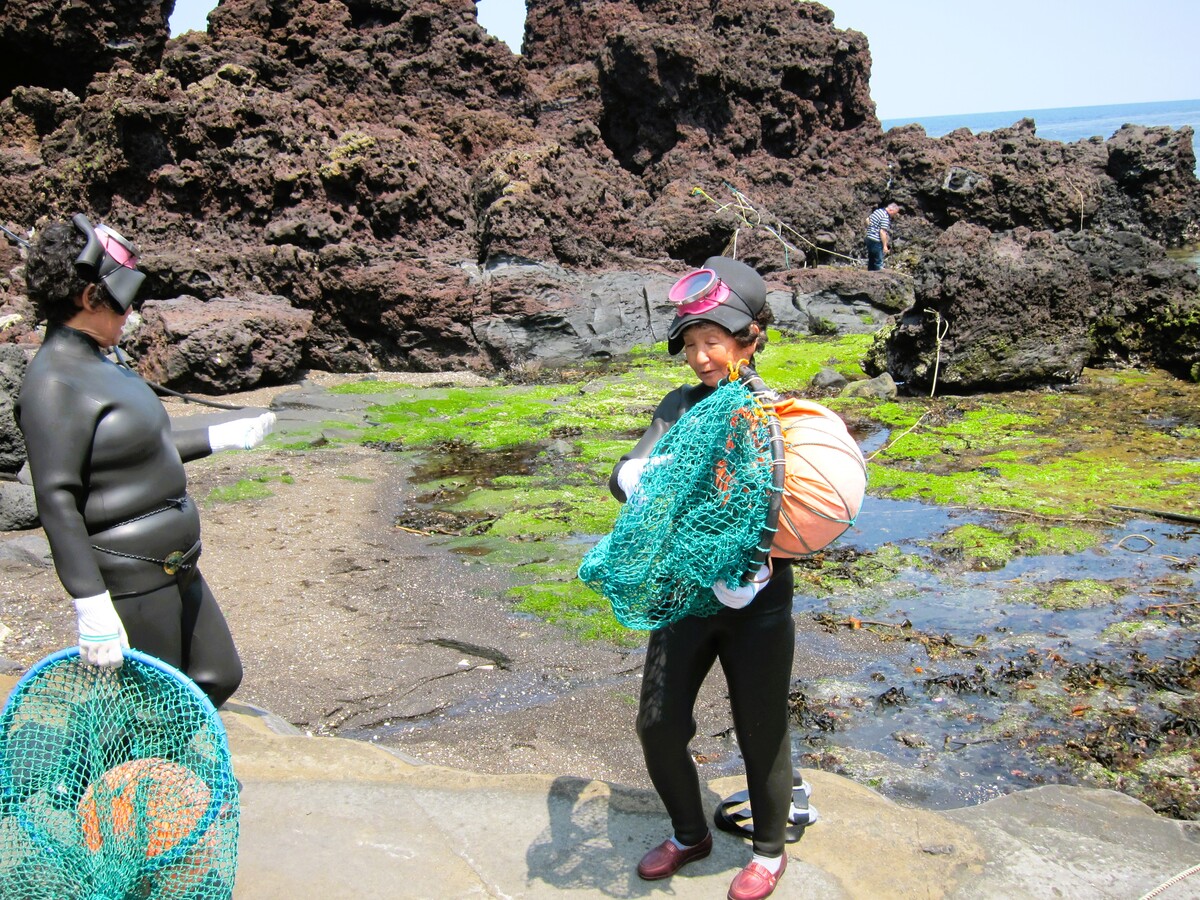
Being in South Korea, we wanted to see the place that ranked among the seven natural wonders of the world – Jeju Island.
I expected to encounter otherworldly beauties.
There really were wonderful places, but nothing to gasp at. It turned out that what makes it so impressive is its volcanic origin – there are about 360 small volcanic cones on the island.
No matter how you look at it, this is truly unique!
Tripitaka Koreana
Another unique thing for me was the Tripitaka Koreana – the Buddhist canon, engraved on 81,258 wooden printing blocks in the 13th century, containing one of the most complete and comprehensive preserved bodies of Buddhist texts.
This national treasure is located in Haeinsa Temple.
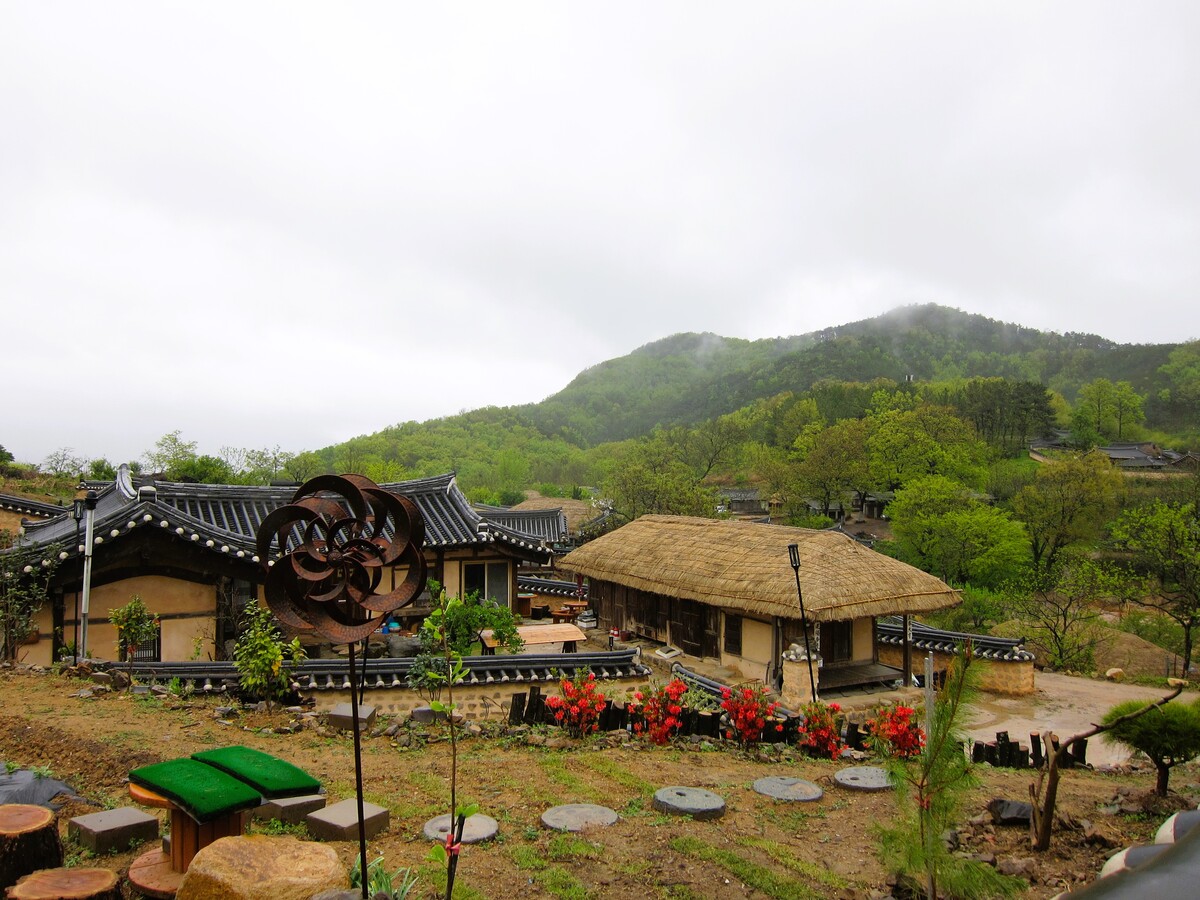
As in many places around the world, South Korea also has something for everyone – ancient history, beautiful temples, nature, new tastes and impressions.
I will remember her mostly for the many flowers and temples, the cleanliness, the children who are everywhere among the historical sites, and the young people dressed in traditional costumes.
„Even if you know the way, ask once more.“
Korean proverb
End of the travelogue.
But there is a continuation in the photo gallery
See more about the author Katia Via here
You can view more photos from the South Korea adventure here: