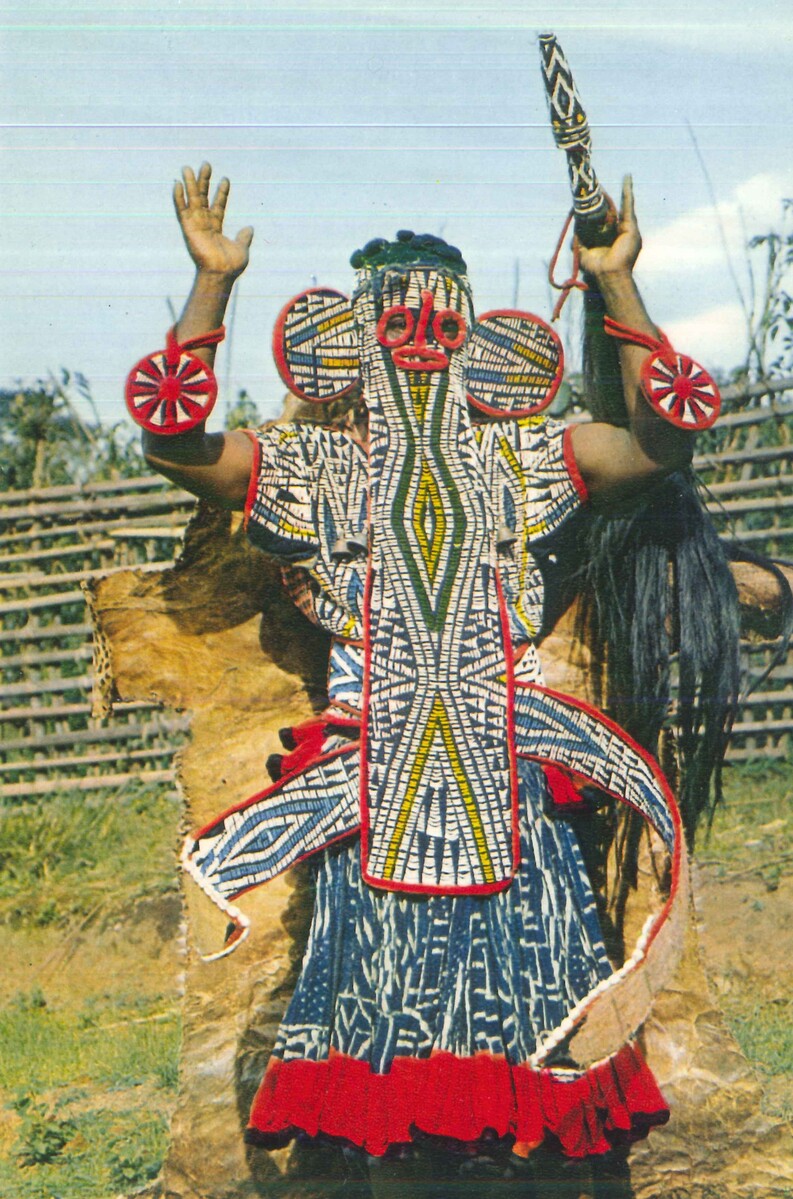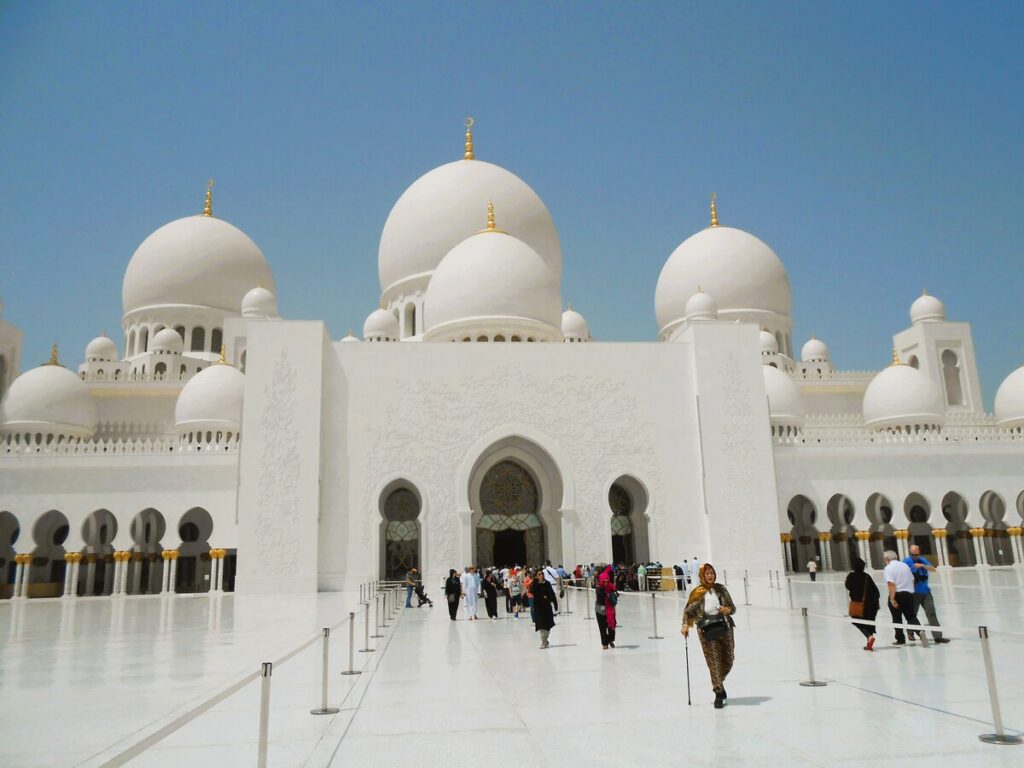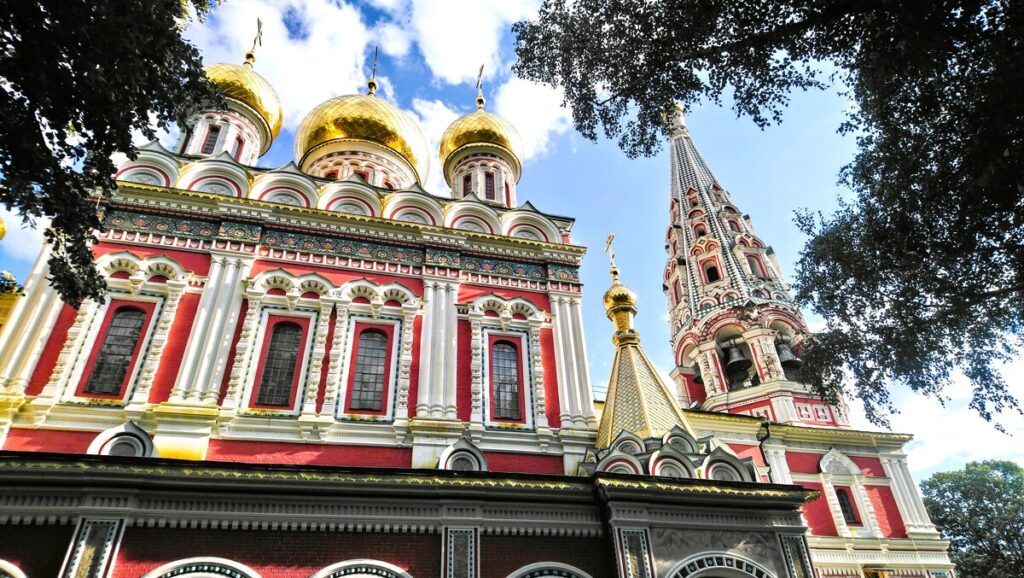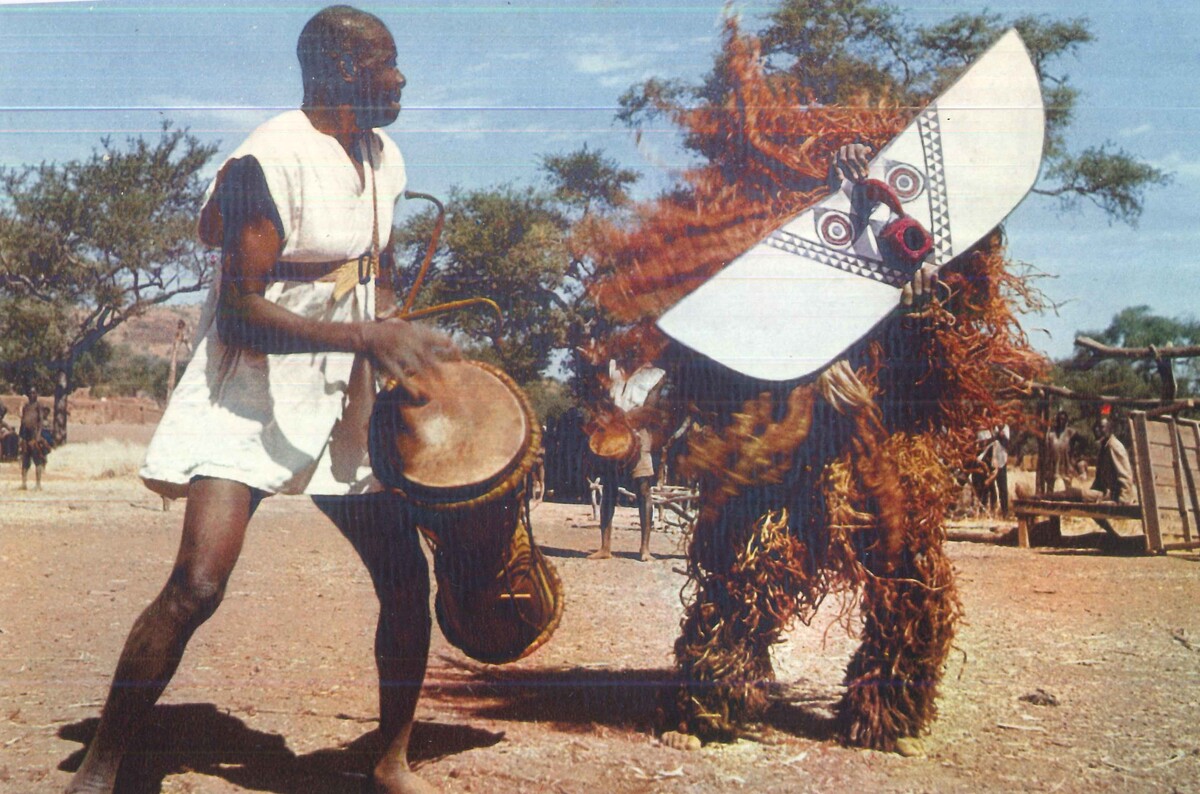
„The “magnets" are from Africa: cultural associations attached to the refrigerator
This is not a journey through Africa, but a journey to it through imagination, literature, music, and history. Darina Vankova She has never been to the African continent and this story is her personal, free view of an Africa she knew from books, music, images, and European representations of it.
The text is an original reflection and does not claim to be a comprehensive historical, political or cultural analysis.
Rare trees, overgrown grass on the savanna
The day was quietly giving way to dusk, and the shadows of the rare trees lengthened as farewell drew near, stretching the grass of the savanna. The path ahead seemed endless, as if we could wander for centuries on the two tracks in the dry yellow soil, never plowed, never watered with sweat and tears, never born with grain and never prayed for a good harvest. Somewhere far off, the sun was fading Kilimanjarro.
We were tired and disappointed. The guides had been trying all day to meet us with the wild animals; they had gotten out of their jeeps, examined the tracks, sorted them with sticks, and even smelled the trail, but the primates of the local fauna had disappeared. Not even elegant giraffes, not a herd of elephants or zebras, let alone hunting lions and leopards.
They showed us plants, entertained us with stories about local customs and African legends, but we all knew that we weren’t expecting this. We had traveled all the way to be able to gasp at the wild beauty of an antelope, hear the roar of a furious lion, tremble before the magnificent figures of elephants. A childhood dream or a story from a book, a reverence for the wealth of the untouched nature, a few compliments from friends back home, photos on social media.
We didn't want anything less than that from Africa.
Suddenly our guide stopped the car and raised his hand, then pointed to the right. There were several black buffaloes passing by, smaller than expected, ugly and unkempt from the stories of the saharas. We held our breath; our time had come.
We took out the cameras, aimed at the target with precision and started shooting. That day, we did manage to get some shots though.
Africa in the European imagination
I have never been to Africa and I probably never will be. This short story is the product of my European perception of the continent, a banal but exciting cliché for middle-class amateur photographers. Because the rich go on safaris to really kill things.
Africa, of course, is much more than that. It is the second-largest continent and consists of various countries – descendants of ancient civilizations, such as Egypt, to some of the poorest countries in the world. To the north of Sahara It is part of the rich culture of the Mediterranean, and to the south is that mysterious, attractive and vast territory that excites the European imagination and provokes its entrepreneurial instincts.
There are at least two myths about Europe’s attitude towards the continent – the romantic journey into the unknown and the collective guilt from colonial exploitation.
My romantic Africa
My romantic Africa is not a safari in the natural parks of Kenya or Tanzania. This is the journey on the river The Congo, described by Joseph Conrad in his magnificent book „The Heart of Darkness“.
The dark water that slowly absorbs the signs of civilization and gives birth to the jungle around it erases European perceptions and takes us into the depths of the continent and of our own souls. We are what remains of us after the dark journey and after the most terrifying encounter – not with the local inhabitants and predators, nor with the wild nature, but with our own fears and desires.
The search for the beginning – that is my expectation from my imaginary African journey. The beginning of the human race, who knows why it left the paradise garden and set out to conquer new territories. The beginning of human consciousness, even before the concept of good and evil and long before religions and culture. I would like to discover how much we have remained the same and how much we have changed since the moment we were not civilized, educated, and changed by the modern way of life. I keep thinking that in the end it will turn out that we have remained the same.
Africa, which I discovered through jazz
It was one of the New Years that we enthusiastically celebrated during socialism. I was still a child, not old enough to gather with friends on that day, but I was still a little bored with my parents, with their big and noisy company, with the jokes and toasts around the table full of food. After midnight, my uncle brought a small TV and put it in the bedroom, then closed the door. I snuck in after him; it was dark, only the blurry screen showed figures of musicians moving around. I listened and gradually I discovered that trace of Africa that I will always carry with me over the years.
Jazz
Jazz is the perfect harmony between European and African cultures. The sounds of classical instruments – strings, wind, percussion – enriched by the African sense of melody and rhythm, as well as by the tradition of communicating through sound.
Many African languages are tonal, so the same sequence of sounds can have different meanings depending on how it is pronounced. Moreover, in some African societies, the distances between individual villages have created a need for easy ways to transmit signals and messages – including through drums.
In Europe, similar functions are performed by church bells, but their language is relatively simple – an invitation to prayer, a celebration or a sad event.
In some African societies, the drums can convey complex messages rather than just signals. All of this predisposes to sensitivity to sounds, songs, and rhythm, and creates a harmony atypical of the European ear, in which classical rules for playing music can be broken and a new type of music can be created, with particular communication both with the audience and between the individual instruments.
This is my Africa – not a place for conquest or exotic adventures, but its presence in literature and music. But who knows, one day I might go on a safari, on a boat trip along the Nile, or even visit the pyramids in Giza. The Congo or in the desert Sahara. A person can always surprise themselves.
Another story about Africa
There is also another story, particularly painful in recent times, about colonial exploitation. Congo is a vivid example of its dark sides, of the pain of the African peoples and of the development of the European sense of guilt. This territory was not just a Belgian colony, which still implies some form of state responsibility, administration, and the maintenance of at least a semblance of legality, but rather the personal possession of King Leopold II of Belgium. From 1885 to 1908, the Free State of Congo was under his sovereignty, and the exploitation of rubber and ivory was accompanied by forced labor and massive violence.
Things happened there that are among the most horrific pages in human history. Just one example – the system of forced labor and punishment related to rubber extraction has documented severe physical mutilations and other forms of violence.
Today’s Western society, technologically advanced, enlightened, and spoiled, feels obligated to feel guilty about its colonial past. To what extent this is sincere and necessary is a topic for another discussion, but I am glad to be a Bulgarian. In my country there were slaves, but not from Africa. We ourselves were under foreign rule.
But later during the Renaissance, Bulgarian merchants did not deceive uneducated Africans, and plantation owners did not rape black girls. We were poor and did not exploit the weakness of other nations. Bulgarian lands were part of the Ottoman Empire, not an independent colonial empire that built its wealth through colonial conquest of African territories.
The historical definitions of Ottoman rule and the relationship between the center and the Bulgarian lands are complex and do not boil down to a single word.
That is why I do not feel historical guilt for the colonial past of European empires. I can enjoy what my ancestors have inherited without thinking that it is soaked in blood. And I can feel superiority over some rich nations that would probably rewrite their history if they could.
Africa is the past and perhaps the future of the human race. It remains the youngest continent in the world, with a median age of under 20 and about 65% of the population under 25, according to data cited by the UN. It is likely on its way to being rid of its existence as a source of cheap labor and a civilization desert.
Perhaps it will not be the heart of darkness, but the heart of light.
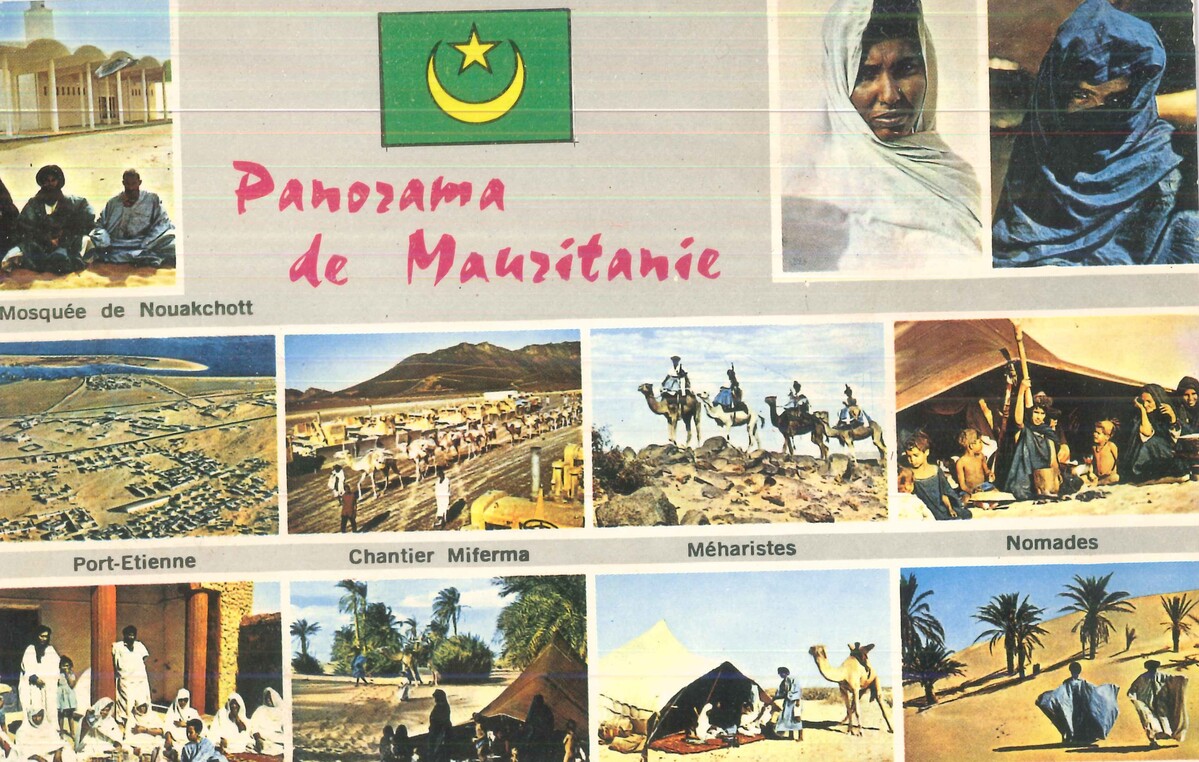
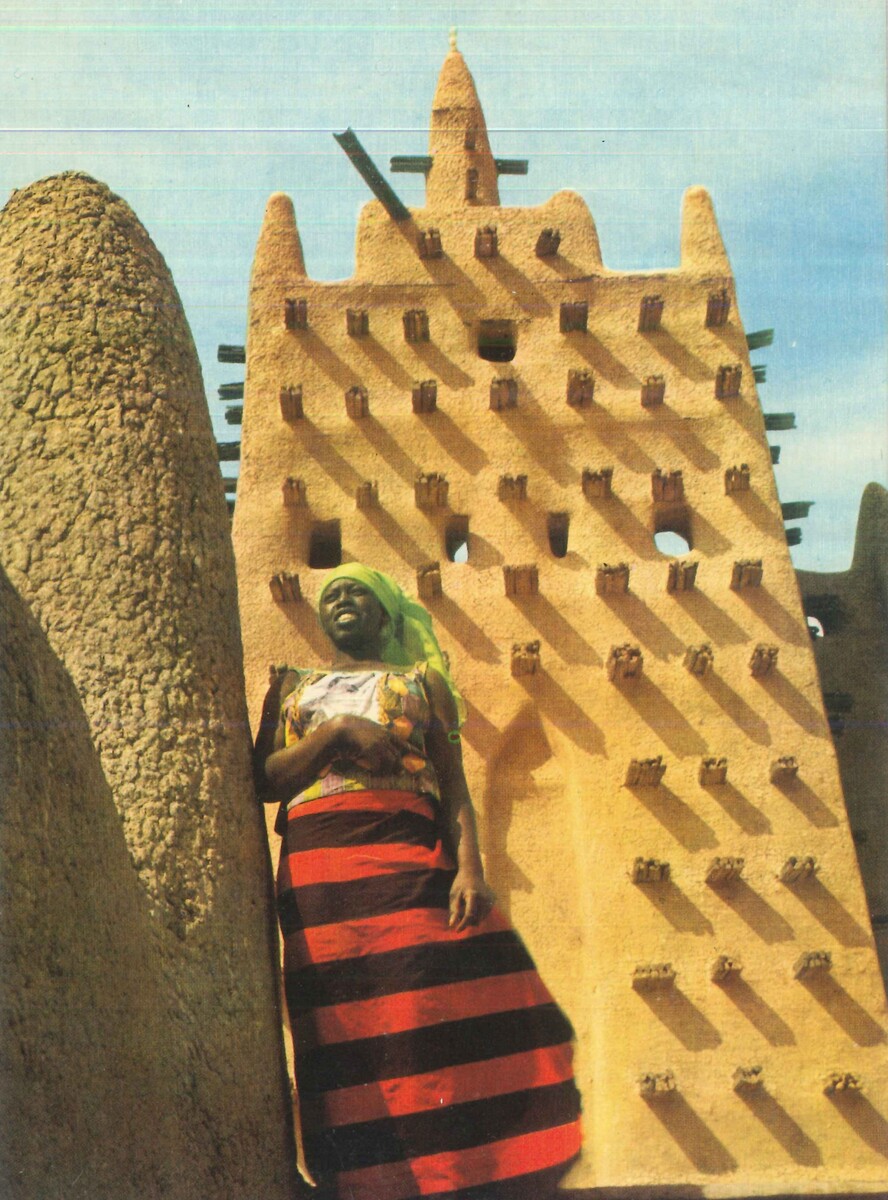
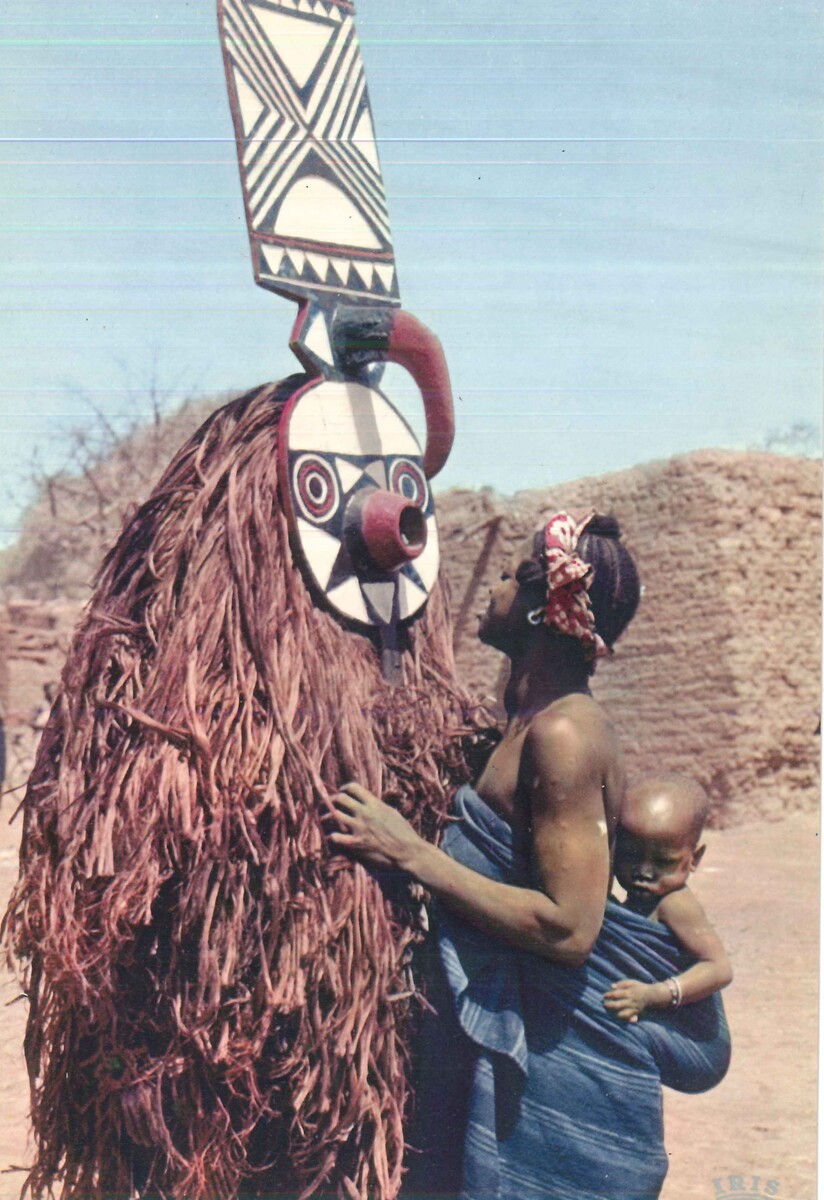
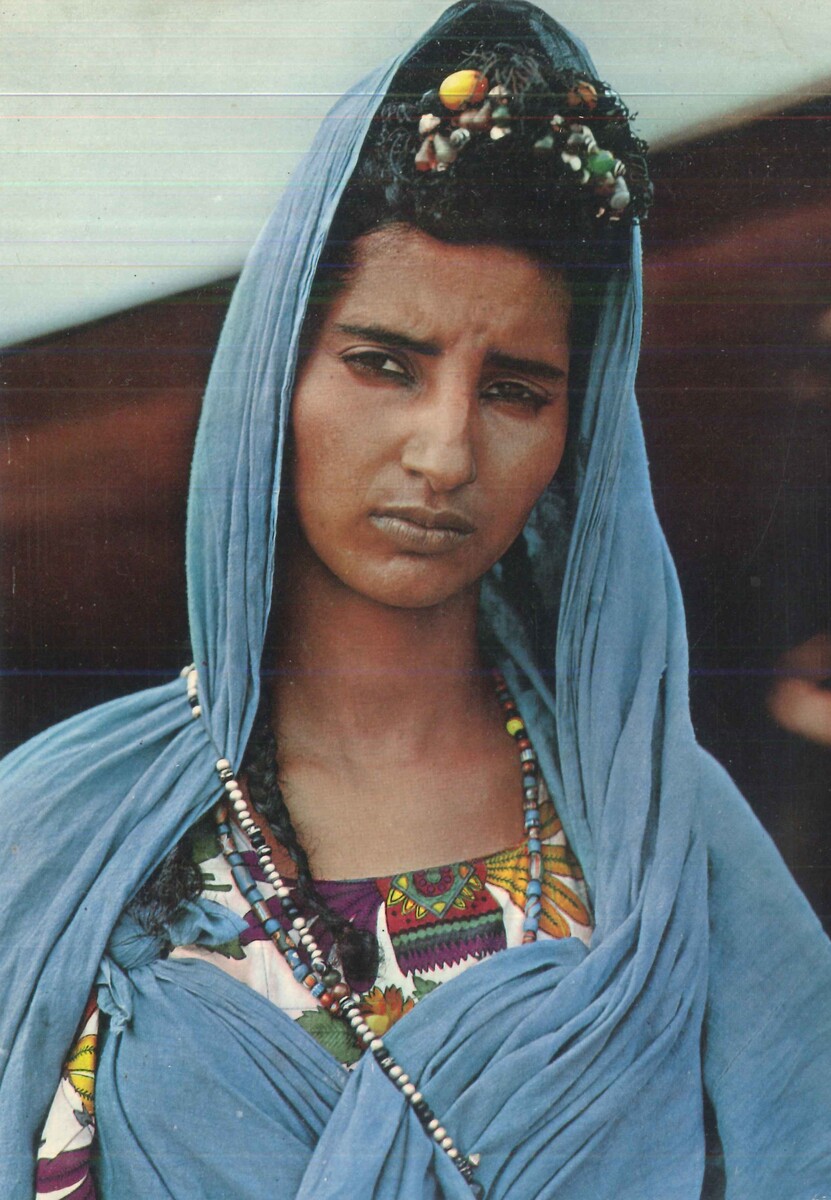
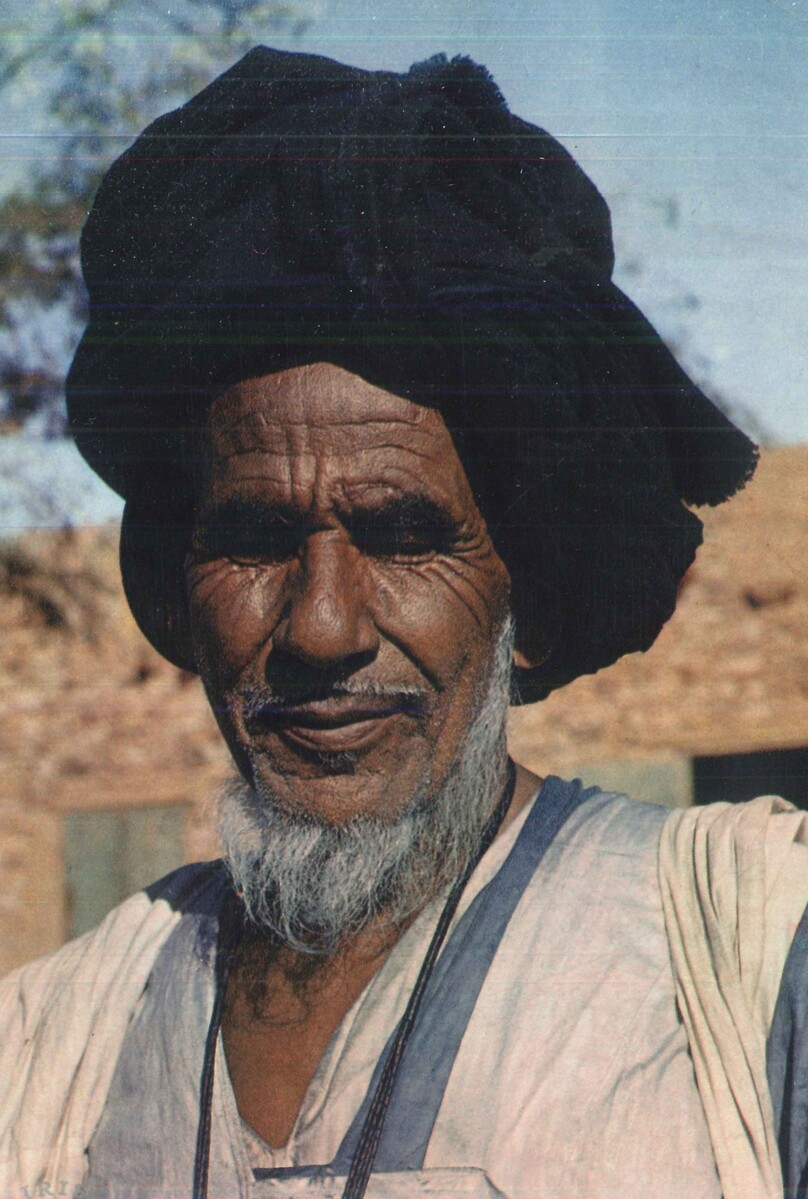
All photos are provided by Maria Radeva.
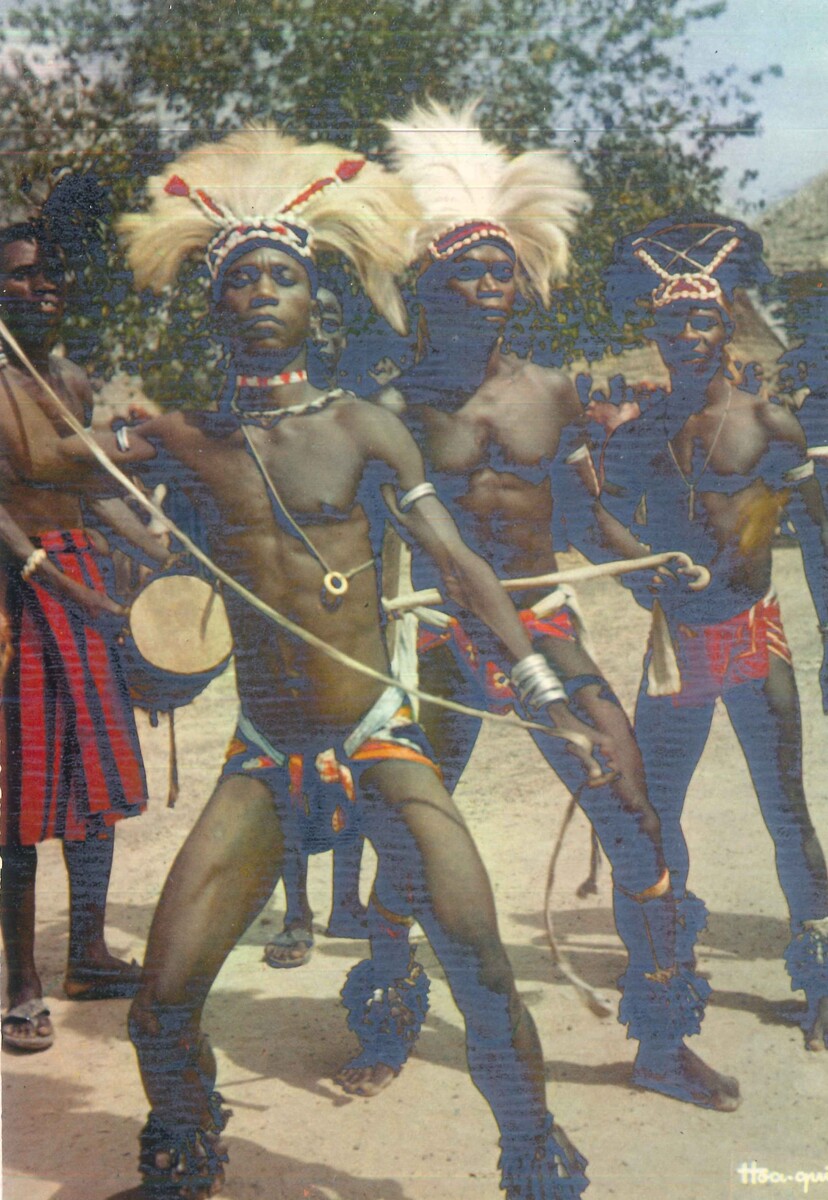
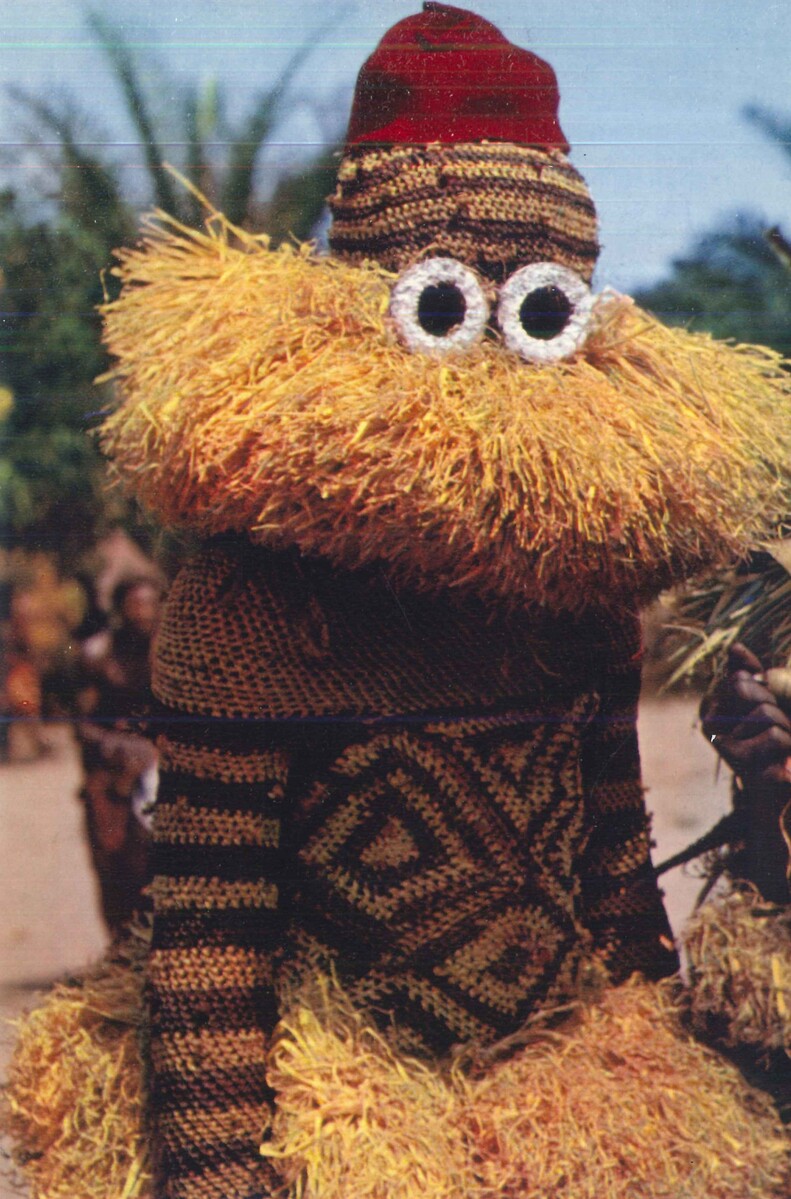
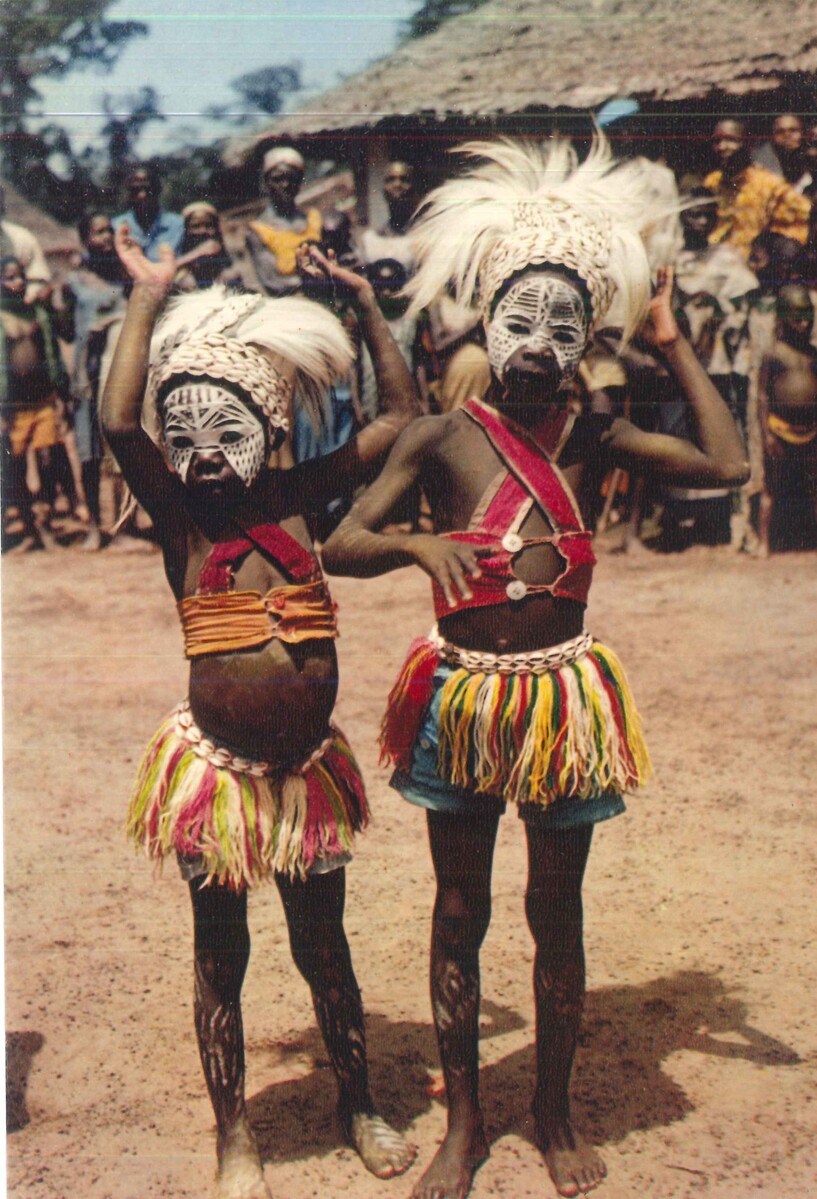
They are postcards, bought in the 1970s and 80s from North AfricaMalawi, Tunisia, Algeria, Mauritania, Morocco, Ghana.
Next installment: Russia. One hundred years of solitude
If you have made it this far, the series has more articles:
1. Series: „A journey with magnets“
See more about the author Darina Vankova here