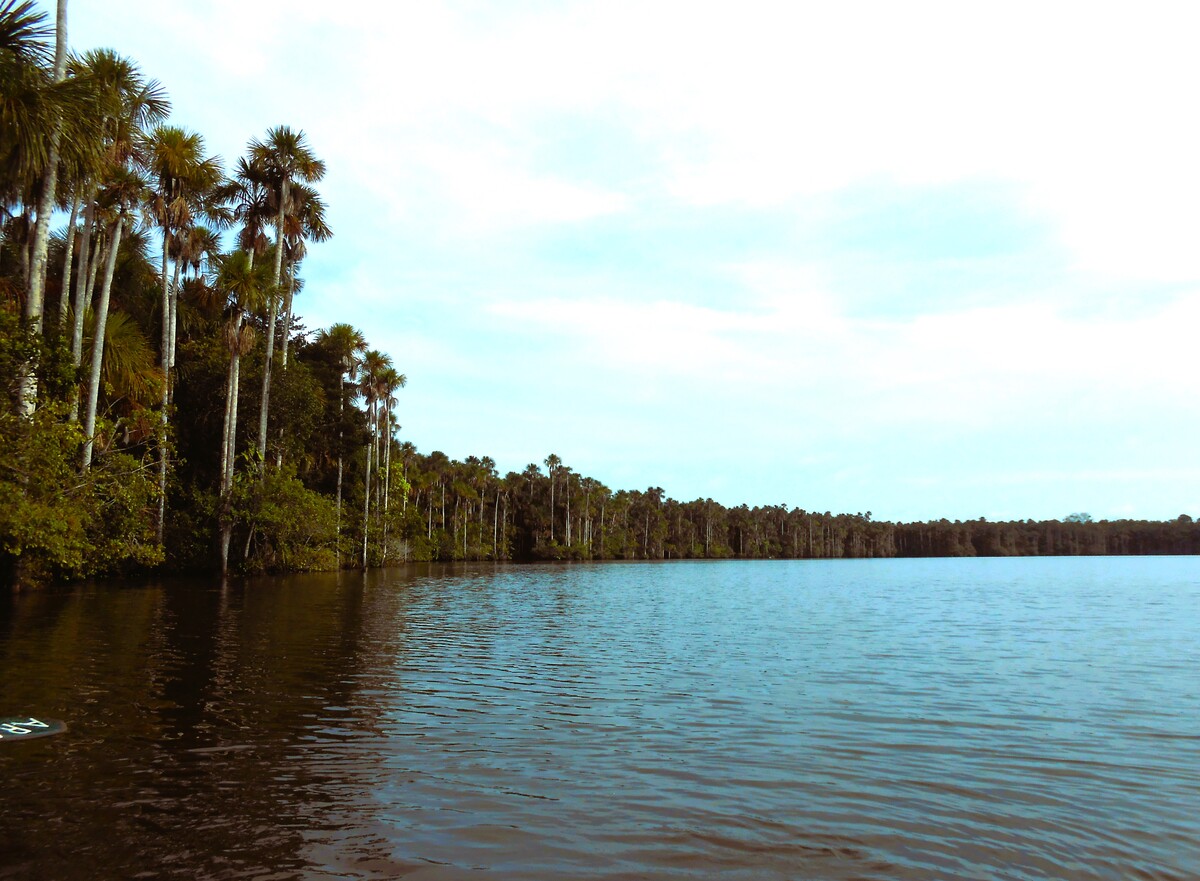
Sandoval Lake Expedition
You missed the beginning, look here:
Peru and the Amazon Rainforest: An Adventure in Puerto Maldonado – Part 1
You can read the continuation here: Eco-village „Amazon Paradise“ – Part 2
We are heading to the jungle
Today we will dive into the Amazonian equatorial forest or simply Amazonia.
This is a vast belt of equatorial forests located in the Amazon River basin.
The Amazon rainforest is the largest rainforest on the planet and spans territories in eight countries, as well as French Guiana. The Amazon basin is a vast and extremely complex system of forests, rivers, wetlands, and countless different ecosystems.
From now on, everything is Hey!
Amazonia is among the places with the greatest biodiversity on the planet. A vast portion of the species are not yet fully studied. Some of the longest and most water-abundant rivers on Earth flow through the region, and the Amazon is the most water-abundant river in the world.
It is also the largest tropical rainforest in the world.
Who „discovers“ it for Europe?
The name Amazonia and the name of the river are associated with the Spanish conquistador Francisco de Orellana.
In 1541, he joined the expedition of Gonzalo Pizarro, which was searching for the mythical El Dorado. Later, Orellana separated from the main group and continued down the Napo River, and in 1542 he reached the Amazon River and followed it all the way to the Atlantic Ocean.
And here comes the interesting part.
During the journey, the expedition claimed to have been attacked by female warriors. The expedition's chronicler, Gaspar de Carvajal, describes the clash, and Orellana connects what he saw with the Amazons of ancient Greek mythology.
Thus the river gets the name Amazon.
Whether they were truly legendary female warriors or the Spaniards interpreted what they saw in their own way remains a controversial history.
But the legend has survived.
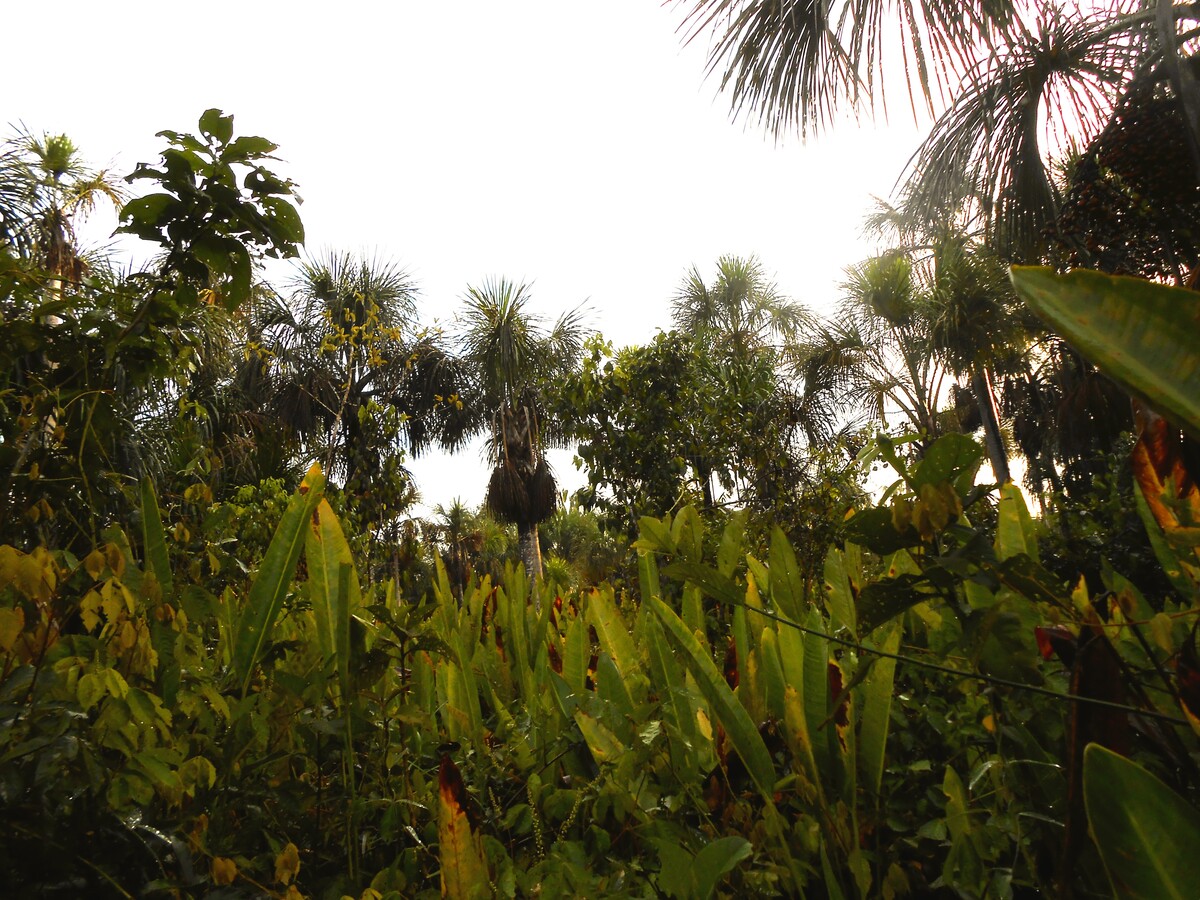
A few interesting facts
The Amazon rainforest has an extremely ancient history. Data indicates that the region's tropical rainforests have been part of the South American landscape for tens of millions of years, with their history stretching back at least 55 million years.
And did you know that there is a connection to the Sahara?
There is!
Saharan dust crosses the Atlantic Ocean and reaches the Amazon. It contains phosphorus – an essential plant nutrient that is limited in many Amazonian soils. A particularly important source is the Bodélé Depression in Chad.
And the satellite of NASA CALIPSO measured the scale of this journey. An average of about 182 million tons of dust leaves the Sahara annually, and approximately 27.7 million tons reach the Earth's surface in the Amazon basin.
Can you imagine?
The Sahara feeds the Amazon
People were here long before the conquistadors
It has long been believed that the Amazon rainforest was sparsely populated because poor soils and dense vegetation could not support a large population.
Archaeological discoveries in recent decades have changed this perception.
People lived in Amazonia more than 10,000 years ago, and new research shows human presence in the region as early as about 13,000 years ago.
And in 2003, in the region of the Xingu River, remains of large ancient settlements were discovered, connected by wide roads, squares, bridges, canals, and other structures. Some of these settlements were inhabited by thousands of people.
So the jungle was by no means that empty green wasteland that Europeans imagined.
And who is destroying this incredible ecosystem?
You have already guessed.
The bipeds!
Deforestation due to agriculture and livestock, logging, roads, fires, mining, and oil extraction – all of this is changing the Amazon. And the pressure on the forest continues.
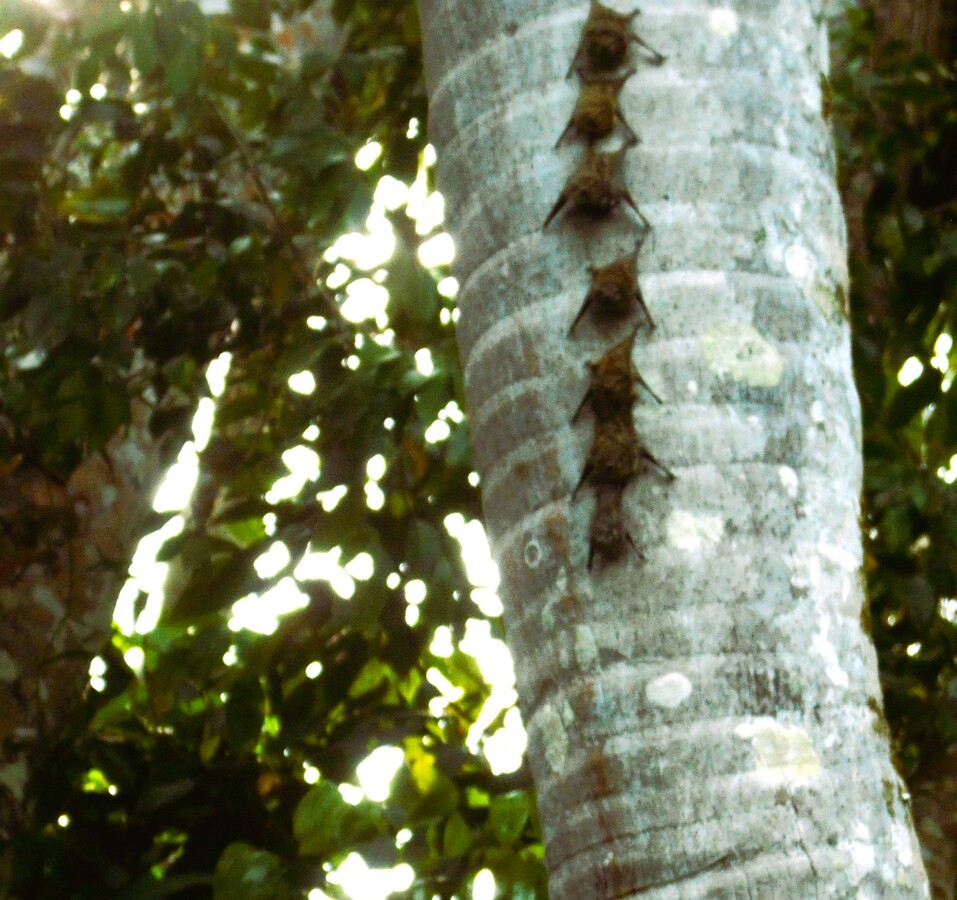
A few words about the Peruvian Amazon
In Peru, the Amazon occupies a huge part of the country's territory and is a completely different world from the Andes and the coastal regions.
Here local communities have different languages, traditions, and ways of life. There are rivers, wetlands, giant trees, palms, monkeys, birds, caimans, giant river otters, and countless insects.
And after these facts, which I hope haven't bored you...
Another adventure is beginning.
We get up at 3:30 or 4, however everyone organizes themselves.
We need to have breakfast at 4:30 and at exactly 5 we leave for Lake Sandoval.
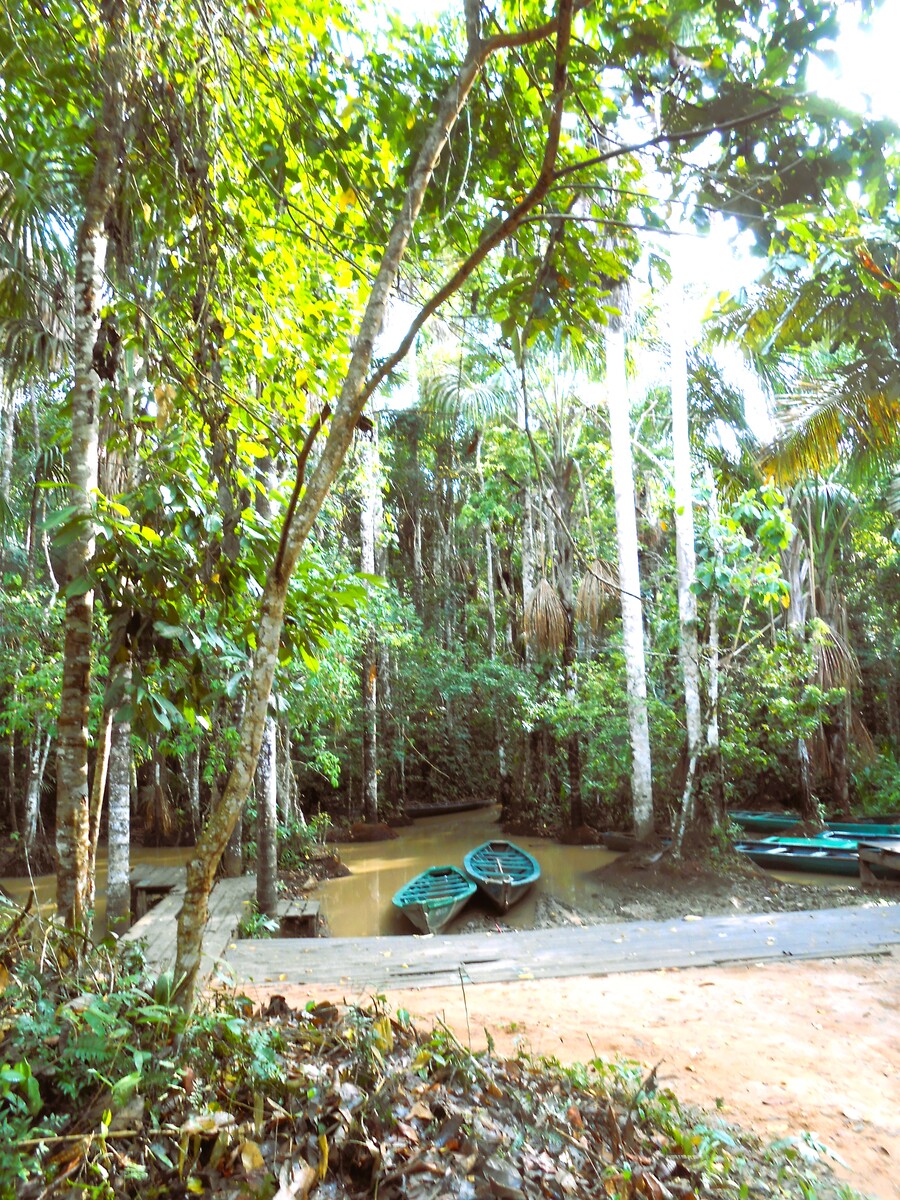
Lake Sandoval, Peru, Amazon Rainforest
In short, if it can even be described briefly:
A divine lake located in the Amazon rainforest, deep within the Tambopata National Reserve.
Lake Sandoval It is a typical Amazonian oxbow lake, surrounded by dense tropical vegetation and rich wildlife. The area is known for sightings of birds, monkeys, caimans, piranhas, and giant river otters.
If you want to reach the reservoir, you need to walk a few kilometers through the jungle.
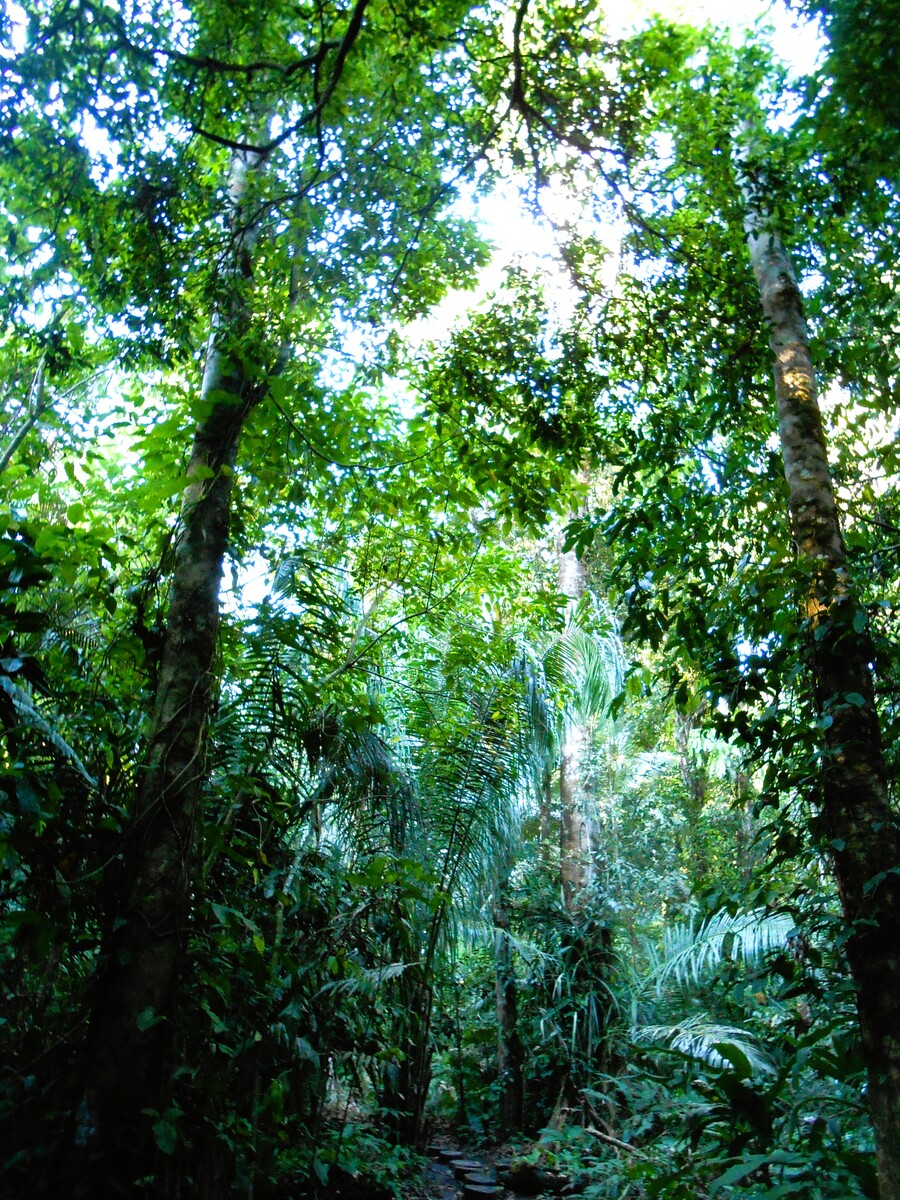
We set off from our camp along a specially made path – a clearing. On both sides, huge trees and dense vegetation stand in an alley.
You briskly walk along a frozen wooden pontoon over a muddy, dark orange, clay road.
There was a tropical storm all night and it rained torrentially.
I don't feel like walking on the ground...
Boats are waiting for us on the lake shore.
With our companions—four young men from the USA, strong and healthy college lads—we get into a canoe.
Our guide tells us that we're now going to explore the flora and fauna.
As soon as I took my first stroke with the oar, a huge poisonous spider surfaced—almost as big as a child’s palm…
Wonderful start!
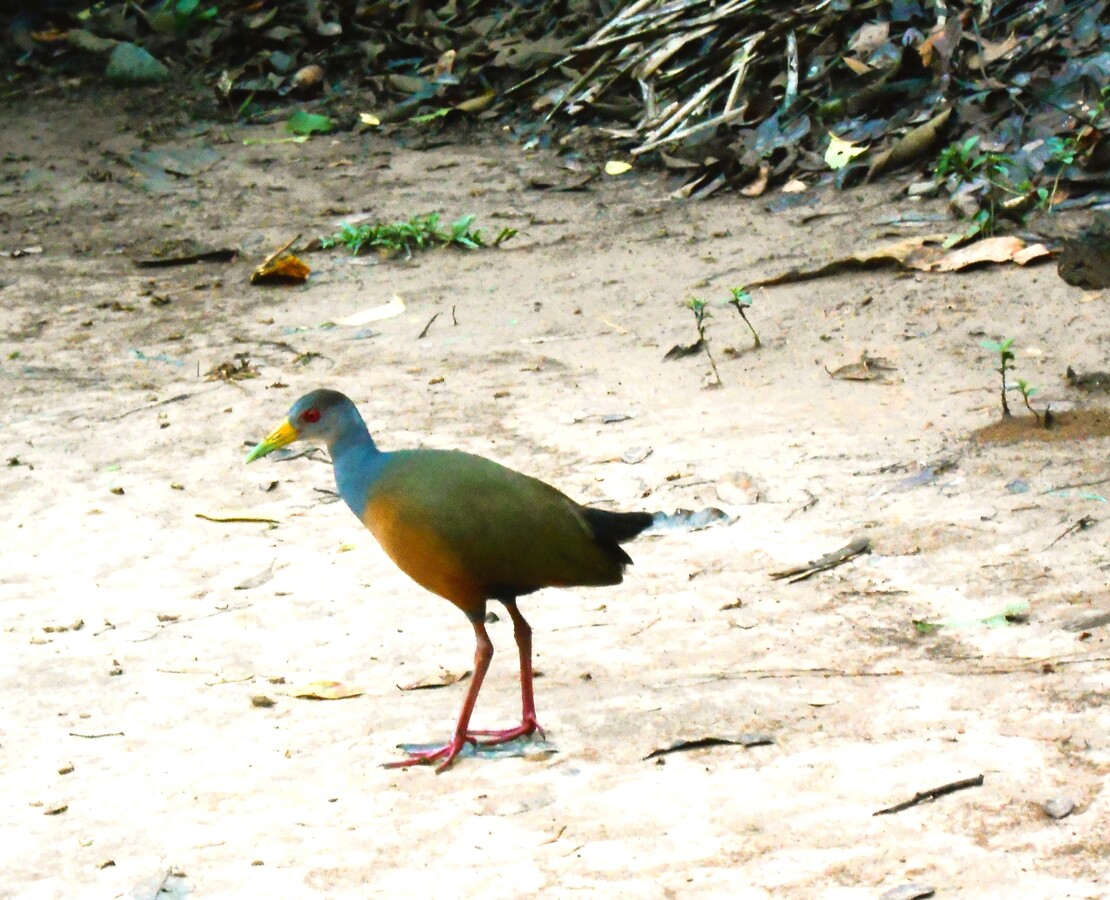
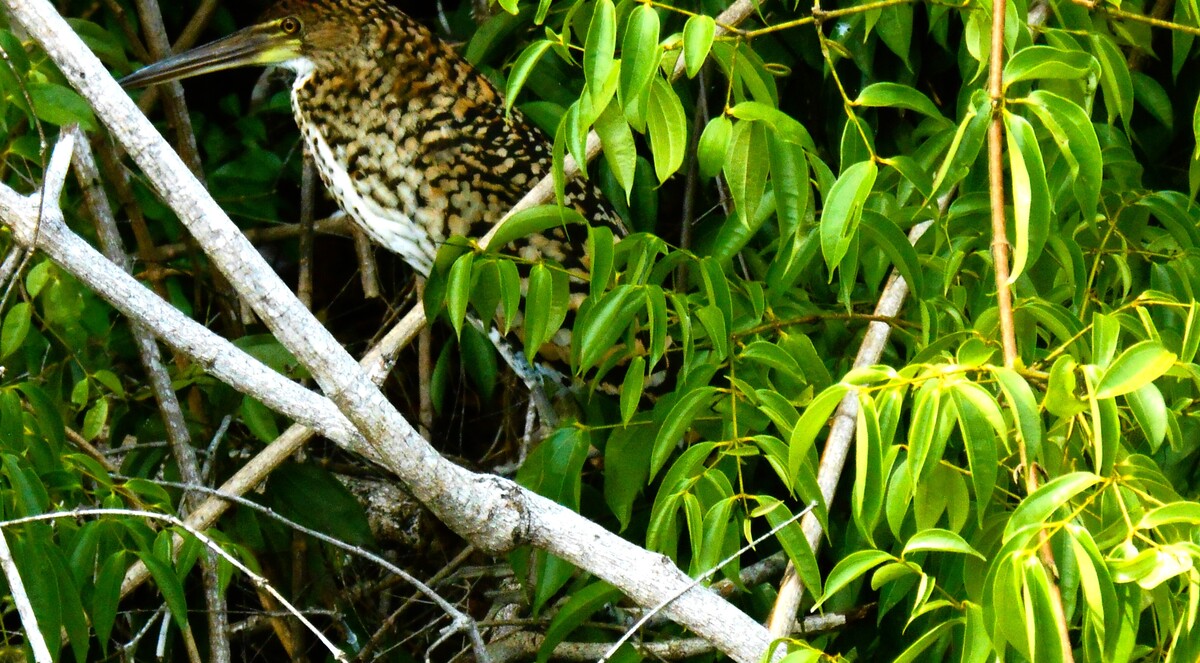
Lake Sandoval is home to caimans, giant river otters, monkeys, and many species of birds. We were lucky and mostly saw feathered ones.
For ornithologists: hoatzins, kingfishers and cormorants.
For zoologists – different species of monkeys: squirrel monkeys, capuchins.
We had an incredible opportunity to enjoy the performances of giant river otters.
They say that with a bit of luck, you can „spot“ large caimans and anacondas...
It didn't happen to me, maybe for the best.
And insects are in abundance – the tourist feels them immediately, even with several layers of repellent.
The canoe trip turned out to be unforgettable.
We used a motor, but in order to observe, the driver turned it off and the young people took turns quietly rowing the boat.
Here is the lake itself in a short clip:
Recommendation: You should make sure to bring plenty of water. Before the boat ride, there’s a wooden shack where they sell water and soft drinks, but they’re quite pricey.
Wonderful world
After dark, you can walk around the lake again to see those jungle inhabitants that are only active at night.
But we had a program to sail on the Amazon on a photo-safari for caimans.
We are approaching one of the shores very slowly.
Our driver turns off the engine, and the youths carefully and silently press on the oars.
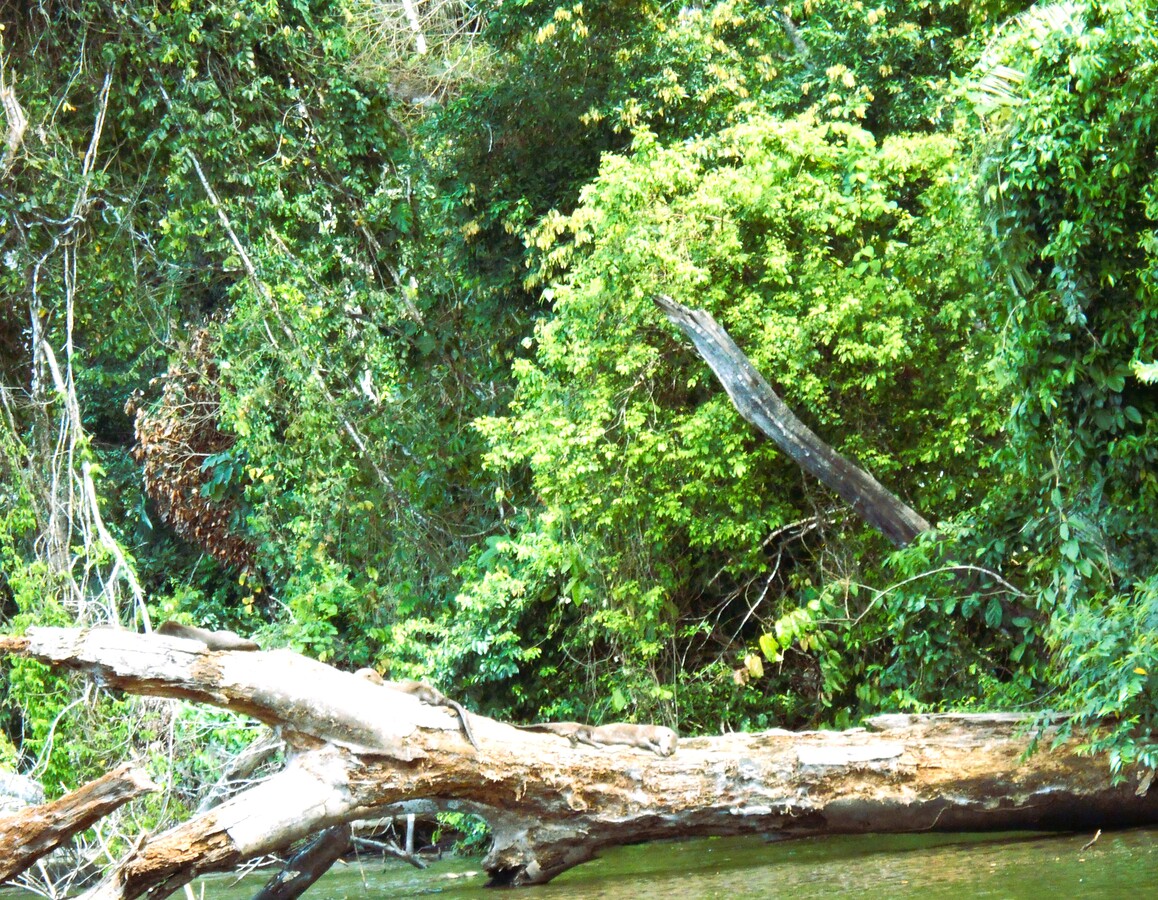
Huge otters have settled on two fallen trees.
We stopped about 10 meters away from them.
They are not paying any attention to us at all.
Some are lying down, others are cuddling and caressing.
They are tanning.
Their fur glistens in the sun.
They are huge – maybe over a meter... With beautiful, slightly slanted eyes. I called them Japanese otters.
If one of them gets too hot or bored, she gracefully dives into the water.
And the water is teeming with piranhas...
We shouldn't put anything inside. She seems calm.
But every now and then one pops out and does a dive back into the water.
Canuto docked in a small bay
We climbed up a steep labyrinth in the bank to a meadow.
With two houses.
Among the trees: hammocks strung up, a few wooden tables, and benches.
A family of indigenous Peruvians offers lunch, a restroom, and temporary shelter for rest.
I personally skipped lunch.
I was just scared to eat rice, meat, and vegetables with spices wrapped in a palm leaf. The hygiene was questionable...
We have one like that in the camp.
We return to the lodge, lunch, and rest.
In the late afternoon, we head out for a short hike in the jungle, where we will be able to see some nocturnal animals and insects.
The demand is for insects...
Our guide has a powerful flashlight.
It's exciting because we are going deep inside and it's pitch dark.
But we are walking on a path.
We have been warned – not a step aside…
It is clear that I cannot film anything.
This requires preparation.
But it is so interesting.
I am wrapped up in whatever I can...
Hat, mosquito repellent, and long-sleeve shirt.
I'm covered in repellent, but I think I'm the only prey for the tiny and sneaky midges…
Nothing, I just hope he isn't infected with yellow fever, I can handle the rest.
That is why I am sharing a few more photographs from the lake.
Overnight stay amid the sounds of the jungle
Oh, how they didn't shut up all night!
They take turns – at certain hours they are clearly different animals.
The birds are at dawn.
Covent Garden has got nothing on this.
Such trills are ringing out.
It's surprising that I haven't slept for three nights now...
But in the morning, I am fresh as a daisy.
In the afternoon, we have an extreme walk on rope bridges, ziplining, a night walk in search of insects, and...
drinking rum. But before that, whoever can drinks ice-cold beer and dozes in a hammock!
Above the jungle
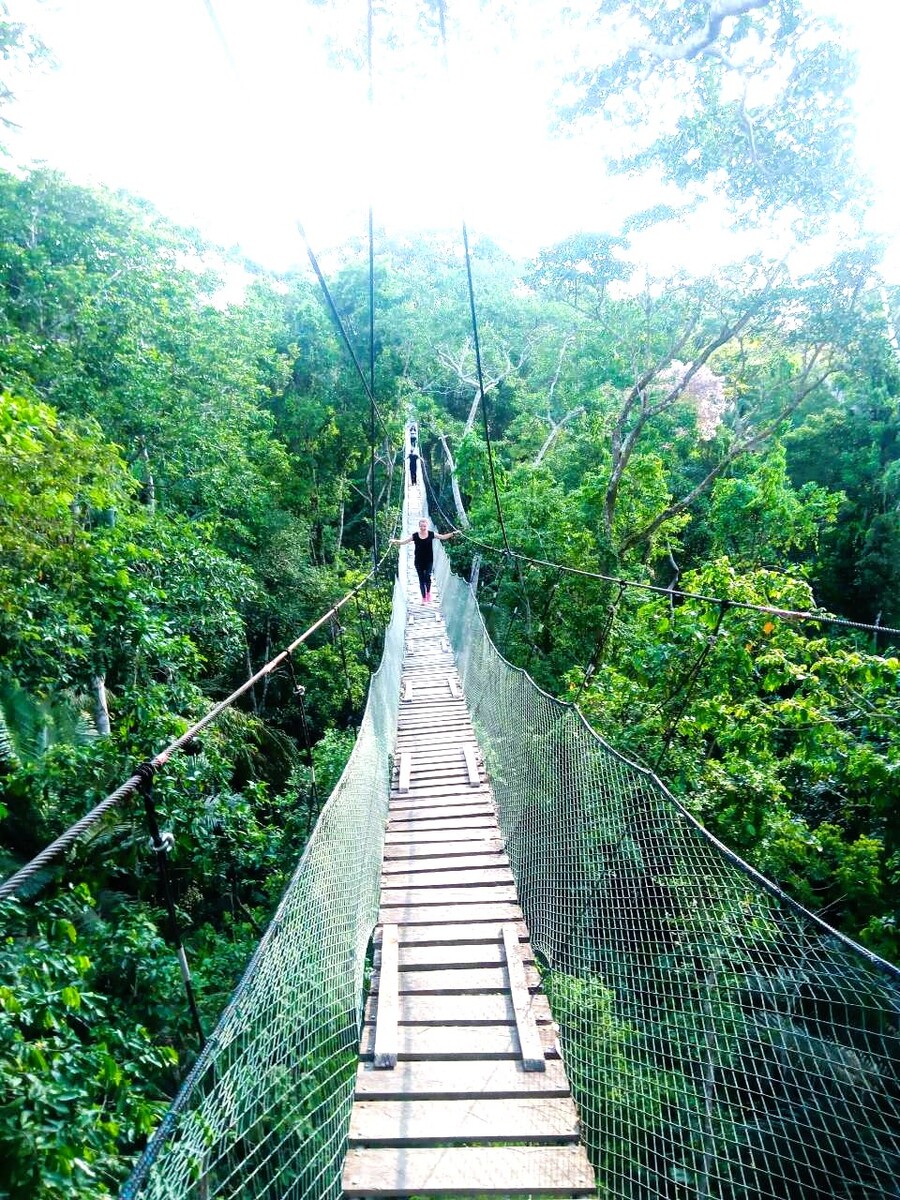
Rope bridges are an adventure.
I am climbing a huge ficus-type tree, 30 meters above the ground.
We are above the tree tops, or at least most of them.
We are in for a 300-meter walk above the ground, suspended over the jungle, closer to the sky…
It is beautiful.
I am climbing with the daredevils up something like a wooden tower with a ladder on the inside, attached to a huge tree.
I'm just going to take a picture.
I cannot cross this rickety bridge—and there are several of them from tree to tree.
Over the abyss.
I'm getting off and going to the place where they will descend.
It’s extreme with a „trolley“ – just imagining the helmet and the protectors, which are soaked in someone’s abundant and varied sweat...
The view gives me enough adrenaline.
I am skipping the trolley. I am not cowardly, but the intestinal discomfort is enough for me.
Rum and the Jungle
The evening flows into rum and cola in the darkness of the younger lodge.
I am drinking 8-year-old Cartavio. They are drinking the bar's Coca-Cola, Sprite, and Fanta.
We, the older generation, drink it neat. To disinfect the insides...
We've been hauling this rum for thousands of kilometers, it's about time we finished it off…
Exhausted, I go to bed at 9 p.m.
The night is full of forest noises, cries and songs… Once again the forest enters the bungalow.
Or we are in the middle of the woods...
Maybe I dozed off after all.
To Lima
Today our journey ends – we are parting ways with the Amazon rainforest.
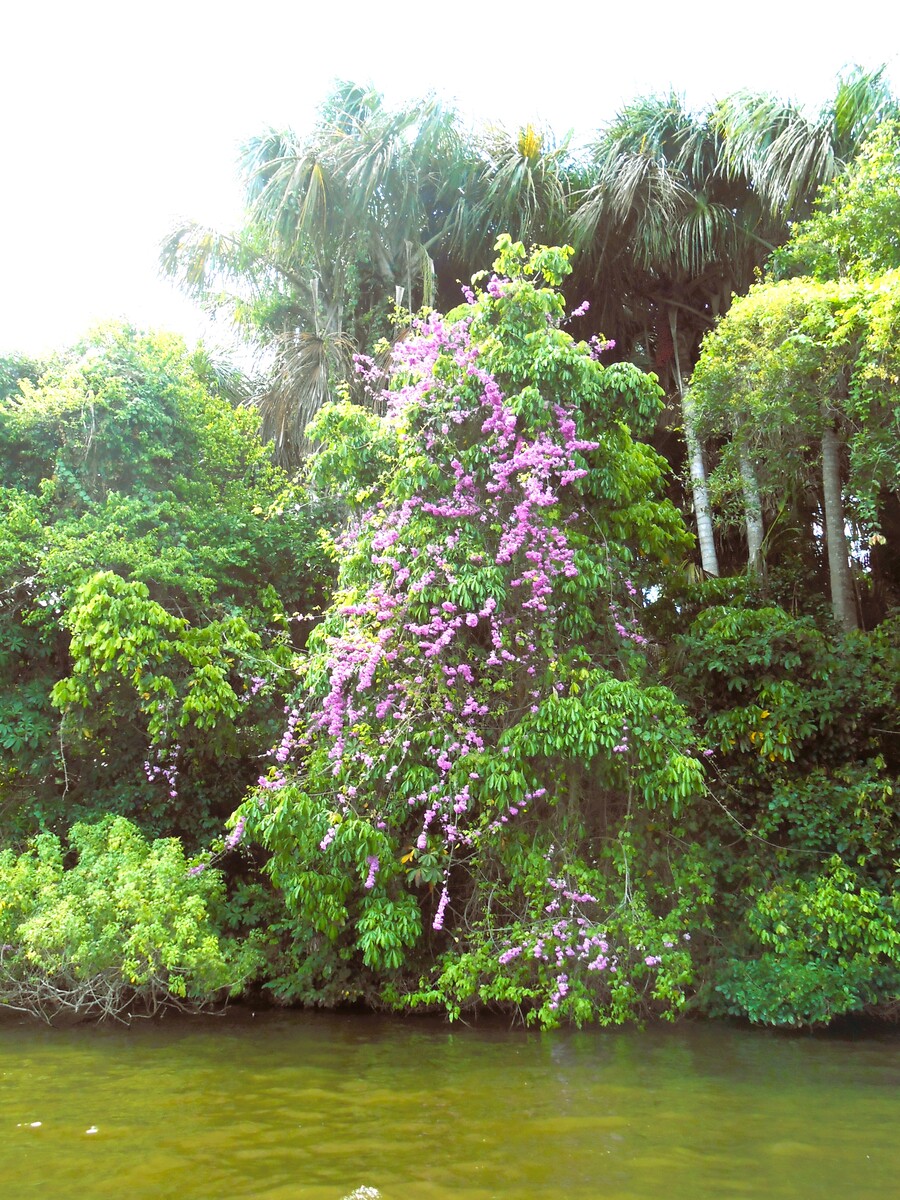
Back in the boats – down the murky, brownish-yellow river, back to civilization.
I am watching so that I can seal everything.
We pass similar small boats loaded with families and luggage. They wave to us – we wave back.
We are flying to Lima.
We are parting ways with the jungle
The flight is delayed.
The turbulence is terrible.
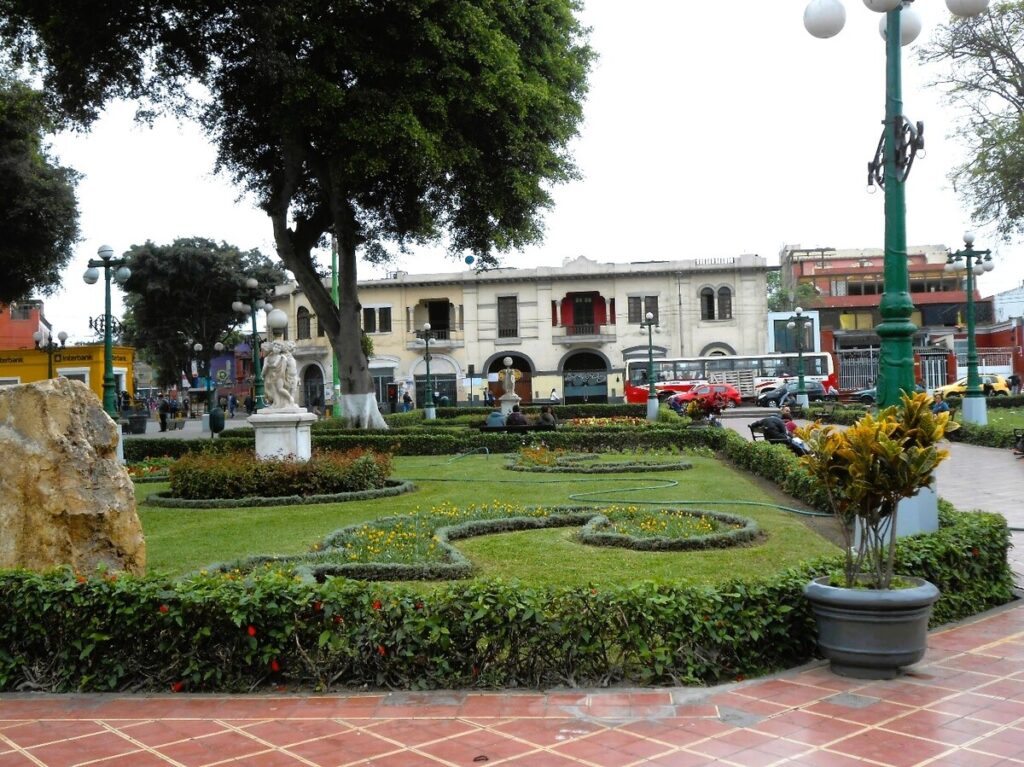
Lima seems like another world to me. I like Lima.
The capital is another face of Peru, a way to experience the country.
At the other end of the spectrum, beyond nature, history, and poverty, the „Western“ reigns here.
We are returning to the civilization and mindset we know.
We sat in a very nice neighborhood establishment – something like a pizzeria. Everything is made and served with great taste. These Peruvians are big aesthetes.
A nice young couple is serving us—the guy is at the bar and the girl is waiting tables.
In a bit, a bar with music and cocktails…
And only hours ago we were on the edge of the jungle, where life has a completely different dimension, running at a different speed: sweaty and sluggish, subservient to the rhythm of nature.
Is this the same Peru...
Are we the same people?
End of the epic „Amazonian Peruvian Jungle“.
Video by Teodor Botev
I offer to the reader's attention a clip from Teodora Boteva, who tirelessly, throughout our entire stay, filmed with a camera on her head:
See more for the author Maria Radeva here: