Editorial note
The text is part of the author’s series „Journey with Magnets“, revealing personal memories, observations and reflections of Darina Vankova. In this series, the magnets from the refrigerator become an inspiration for shared thoughts and stories.
Historical, cultural and political themes are examined through the artist’s perspective and do not represent the position of TEA.
If you have reached this far, the series has more articles:
1. Series – A journey with magnets
2. Bulgaria. Pride and prejudice
3. Africa. The Heart of Darkness
Russia – a country between two worlds
„One hundred years of loneliness“, but not by G.G. Marquez.
Actually, much longer. It has always been a lonely country, and the reason for that is its uniqueness.
Embedded in Asia and striving for the civilized charm of Europe, Russia is doomed to be neither fully accepted nor completely rejected.
She is the exotic beauty from the outskirts of the bourgeois neighborhood, admired by men and unwanted by her husband, who tries to conceal her immigrant background with luxury clothes from last season.
They say that the Balkans have more history than they can bear. Russia probably has too much geography.
The plane to Moscow was huge. Its friendly hum was heard and felt by officials on business trips, students, a few tourists, and many workers for the Commission. It was the time of red flags, fraternal friendship, and free medical care, a colorful mix of hope, despair, illusions, and gloomy foreboding at the twilight of an empire.
The difference was already felt at the Moscow airport. Instead of the big-chested, awkwardly dressed Bulgarian officials, we were greeted by stern young men with pursed lips. We were all tense and silently pushed our large suitcases towards the exit, as if reluctant to leave the gray womb of Sheremetyevo. The Empire awaited us outside.
I stepped out and took a deep breath. Moist and cold, drawn from the Asian steppes, mixed with the breath of Siberia, it flowed through the Ural Mountains and was seasoned with the smoke of the proud chimneys of the socialist industry.
The feeling was of something powerful and unknown, like a huge wild animal that you can’t tame. I felt simultaneously repelled and attracted. I was used to the comfort of our small capital, the picturesque sub-Balkan towns, the lianas over the heated courtyards in the summer, and the transparent mist in the narrow streets in the fall.
Russia was something completely different, frightening and in its own way wonderful. A country that was large not only in terms of territory, but also in terms of the breadth of thought and endless possibilities.
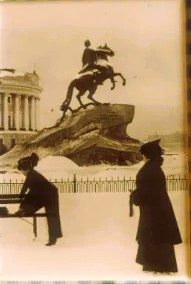
Russia in Sofia
We Bulgarians have an unshakeable emotional attachment to Russia; mention it in a conversation or post it on social media and no one will remain indifferent. Loved and hated, praised and insulted, it is a part of everyone's life.
A few days ago I went for a short walk in the center of Sofia. Russia was everywhere.
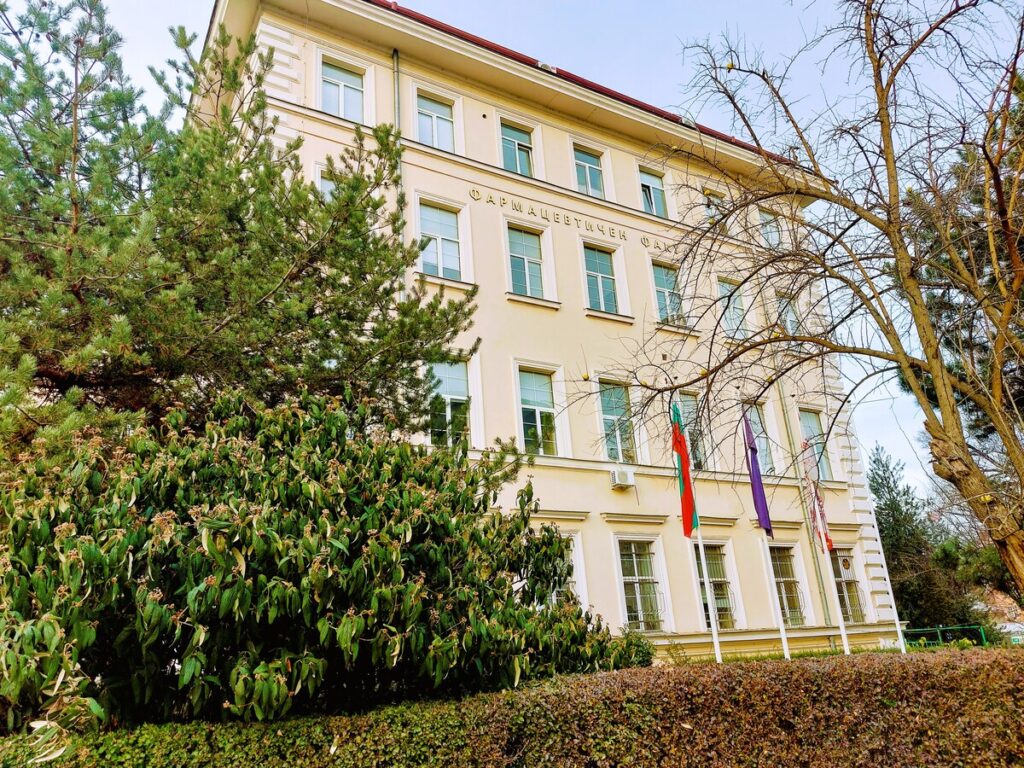
The bells of the neat Russian church rang out against the drone of the cathedral designed by Pomerantsev. Not far away, students from the 133rd school were taking another lesson in Russian. The state administration had taken refuge in several buildings built in the pseudo-Renaissance, cumbersome and somewhat naive Stalinist style. In the theaters on Rakovskiy Street, performances of Chekhov’s plays were being prepared. Someone had written on the wall „outside, red Communists.“ In the Bulgaria Hall, they were expecting a famous Russian virtuoso, and in the bookstore a girl was buying a novel by Dostoyevsky.
Lots of politics, powerful business, thanks for the help of our national independence, a handful of hatred, oppression of Orthodoxy and a pinch of culture.
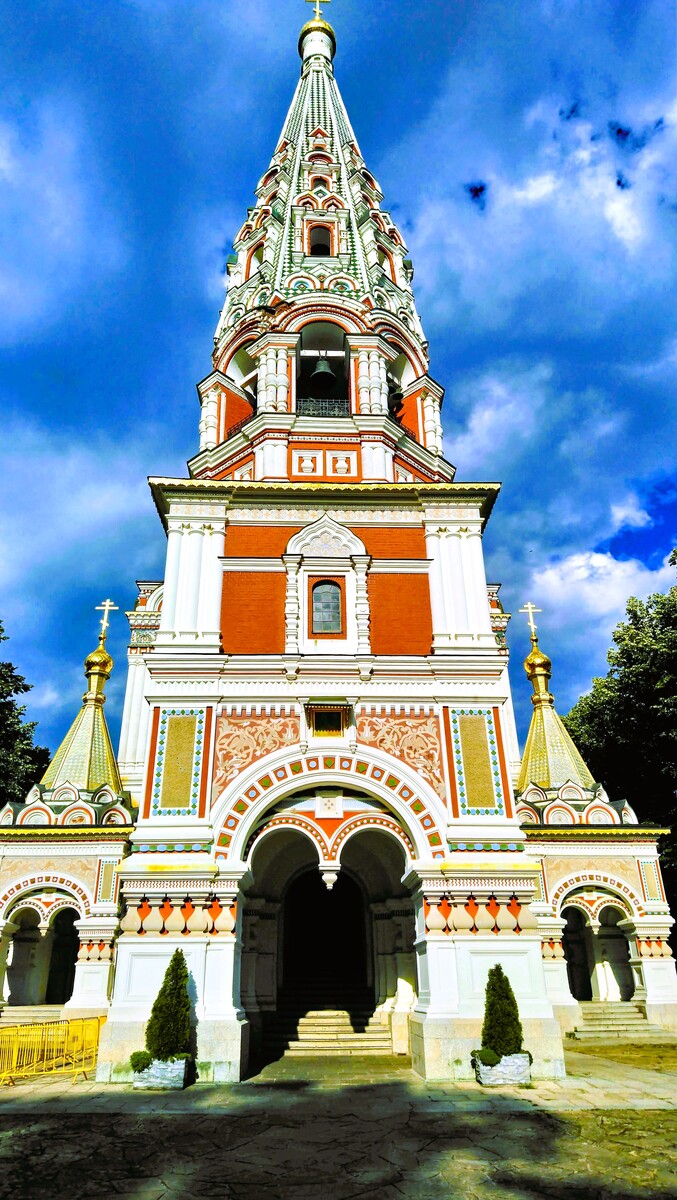
The two symbols of the Bulgarian attitude towards Russia
There are two symbols of the Bulgarian attitude towards Russia.
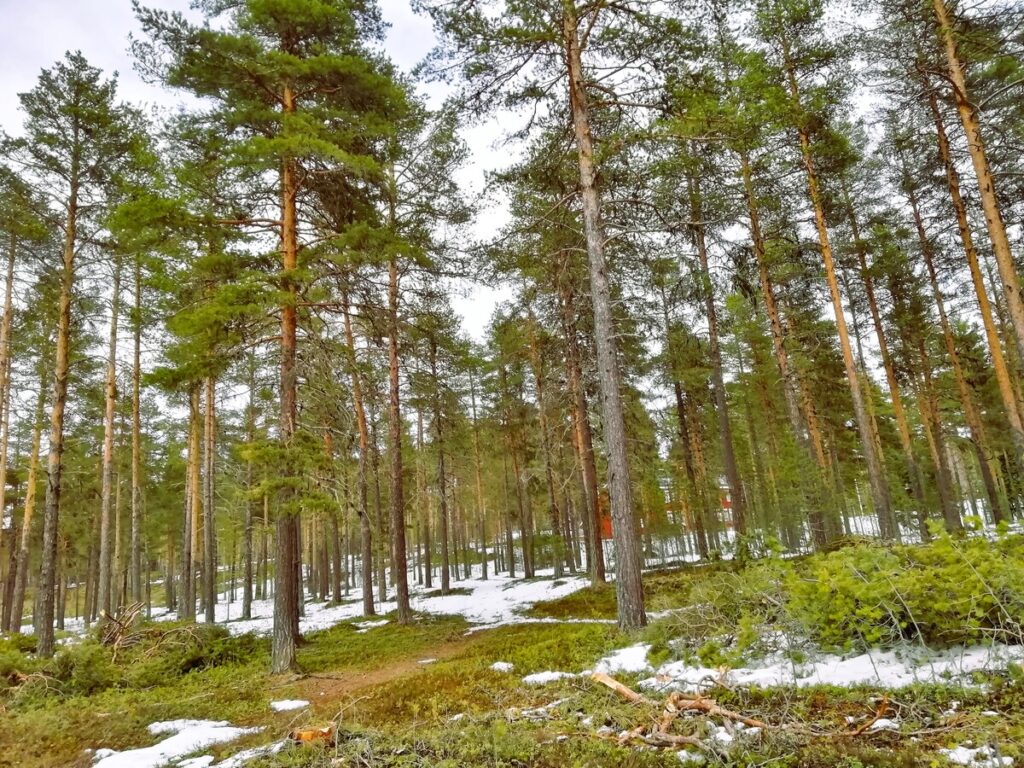
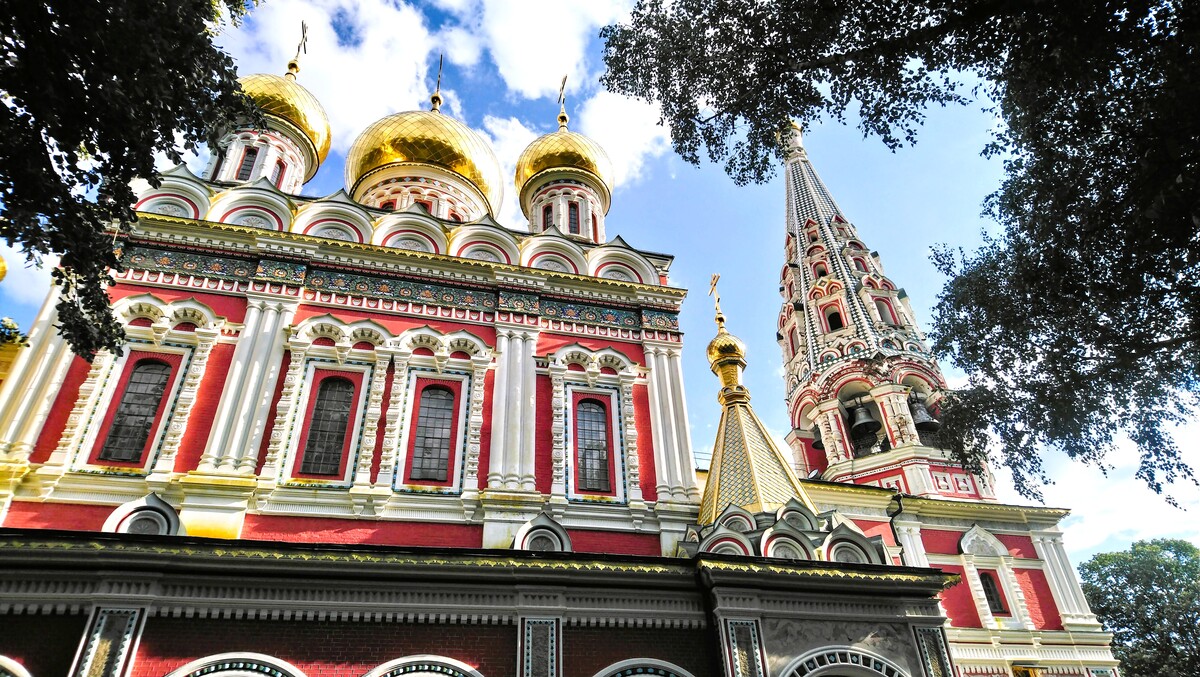
One is in the city Spruce. There the Russian church shines with gilded domes, winding white friezes and a spire with its walls. Rich and beautiful as a festive cake, it seems to have accidentally found its way among the dark forests of the Balkans. It embodies everything we would like to remember – the outstretched hand of help, protection and sacrifice, the white horse on the spire. Stotolev, The march of the „Muscovites“ to victory.
Regardless of their natural imperial interests.
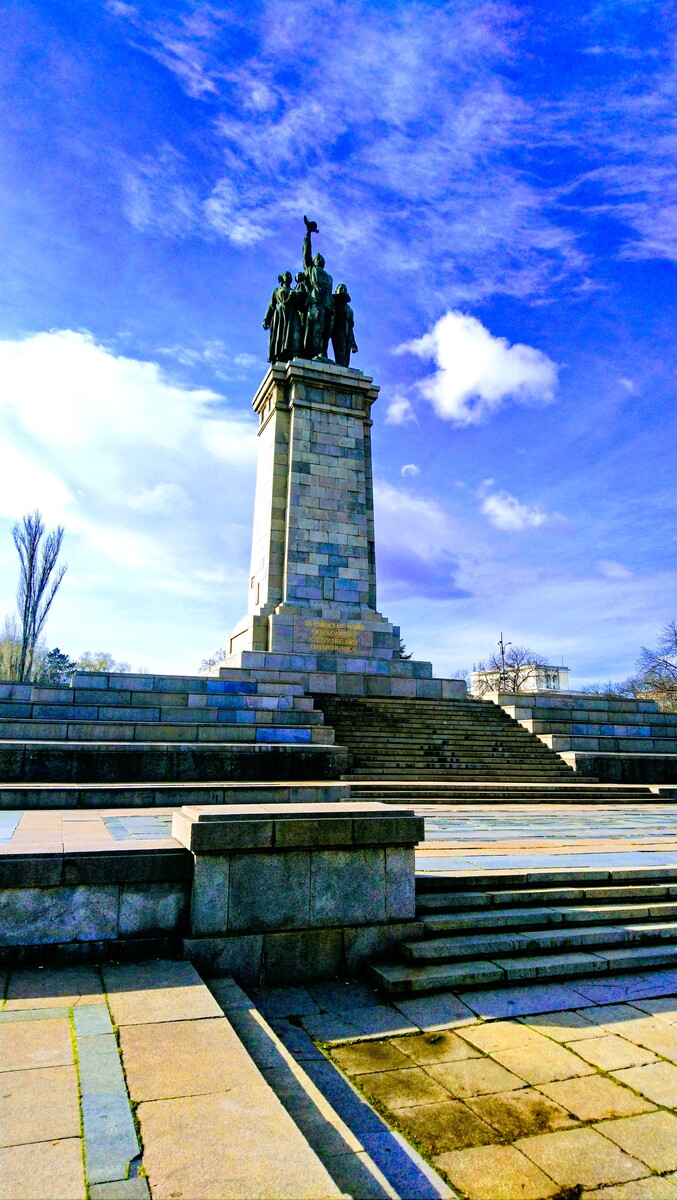
The other building is the monument of the Soviet Army. If we forget its symbolic meaning and carefully and objectively examine the statues, we might even like it. It is a testament to the development of art at that time, to the taste and way of perceiving reality – such realistic, slightly crude and intrusive messages were created, but vivid and impactful works were created not only in the Soviet Union.
Remember the enormous heads of American presidents carved into the rocks, or even the large and colorful brides and apples in the Master's paintings.
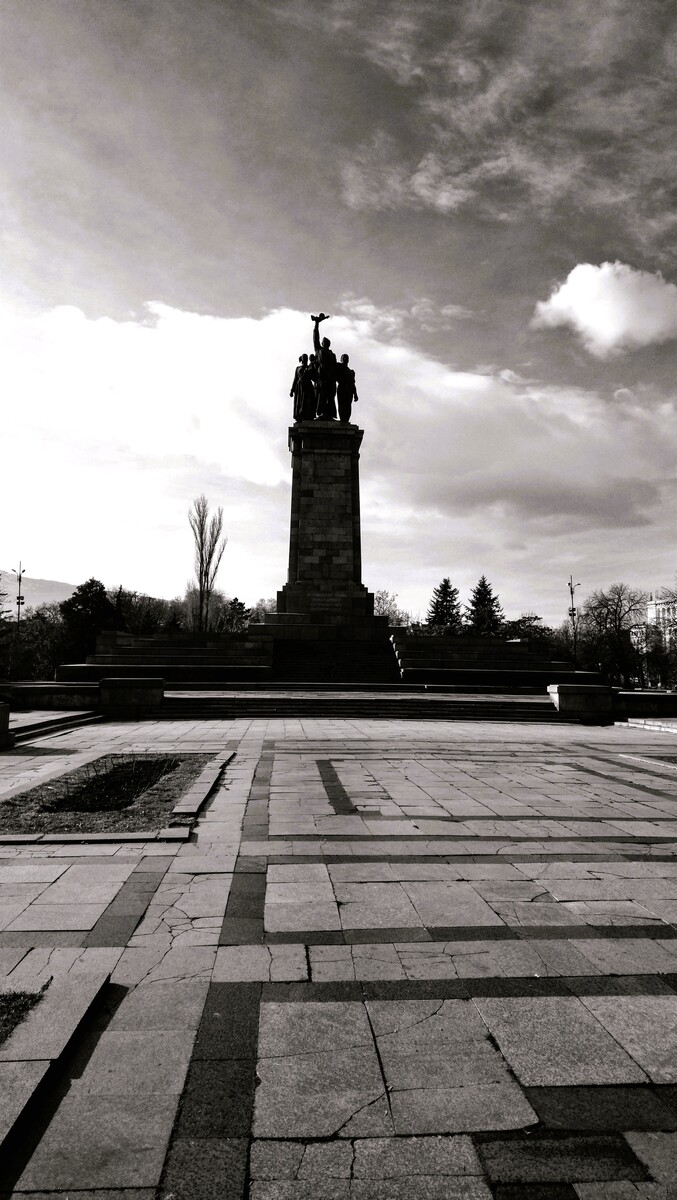
Monument to the Soviet Army
In any case, the monument to an army that did not fight on Bulgarian territory but established a military presence in the country in 1944 continues to fascinate the public to this day.
Shogbozhis paint the figures in colorful colors. Tourists enthusiastically take photos with their phones. Young people skate on the skateboards in front of the square, and in the backyard, lovers kiss each other.
On holidays, groups of Russophiles carry wreaths, and the Russophobic passers-by curse them in their minds. The monument lives its own life, unlike many other forgotten and neglected monuments. And on top of it all, a soldier has raised a „Schmeiser“ machine gun – a weapon that has become one of the most recognizable symbols of the Soviet military era.
This is the monument that many would like to forget. But they cannot.
Russia after the Soviet Union
Today Russia is very different from the Soviet Union of the time, although there is nothing wrong with flaunting its power and achievements and carelessly overlooking the numerous problems and shortcomings. It is no longer either the leader of the world proletariat or an Empire of Evil.
It possesses more self-confidence than it does capabilities.
It’s not exactly an empire, but it’s also not a national state – too weak for one and too big for the other. In fact, what exactly is it? The Russian bear is searching for its way and remains with bloody footprints in the snow.
All former empires have a similar fate – Turkey, Great Britain, and perhaps the USA are in a similar, independent role.
Empires, identity and new borders
They are probably looking for something that will blind their people into a unified nation – religion, myths, or just a slogan.
Taking back control after Brexit?
To make America great again?
Crimea is ours?
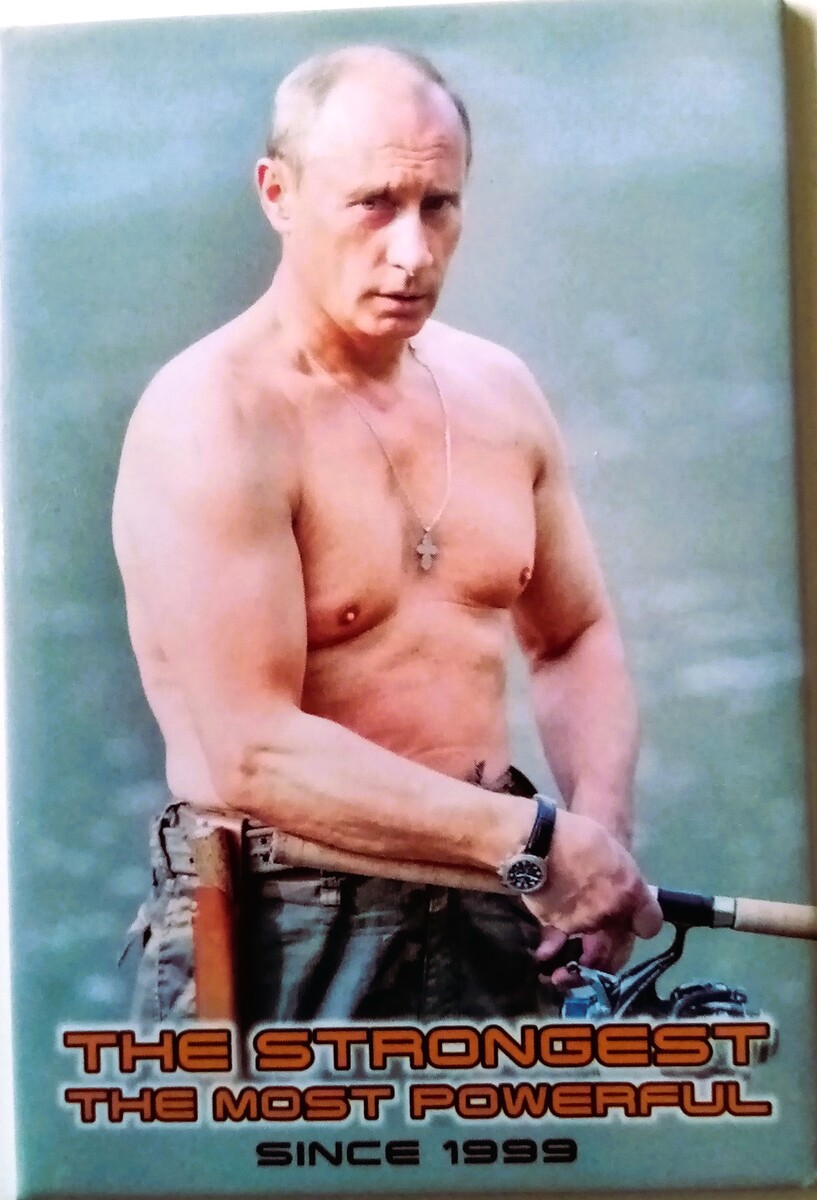
Putin and Erdogan, each in their own way, use religious identity in their attempt to give new meaning to the legacy of their empires. Crimea and Nagorno-Karabakh, the war in Syria, powerful armies and flags everywhere – I’m not sure if this is an act of strength or a sign of weakness. Are they ensuring the unity of the nation or are they the temptations of new empires?
We will soon find out.
The refrigerator tray
Years ago, tourist magnets weren't in fashion.
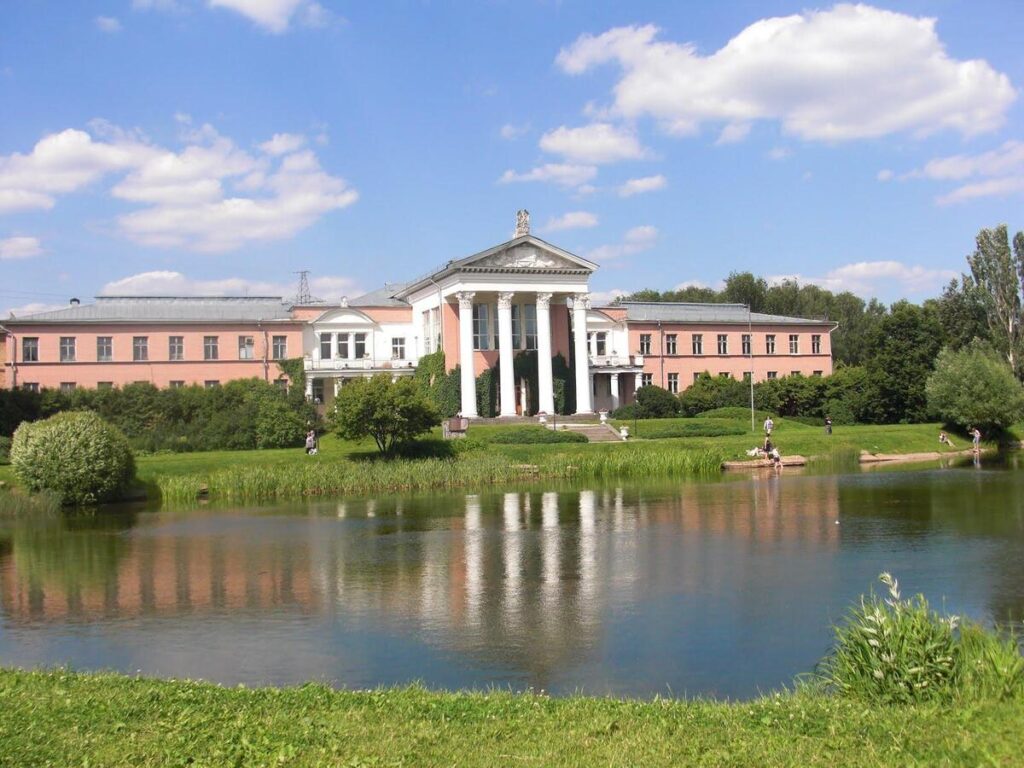
From Moscow, everyone carried tea sets. Mine was covered with gold leaves, a souvenir from a lonely walk in the Botanical Garden. It was one of the last sunny days of October, and I was probably the only visitor. I wandered along the paths of the former estate of some Moscow prince; the roses had been cut for the winter, and the greenhouses were closed.
It was neglected and wonderful, it smelled of smoke and humidity, and on the terrace in front of one of the buildings behind the dammed lake, it seemed as if the Czech heroes were sitting there and were urging them to flee to Moscow. Although they had already been there for a long time.
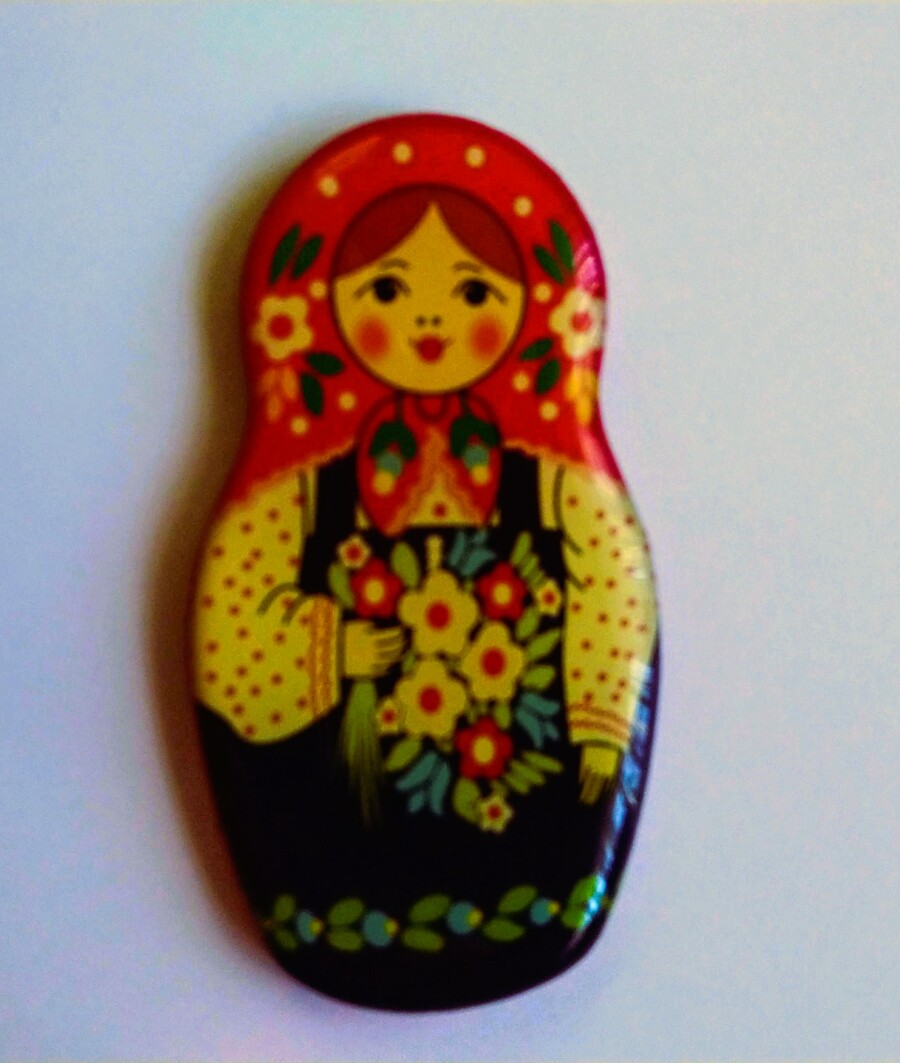
Today there is a matryoshka on my fridge. My friend didn't bring me a Red Square tower, a colorful church spire, or a shiny star on a leather earpiece.
The matryoshka is probably the most joyful Russian symbol, a rounded matriarchy with red cheeks.
It was probably exactly this that attracted my friend to choose it from the souvenir shop.
In this wooden doll, however, another one gets confused, and then, to everyone's surprise, a third one and maybe many more after that.
Is not the mother cell the embodiment of the eternity of life, the infinity of creation, the transmission of the genetic code from mother to daughter, the spiral of the repetition of fate?
My friend may have sensed something when she chose the souvenir.
After a while, a grandchild was born and she herself became a matryoshka.
Editor's note:
The photos of the Monument to the Soviet Army are now archival.
Unique.
Historically.
So we thank Darina Vankova for capturing it in time and keeping it.
See more about the author Darina Vankova here.