Cities of Peru
Part two
After Lima We continue our journey through Peru. We are heading to cities with different characteristics, ancient history, colonial architecture, high mountains, folklore, and finally – a desert oasis. It is a journey through so many different worlds that sometimes it is hard to believe that you are in the same country.
If you missed the first part – it’s here – Lima – Glitz and contradictions of a South American country
Cusco – the heart of the Inca Empire
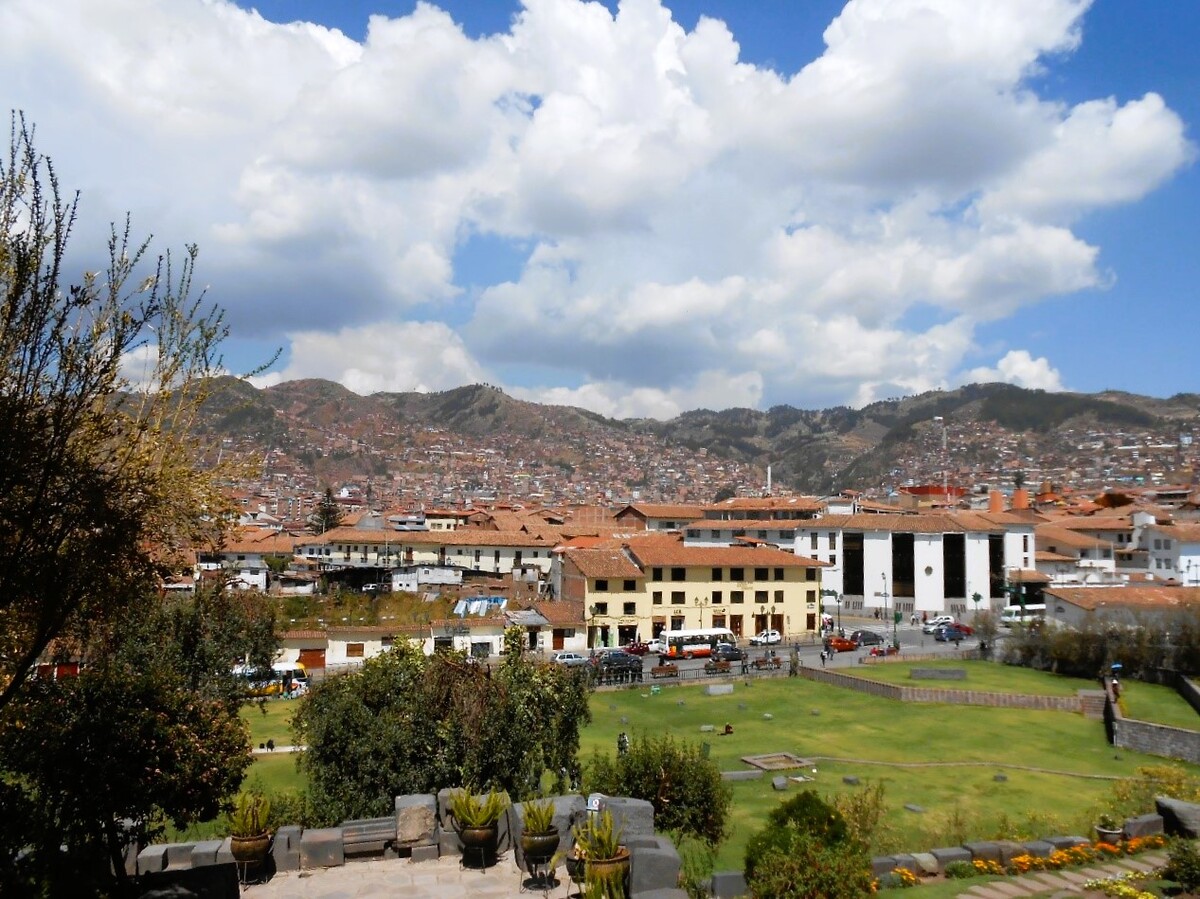
For Kusco I have a whole travelogue dedicated to this remarkable city, so here I will only summarize my impressions of the atmosphere.
The steep houses on the steep slopes very vaguely reminded me of Veliko Tarnovo. But here the rarefied air and the great legacy of the Incas, the symbiosis between historical cultures, are my most vivid experiences.
Cusco is located at an altitude of about 3400 meters above sea level. It was once the capital of the huge empire Tauntinsuyui, After the Spanish conquest, churches and palaces in European style were built on the foundations of the Inca city. It is this blending of two civilizations that gives Cusco its unique appearance. The city is included in the UNESCO World Heritage List.
Arekapia – the white city under the El Mysti volcano
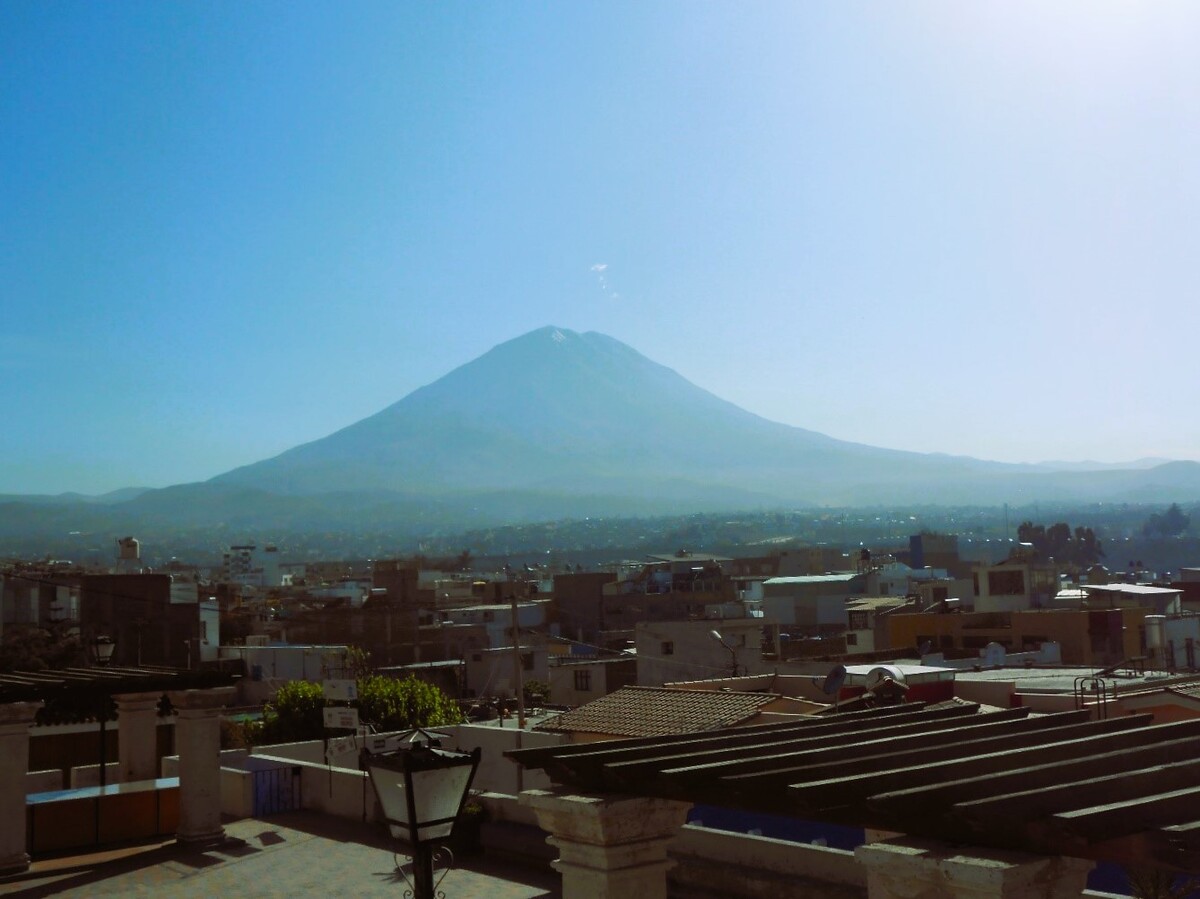
Arecipa It is Peru's white city because its oldest buildings are built of white or pink volcanic stone – silica. Much of the city has been destroyed and rebuilt after earthquakes. This is a typical colonial city, surrounded by majestic mountains. Andy. It is located at an altitude of 2335 meters above sea level.
I was lucky to be able to explore it on a beautiful sunny day. Hiding at the foot of the volcano El Mysti, At an altitude of 5,822 meters, I saw a thin cloud „breathing“ towards the sky... The volcano is active and is being monitored by Peruvian specialists. The local residents are aware of the risk and have contingency plans in place in case of danger.
Arecipa was founded on August 15, 1540 by the Spanish conquistador Garcia Manuel de Carabahl, sent by Francisco Pizarro. Previously, the fertile valley was inhabited by various local communities, and later it was incorporated into the Inca Empire. The city is also known as the birthplace of the writer. Mario Vargas Losa, winner of the Nobel Prize in Literature in 2010.
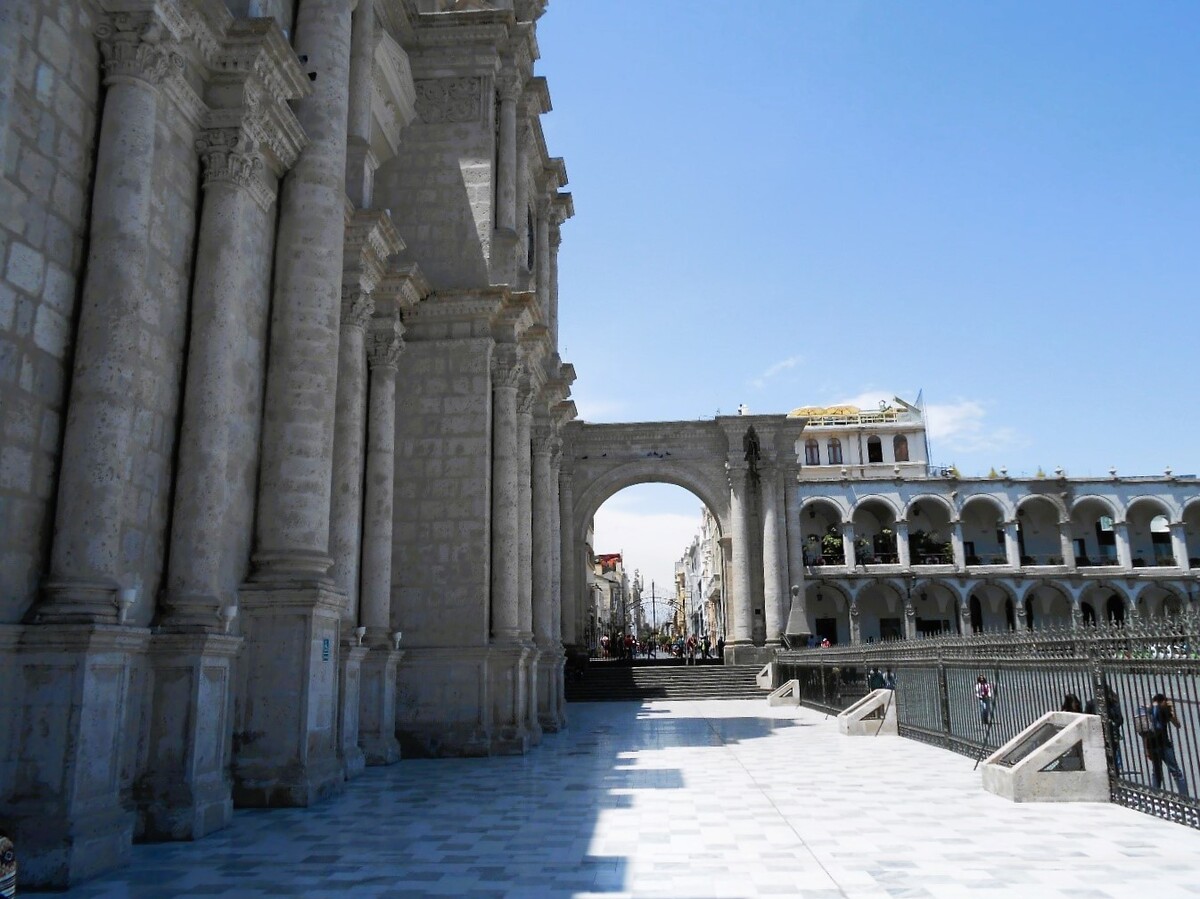
Arecipa has a classic Spanish urban planning – the streets are straight, and the neighborhoods form regular squares and rectangles. The historical center was included in the UNESCO World Heritage List in 2000. The white and pink volcanic stone, the arcades, the churches, and the spacious squares create the characteristic appearance of the city.
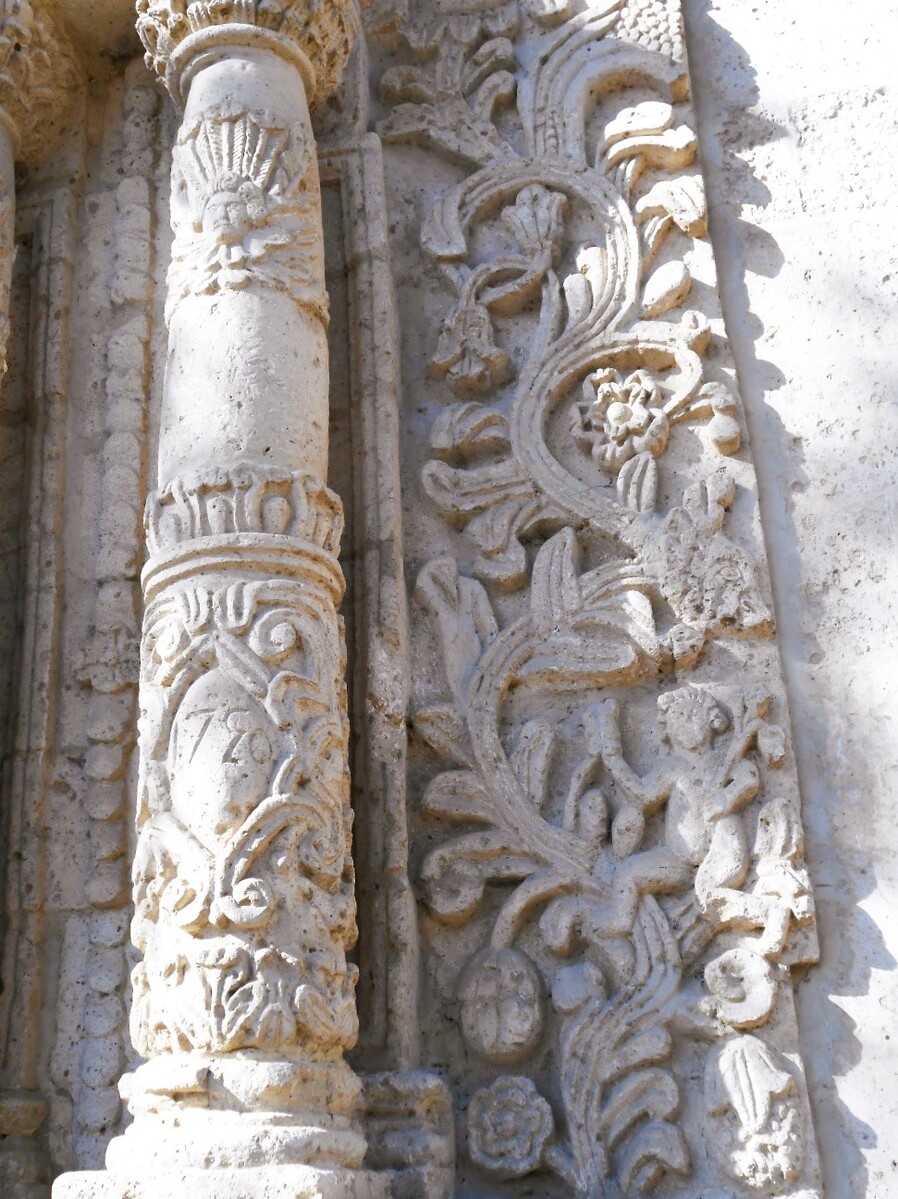
The first stop is the old neighborhood Yanauara, and then – the mandatory square „Plaza de Armas“, framed by beautiful buildings with spacious galleries under them. A magnificent cathedral, greenery and a fountain. The Baroque architecture of the cathedral – an ambitious creation that, according to the story, was supposed to extend over an entire neighborhood, but the money didn’t arrive – is skillfully combined with stone floral motifs and elements from Peruvian folklore and beliefs. Here, European Baroque meets local tradition and what results is something completely different.
Juanaita – the ice maiden of the Incas
Here is the Huayanta museum – the „Ice Maiden“. In fact, this is the preserved ice body of a young girl, sacrificed by the Incas about five centuries ago. Huayanta was discovered high in the Andes, on the Ampato volcano. It is associated with the ritual capaccocha – one of the most important religious ceremonies of the Incas, in which sacrifices were made, including children, in the name of the gods and the well-being of the empire.
The cold and the ice have preserved her body in an extraordinary way. It is one of those places where history suddenly ceases to be just history. You stand in front of a human being and realize how different and sometimes cruel the beliefs of ancient civilizations were.
The culinary temptation of the Zig Zag restaurant„
And the Zig Zag restaurant too! To get into this culinary temptation, you need to make a reservation at least a few days in advance.
According to our leader Maria Sirakova This is the best place in Peru where it is good to try alpaca and many other delicacies typical of this culinary area.
Everything is presented in an original way – on a tray made of volcanic stone, aesthetically pleasing, with a twist and incredibly delicious.
„Zig Zag“ has its own culinary philosophy called Alpandina Gastronomy. It combines the traditions of Alpine cuisine with the products and flavors of the Peruvian coast, the Andes, and the Amazon.
One of the major attractions are the meats and fish that are served on a hot volcanic stone and continue to be cooked in front of the guests' eyes. Thus, lunch or dinner becomes a small culinary performance as well.
The Peruvian cuisine deserves special attention. The food and drinks in Peru are so diverse and interesting that I will dedicate a separate travelogue to them.
There is much to be told, and even more – what to try!
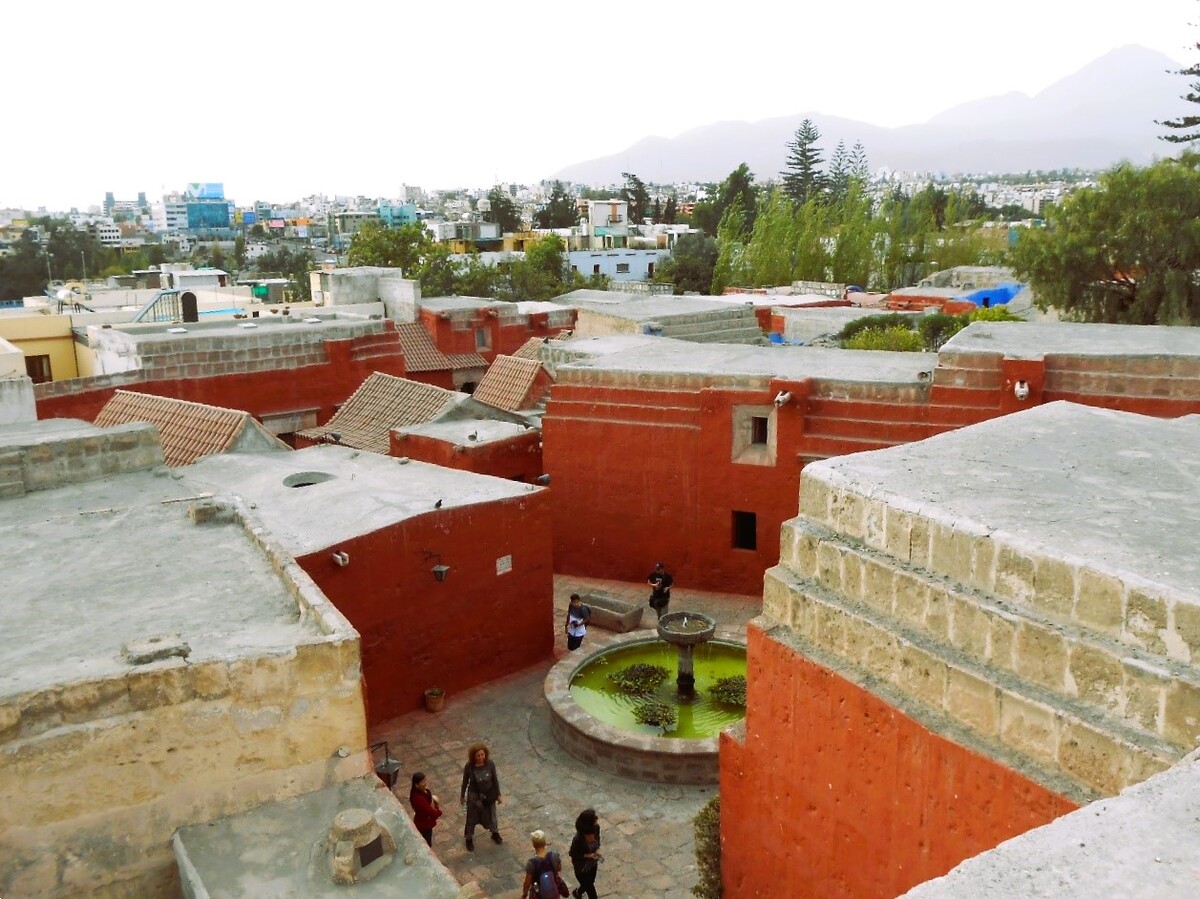
The Monastery of Santa Catalina – a town within a city
We are already satisfied and happy to visit The Devic Monastery of Santa Catalina„…
An impressive place!
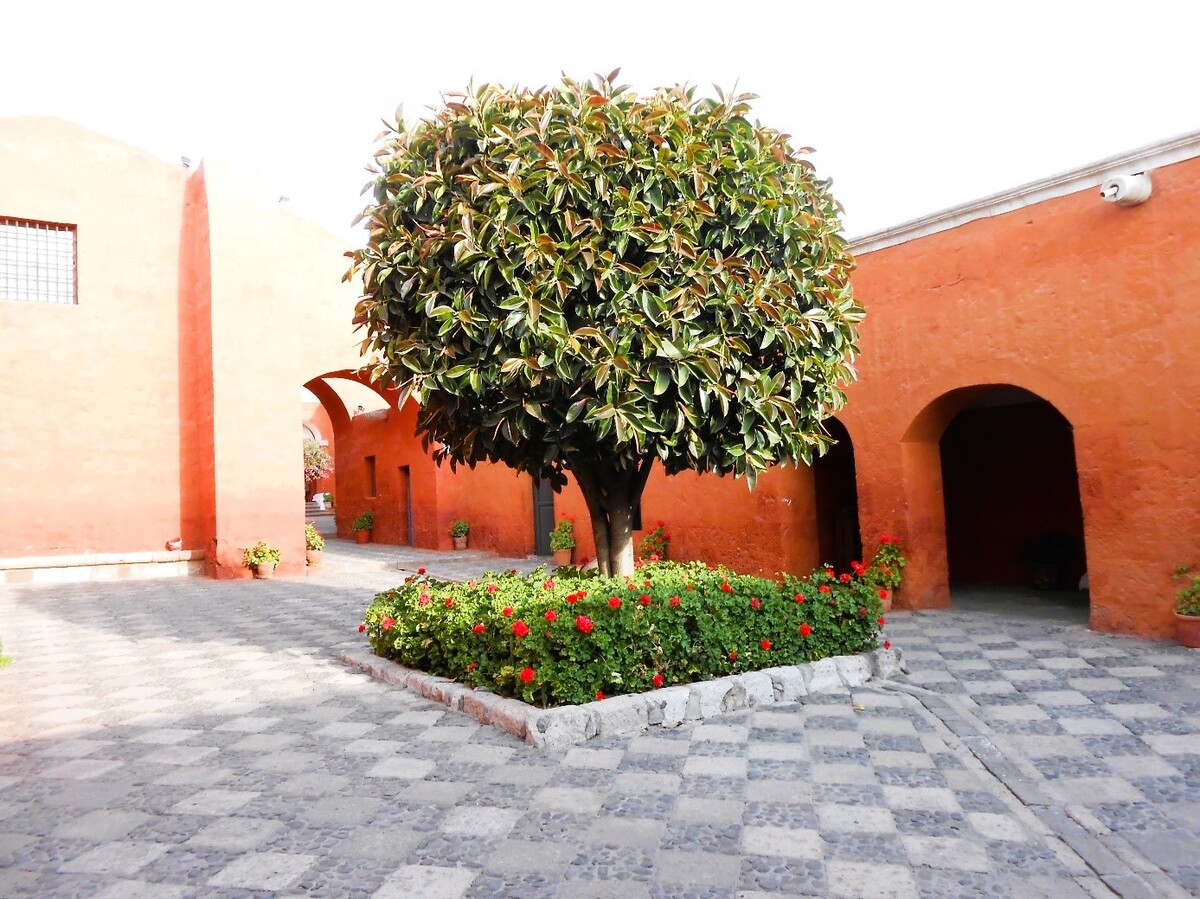
Literally a city within a city, located on an area of about 20,000 square meters, with its own square and six streets, houses, shops and a residential part where nuns continue to live and work. The experience is alternative – narrow streets, cobblestones. Everything in red.
Founded in 1579, the monastery was intended primarily for the daughters of wealthy families who chose a religious life. Some of them had their own rooms, servants and a kitchen. Their lives were strictly limited by the monastery rules and separate from the outside world. Silence, tranquility and beauty surrounded them from every side…
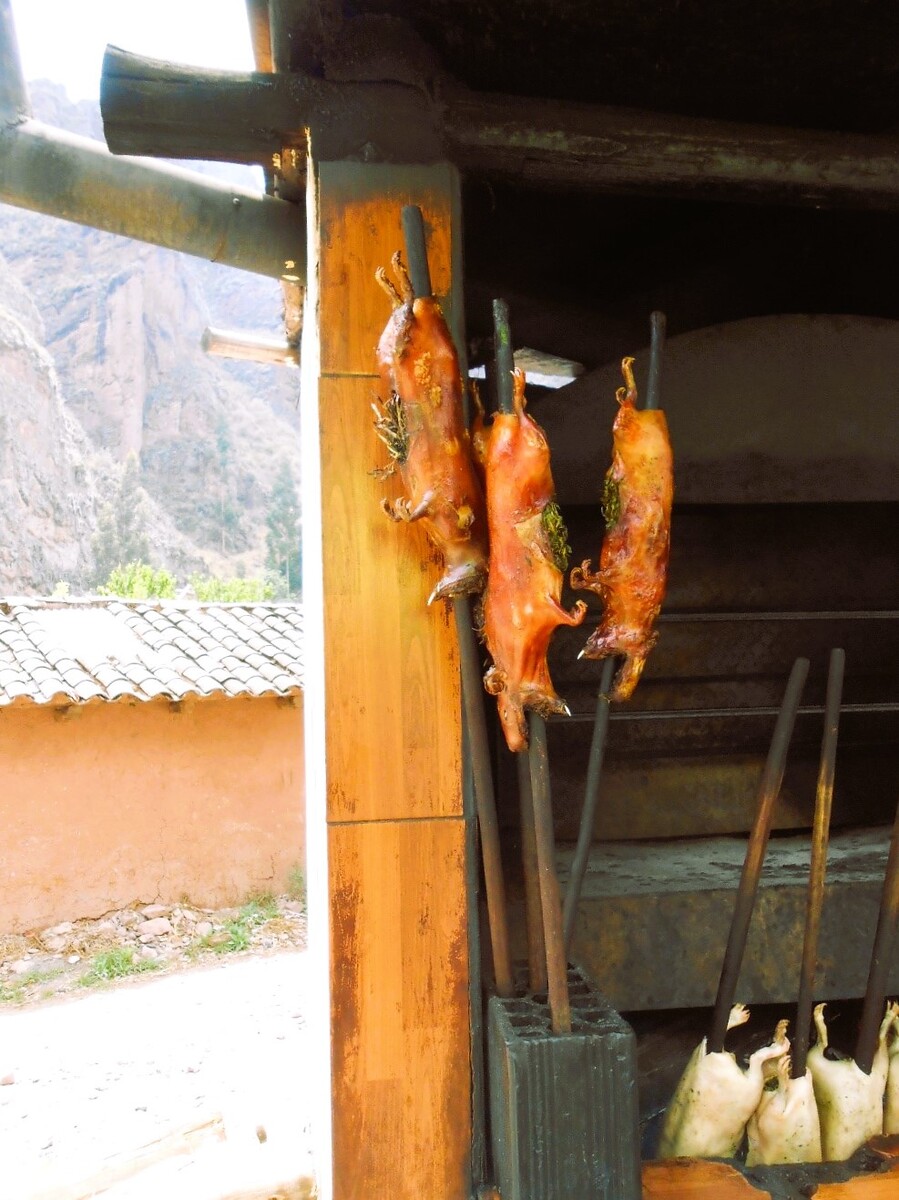
And here we have cells with guinea pigs! Maybe it's time to say that these are the Peruvian delicacy. They are eaten on holidays and on special occasions. In this form.
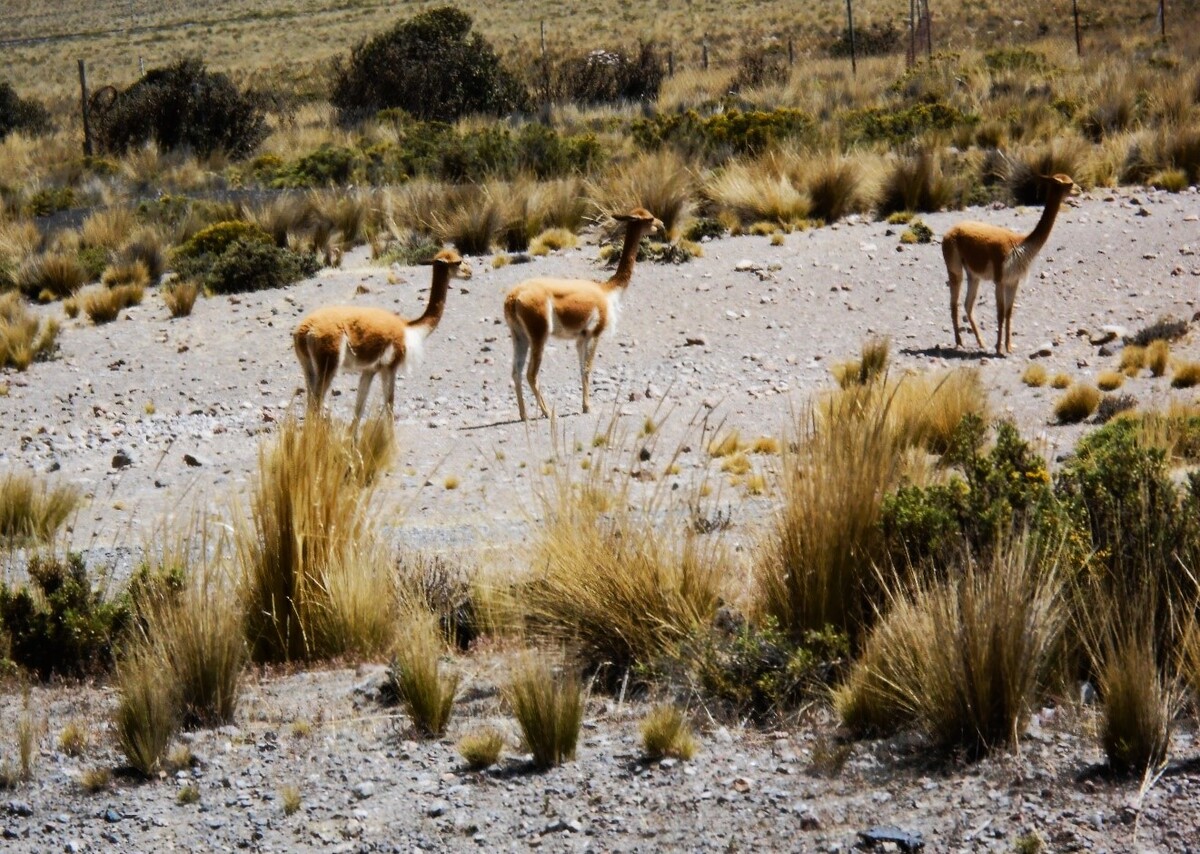
Alpaca and vicuña – the treasures of the Andes
We end the day with a visit to a alpaca and vicuña textile factory. The graceful and beautiful animals we were lucky to see at an altitude of 4900 meters – free and independent… The factory provides food for the local women to make traditional textiles. The products are magnificent: with beautiful national ornaments, impossibly soft, airy, gentle. Part of the proceeds from each purchase goes to the community.
In the name of beauty and to support the local economy, we buy wonderful products. Just to note that handmade products made from vicuña can reach astronomical prices on the world fashion markets… This is one of the most expensive natural fibers in the world! There’s a reason for that. Vicuña is a wild South American camel species, and its fiber is extremely fine and valuable. Its harvesting is strictly regulated to protect the animals and their populations.
The city is beautiful even at night, lit up by lights. But once you leave the historical center, the contrasts haunt you with trash, old or half-built buildings, and noisy traffic like in Latin America…
Hulica – the other side of Peru
Traveling through the High Andes and the vast plateau, whose pass is at 4,920 meters, we pass through city – Huilaka Street. It is also the economic and commercial center of the region, with an airport, while Puno It is the administrative center.
Our group is exhausted from the altitude and sleeps. I look out the window at the falling dusk and struggle to stay awake… There is endless poverty around me: uniformed children are coming home, there are mothers with babies,
shops – more like bazaars. The only paved, apparently central street is insane traffic. And I think: hopefully the bus doesn’t break down and we don’t have to stop…
An endless street, a city getting increasingly poorer and dirtier. We get onto a highway where there are tons of trash, stray dogs, and miserable one-story unfinished houses.
We passed through Huilacaco on the way. Honestly, the view didn't exactly appeal to me. Poverty, dirt, trash, unfinished houses, stray dogs, and crazy traffic. All I could think was: let's hope the bus doesn't break down and we don't have to stop right here! We had been warned beforehand that the city has serious problems with drug trafficking and that in the past it was an important transit point for illegal drug trafficking. Whether things have improved by now, we couldn't tell. We were just passing through it and continuing towards Puno.
Yes, that's the other side of Peru. The unpleasant one. Not the touristy one.
Puno – the city of folklore and Lake Titikaka
Finally we enter Puno, at about 3860 meters above sea level. The snow is melting and it is terribly cold. It seemed to me a gloomy and desolate city, with a small traditional square called „Armas“ and a long street with stalls. It is the starting point for Titicaca. But it turns out that there is a vibrant nightlife here and the city is one of the most important centers of Peruvian folklore. We have the opportunity to witness this live at a special attraction venue: beautiful costumes – between kitsch and folklore, lavish, colorful, and lively dancers, and wonderful music with folk instruments of the Andes.
It turns out that in addition to Brazil and Peru, there is also a great contribution and tradition in the carnival. Especially famous is The festival of Our Lady of Candelaria, The festival takes place in Puno in February and involves thousands of dancers and musicians; the traditions of the local Quechua and Aymara peoples blend with Catholic customs.
In 2014, the festival was included in the UNESCO list of intangible cultural heritage.
And the lake TiticacaIt is one of the highest-altitude floating lakes in the world – at about 3,810 meters above sea level. For the local people, it is not just a body of water, but a sacred place associated with legends about the origin of the world and the Inca empire.
Ika and Waucanina – the oasis in the middle of the desert
The city of Ica is only 406 meters above sea level, in the southwestern part of Peru, about 300 km from Lima. It is located in the desert plateau and was founded in 1563. It seemed huge to me, and there are about 200 thousand people here. Its traffic is rather crazy: taxis and tricycles – a typical Latin American gimmick: two more wheels and a roof were added to the motor; there are cars, pedestrians, school minibuses, motorcycles and scooters. And despite the madness of the traffic, no one bumps into anyone. It is just a transit route to get to Uacacina – literally an oasis in the middle of the desert.
Several huge dunes press against a small lake, surrounded by lush greenery and three or four streets.
Wacachina, an oasis in the desert of southern Peru, far from all tourist places, turns out to be one of the best destinations for sand skiing and surfing. The dunes around it are huge and stretch as far as the eye can see. The steep slopes, which are extremely picturesque, are ideal for sand sports. Well, ready for adrenaline and equipped with scarves, we set out on the challenge. On the buggies, strapped with harnesses, we speed through the sand dunes. I have been to the Sahara and the Red Desert of the Arabian Peninsula, but here the sand is light yellow, almost white, very soft, fine, and even fluffy, and the mountains are huge. A real challenge for surfers.
After the adrenaline rush, I am happy to contemplate the sunset.
Without words.
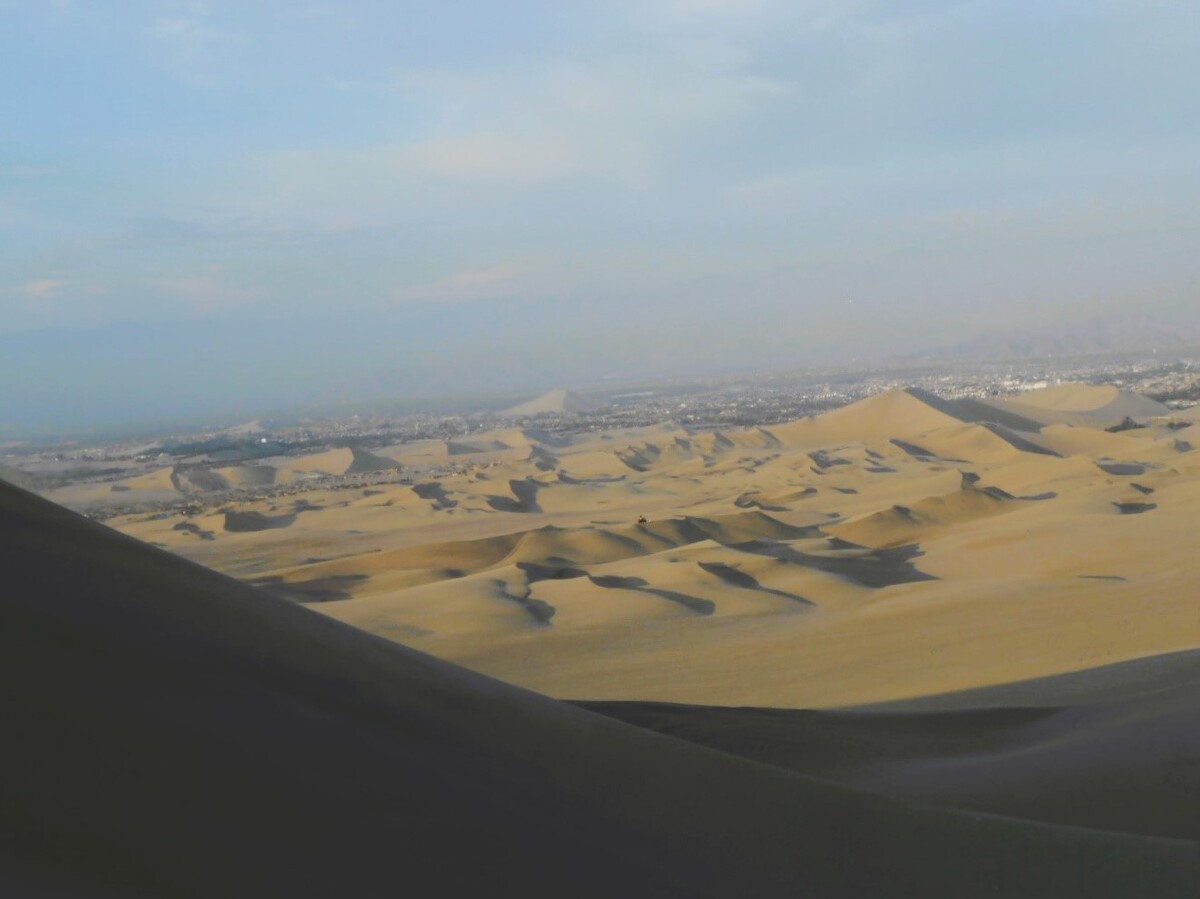
Huacachina It is known as a natural oasis in the desert, and the dunes around it are among the most popular places in South America for sandboarding and buggy rides.
The lake and the greenery in the middle of the sandy landscape create an almost unreal sight.
Here you can enjoy photos from the desert – Huacachina: The oasis in the middle of the desert.
Peru – a dream that leaves a mark
„The cities of Peru“ are just the beginning of my travelogues, sloppy photos and tourist revelations about Peru. I’ll leave the Amazon jungle for a future intellectual venture…
It happened and here are the parts:
Peru and the Amazon Jungle: An Adventure in Puerto Maldonado, Part One
Eco-village of the Amazonian paradise
И Bulgarian Conquistadors in the Amazon: an expedition to Lake Sandoval
In my soul remains an unforgettable memory of a wonderful country with turmoil, contradictions, a difficult life for two-thirds of the people, diverse and different, but with hearts and pride. With unique nature, ancient culture, a different world – full of challenges and surprises.
A realized dream and a dream come true.
Until the next meeting, patient reader!
See more about the author Maria Radeva here.