Art and money in Bulgaria
She is posed, only one of her legs is slightly bent in the pink knee; her oval face is tilted to the right, as if slightly embarrassed by her own radiant nakedness.
This unnatural posture, the impossibly long graceful neck, and the unusually abundant dark-haired hair make her an ordinary portrait into a symbol of a magnificent young woman.
Saint as a jewel above the mire in which she was born. She shivers at the touch of the wind or at the realization of her newly born femininity, gentle and strong, innocent and sensual, modest and majestic.
Venus on Botticelli – one of the most famous images of female beauty in Europe Renaissance art.
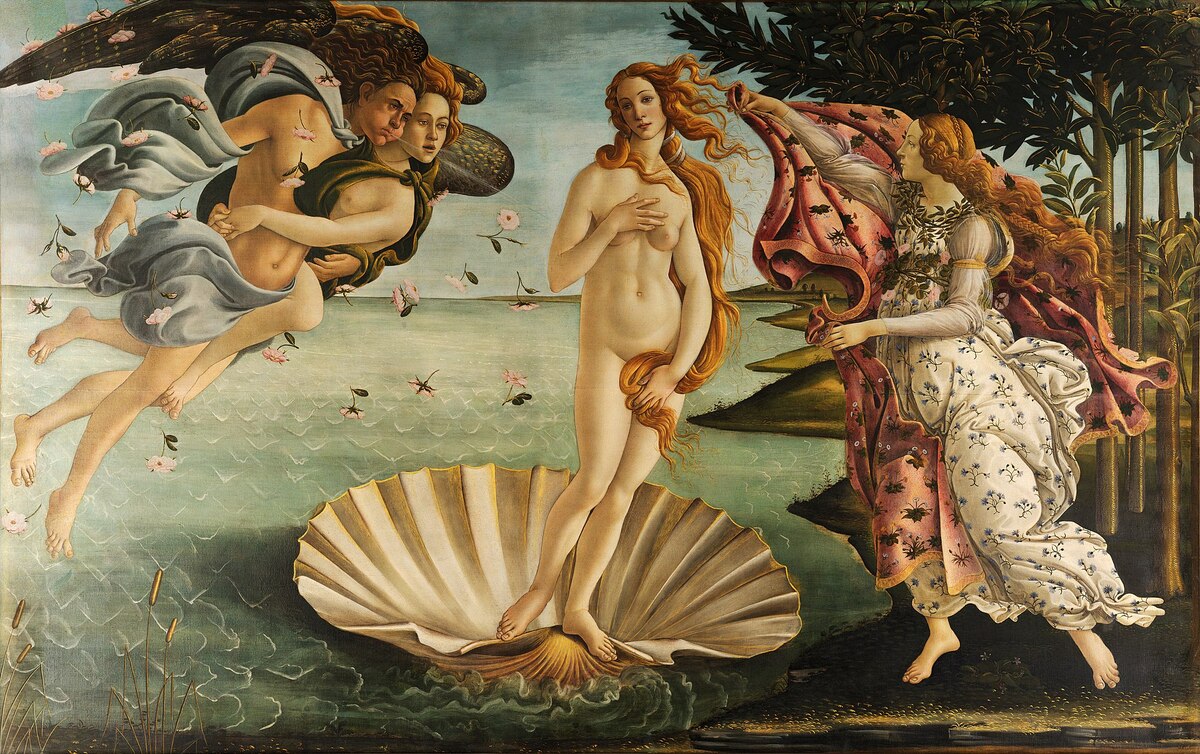
The patrons and the birth of art
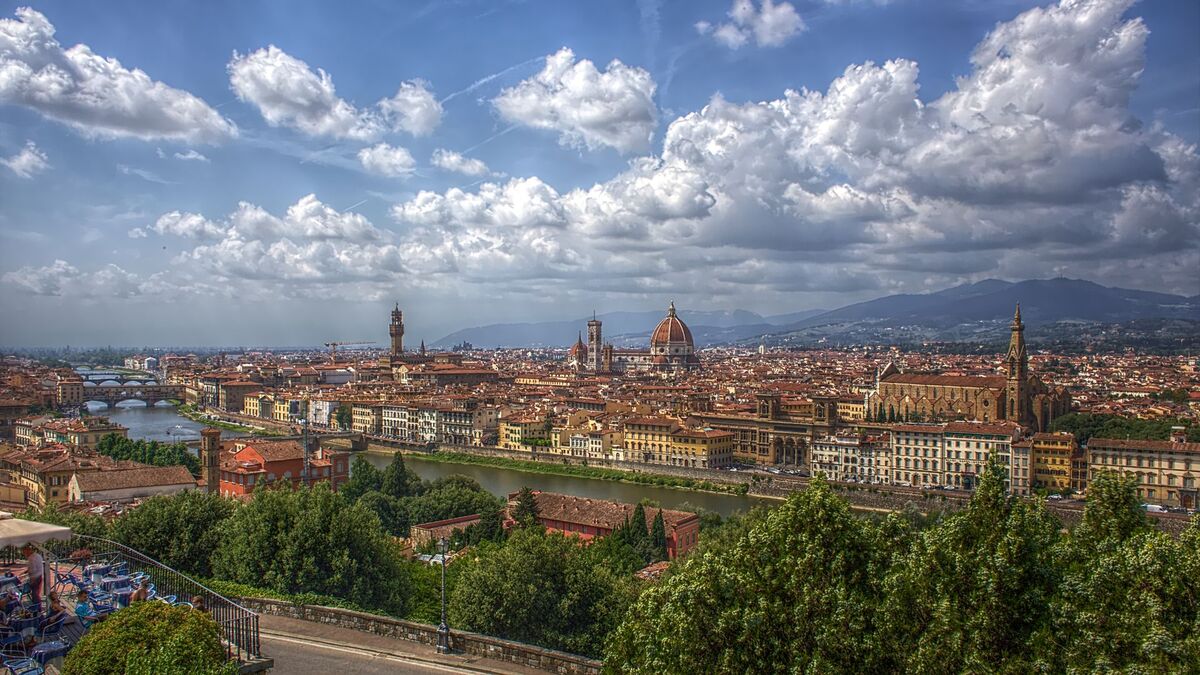
This painting, like almost all the other masterpieces in the museum Ufici in Florence, It would not exist without the family's conscious philanthropic instinct. Medici. Bankers and politicians, they created and supported this material environment that gave birth to the Italian Renaissance and thus left their clear mark on the development of European civilization.
However, Bulgarian art, unlike European art, rarely found its patrons.
The history of Bulgarian philanthropy is probably written, but very little has been read.
Most of us are happy to remember the role of the Georgiev brothers for the construction of Sofia University And often this is quite enough for us. The reason probably lies in some characteristic of the Bulgarian character that makes it suspicious and even hateful of wealthy people, inclined to interpret primarily the unpleasant aspects of accumulating their capital, rather than to appreciate their contribution to the development of society.
This is not the place to discuss the various historical circumstances that explain this attitude of the rich man towards the poor. But we must note, unfortunately, that even when he gives away part of his wealth, it is often perceived with a careless shrug of the shoulders. What’s the big deal, he had it, he gave it…
It seems that most of the Bulgarian philanthropists were right in believing that education is the most important and most urgent issue for our society, and accordingly they donated funds to schools and universities.
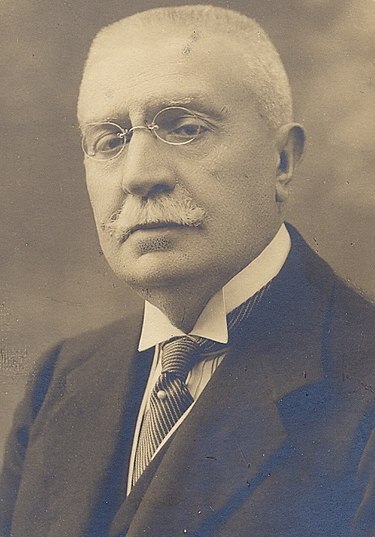
Ivan Geshov – wealth as a public responsibility
A striking example is Ivan Geshov, Actually, one of the few significant patrons in the history of modern Bulgaria, who has primarily supported the education of many Bulgarian youth and the development of domestic science.
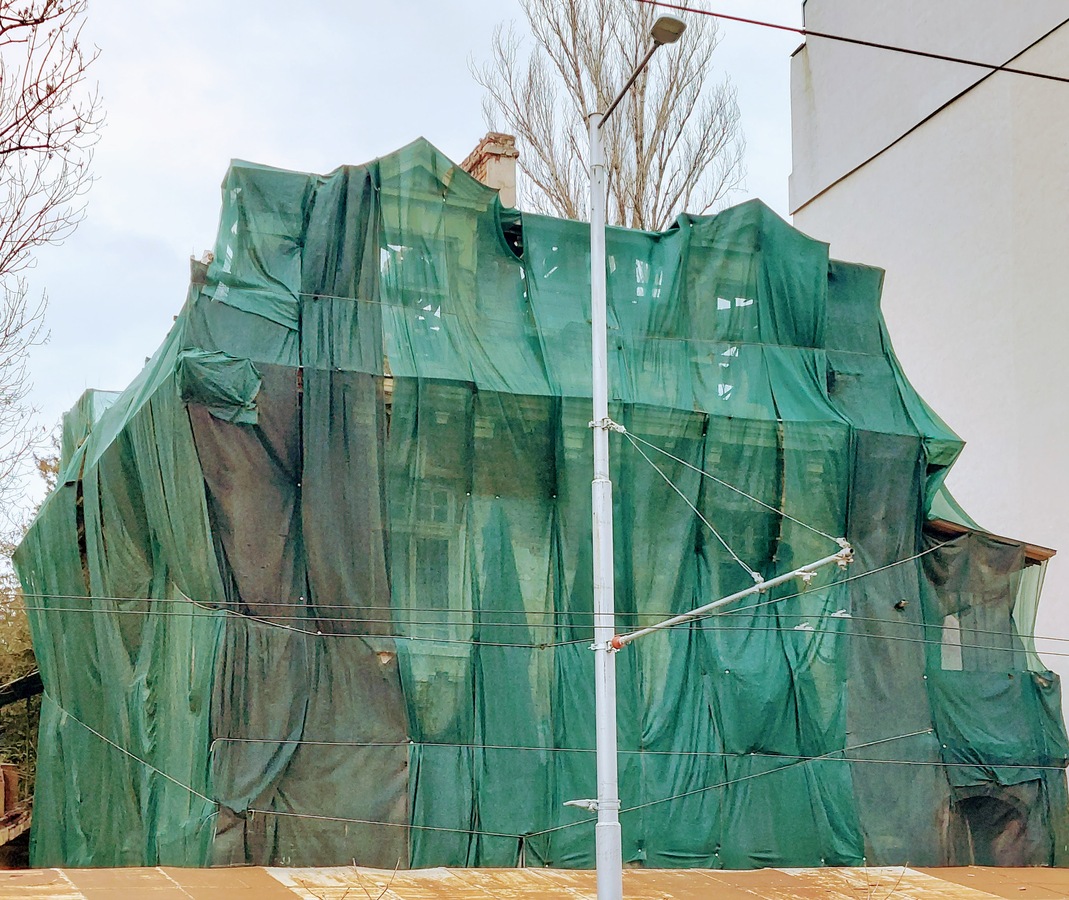
Most of us associate his name with the ill-famed house on Patriarch Evtimiy Boulevard, long uninhabited and almost dilapidated, with an unclear status and the unfortunate fate of a case that institutions are afraid to mention out of fear of accidentally damaging the interest of the mysterious owners. Others remember his contribution to the Bulgarian Academy of Sciences and his significant donations for its construction and functioning.
The great Geshov family, merchants, bankers and diplomats, originates from Karlovo. The founder Ivan Geshov /1770–1842/ He has four sons who opened commercial houses in Plovdiv and later in Constantinople, Vienna and Manchester, and participated in both the economic and the church and educational development of Bulgaria.
Almost like the Medicis in Florence, the Geshovis in Bulgaria are a family with power, money, connections, and a sense of where society is headed. But while the Medicis are fascinated by art, the Geshovis are primarily interested in education and science.
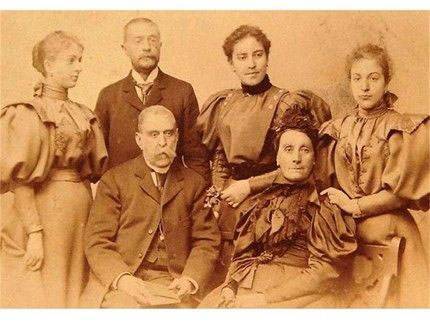
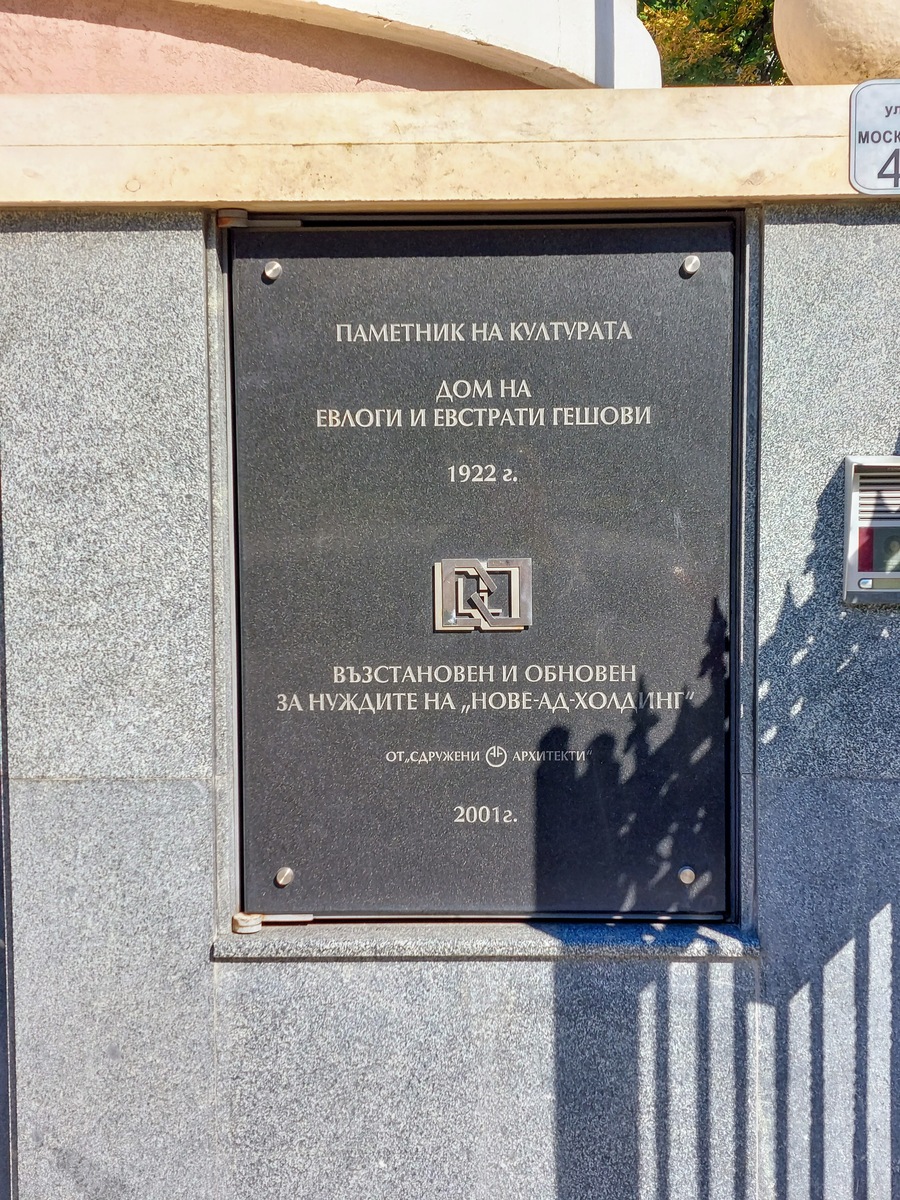
Geshov's house and the „dome with birds“
The streets of Sofia remember the tapping of their wooden clogs, the rustle of their wives' long, expensive dresses, the tinkling voices of their neat children, and the unruffled western wind has often waved the elegant bombes and feather hats. One of these streets, which has preserved the memory of Evstati and Evlogi Geshovs, is Moscow Street, where one of the houses of the great family is located.
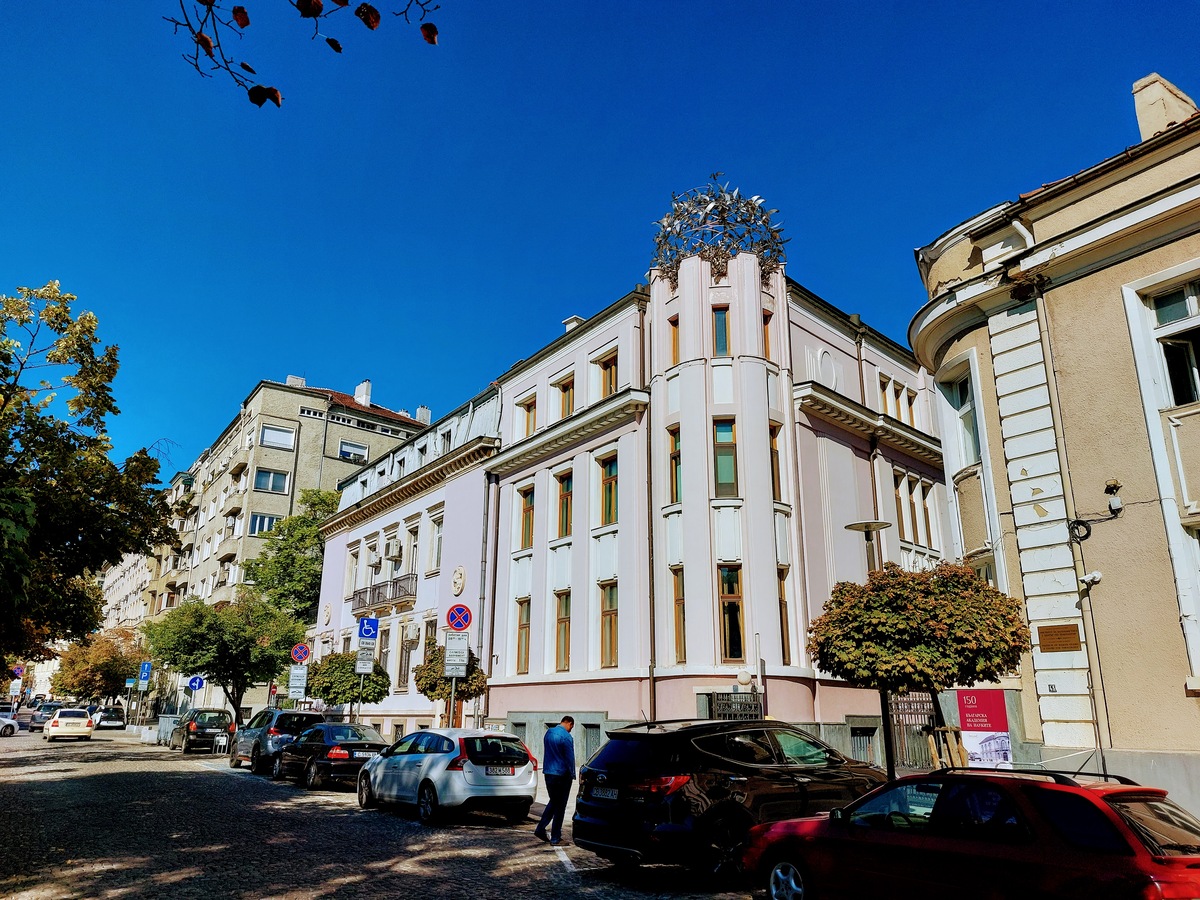
When we turn off the street „Rakovski“ towards the monument to Vasil Levski and we set off „Moscow“, After a few hundred meters, we will notice a building painted in a hard to define pink-purple color. As if some designer had dreamed of lilac flowers or simply the painter had overdone the shade of the facade paint. However, the most interesting part is yet to come.
On the house, at its high corner, a new silver dome has landed, built from intertwined branches and leaves. For those not drawn to the history of art, it probably symbolizes either a nest of strange birds or an expensive Christmas decoration, an unchanging and beloved cliché that each of us attaches to the Christmas tree at the end of the year.
In fact, the sphere has its much more sophisticated message. It is a smaller, more modest and less obvious replica of the dome of the Secession House in Vienna. In my opinion, this is not just a wink at the influence that Viennese architecture exerted on the construction of buildings in Sofia in the first decades of the last century. It is a claim for something more.
The house of Evlogi and Evstati Geshov is not just restored; a new element has been added to it that makes us think about who and why wanted to emphasize their connection with the most advanced art renovation movement of its time, a movement that powerfully and unconditionally influenced the development of civilization in Central Europe.
Vassil Bozhkov – the collector
I am sure that years from now, from the historical distance of time, quite a few pages will be written about his controversial personality and his role in the so-called transition since the 90s. I am not interested in his business dealings or his political leanings. I don't know how, why, and to what extent his activity is part of the visible and invisible in our country. The only thing that interests me is his well-known passion for collecting art objects.
I often wonder what the motives of a wealthy person are to immerse themselves so deeply in the wonderful world of statues and paintings, of exquisite artifacts and elaborately decorated objects, that they start collecting them. Year after year, canvas after canvas, much more than they could have put in their home. Undoubtedly, everyone wants to live surrounded by beautiful things. Not to mention that art has always been a successful investment. But here, in my opinion, it’s about something more. About dedication, about obsession with beauty and its power to change the world.
Cosimo de' Medici and the price of wealth
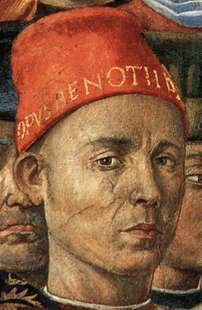
Let's imagine for a moment what could be happening in the soul of Cosimo de' Medici.
Cosimo de' Medici was deeply religious, like most people in Europe at that time. During the day, he dealt with the complex, secretive, and not always honest affairs of the family's financial empire. In the evening, he often entertained his guests, prominent Florentine citizens, politicians, and a few friends. He preferred to listen and gather information and gossip about what was happening in the city and in Rome. He rarely took a break and would just try to enjoy the dinner, amidst the aroma of wine and delicious food, between the songs of the musicians; behind the eyes of the beautiful ladies, he glimpsed fear.
What would come next, Kozimo thought.
He believed that beyond it awaits a judgment. He will impartially judge the good and the bad, the right actions and the wrong ones, the devil and the angel in his soul. Then he will grant a reward or retribution.
Only 15 more years, Kozim thought, while the others around him were having fun, or even five. Or maybe tomorrow.
Tonight.
Then he would go into his room, filled with the abundant food, drink, and carelessly lit a cigarette among the wives of his guests. He would sit on the bed and open the Bible. He would read day after day, night after night, searching for some rich man mentioned in the New Testament with good words.
There was no such one. Only the three wise men were found, those who brought gifts and worshiped the newborn Jesus.
Charity was the only redemption for wealth, he decided then. To help the poor, to protect the orphan, to support the widow – that was known. But how could you give to God? Through his church, certainly. But that was again very human, too matter-of-fact, not to mention that Cosimo knew very well what the bishops did with the donations.
You can only give God something equal to him.
Beauty
The fresco by Benozzo Gozzi
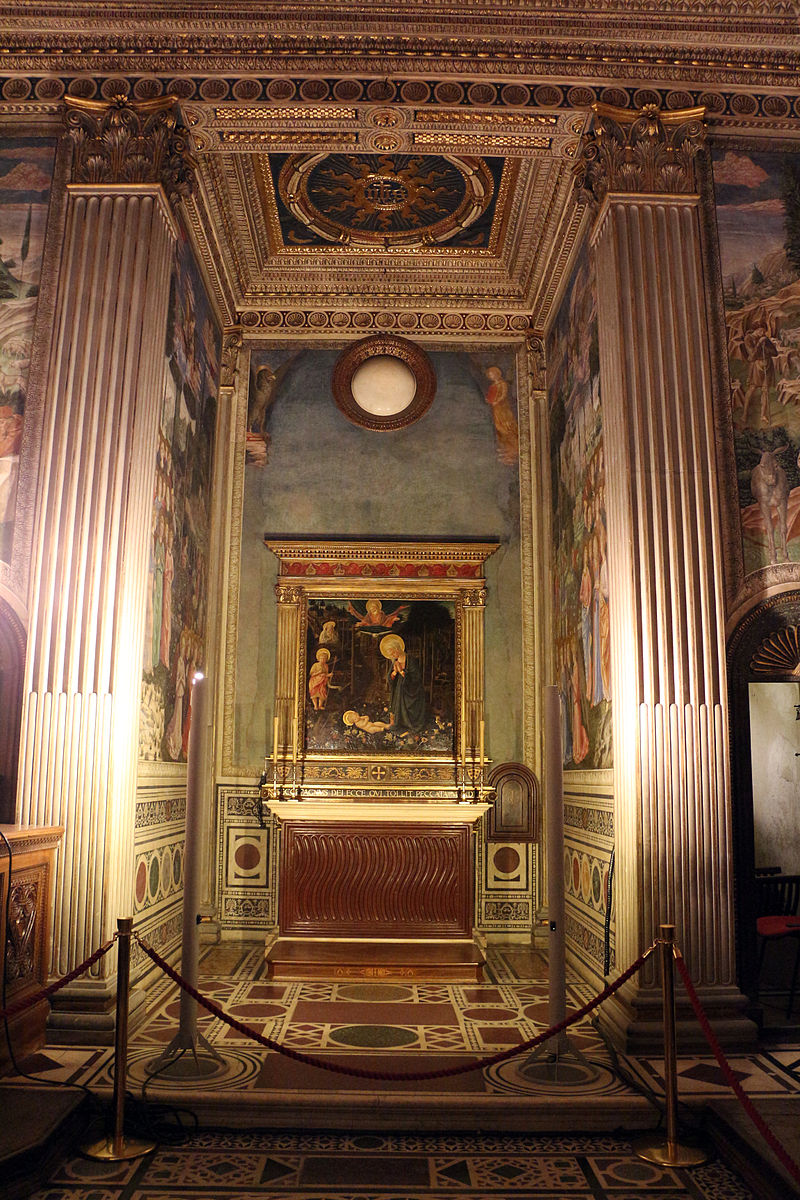
After a year Cosimo He stood in front of the magnificent fresco by Benozzo Gozzoli depicting the procession of the Magi /in Italian magi/. Finally, the fresco in the private chapel of the family in their palace was completed.
His son Piero He had already commissioned the famous Gotsoli to depict the arrival of these astrologers, philosophers, merchants, or rulers, according to the various interpretations of the Gospel of Matthew.
Cosimo never realized that there was nothing evangelical in this fresco. The landscape was Tuscan, despite the palm tree in the center and the sugar-white rocks. The soft curves of the hills, pierced by the trunks of tall green trees, the deer, the flying swallow, the building at the end of the road – all this was Italy, not the Middle East. The procession was also composed of members of the family and other prominent Florentine citizens, dressed lavishly and according to the fashions of the time, as if they had not crossed the desert but were out for a walk in the surroundings of the city.
Cosimo naively believed that his figure, riding a donkey instead of the exquisite white horses for his son and grandson, expressed enough humility before God. All this was for the glory of divine power, he thought. Not only this fresco, but also all the churches built and decorated, the countless paintings and sculptures commissioned by the family of the greatest Italian artists.
He got down on his knees and crossed his arms in prayer.
„I give you the best – he said. – What will remain after centuries. The quintessence of the human spirit, the most imperishable that can exist. Beauty, oh God. Accept this gift and save my soul.“
Wealth, art and hope
It is probably very naive to think that the motives of Cosimo de' Medici and his family correspond to reality. It is even more naive to compare the Florentine patrons with a Bulgarian. To imagine that people like Vasil Bozhkov are seeking the path of an elevated pilgrimage to the divine and the beautiful is very tempting. But I would very much like it if that were the case.
To believe that these clever, enterprising and often cruel men collect works of art not only to demonstrate their own wealth. And to order exquisite houses with silver domes on top not only because of their vanity. Perhaps sometimes at night, like Cosimo de' Medici, they desperately want to pile one on top of another paintings, buildings and artifacts, to build a high staircase and reach God.
The Bulgarian Venere
I hope one day the wealthy people in Bulgaria will realize that the only wealthy individuals in the holy books are those who give gifts. To bow their heads, religious or not, and to share part of their financial power with their fellow citizens. And maybe even to support Bulgarian art.
Then the faces of the perfect Bulgarian Venere will shine in many galleries.
REFERENCES
Cosimo de' Medici
Cosimo de' Medici continued his father Giovanni di Bicci's work and transformed the Florentine Republic into an almost monarchical state, where his influence was decisive until his death in 1464.
Cosimo's heir was his son Piero, father of Lorenzo the Magnificent.
Medicine and Art
The family is the patron of Fra Angelico, Fra Filippo Lippi, Donatello, Verrocchio, Michelangelo, Sandro Botticelli, Benvenuto Cellini, Giorgio Vasari, Raphael and many other Italian artists.
The fresco „The Procession of the Magi“ in the chapel of the Medici-Riccardi Palace was commissioned by Piero di Medici to Benozzo Gozzoli and was completed in 1459.
Vasil Bozhkov's collection
Vasil Bozhkov's collection is presented as consisting of two main parts – an antique collection and a collection of paintings.
According to data published in 2020, the ancient collection includes nearly 3,000 artifacts, of which 212 were registered under the Cultural Heritage Act at that time.
The collection was presented in Sofia, Brussels and Moscow.
The second part is a collection of paintings presented in publications from the period as containing nearly 8,000 works, mostly by old Bulgarian masters.
The series contains: Sofia Crossroads
Next The streets „Moscow“ and „G.S. Rakovskiy“
If you missed it: Down along Vasil Levski Blvd.„
The story is original and interesting – The station and the love
See more about the author Darina Vankova here